
 简体中文
 Русский
 Français
 Português
 Español
 لالعربية

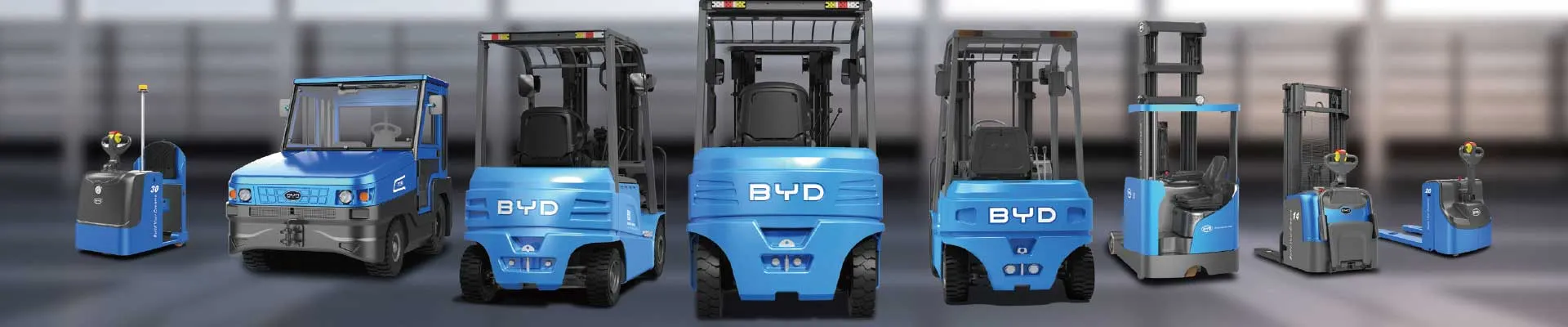
Against the backdrop of rapid expansion of Egypt’s logistics network, manufacturing zones and port warehousing sectors in recent years, stackers as core material handling equipment have seen steadily rising market demand. Most operation teams prioritize initial procurement cost when making purchasing decisions, but often overlook the cumulative expenditure across the whole service life of equipment, leading to underestimated long-term operation inputs.
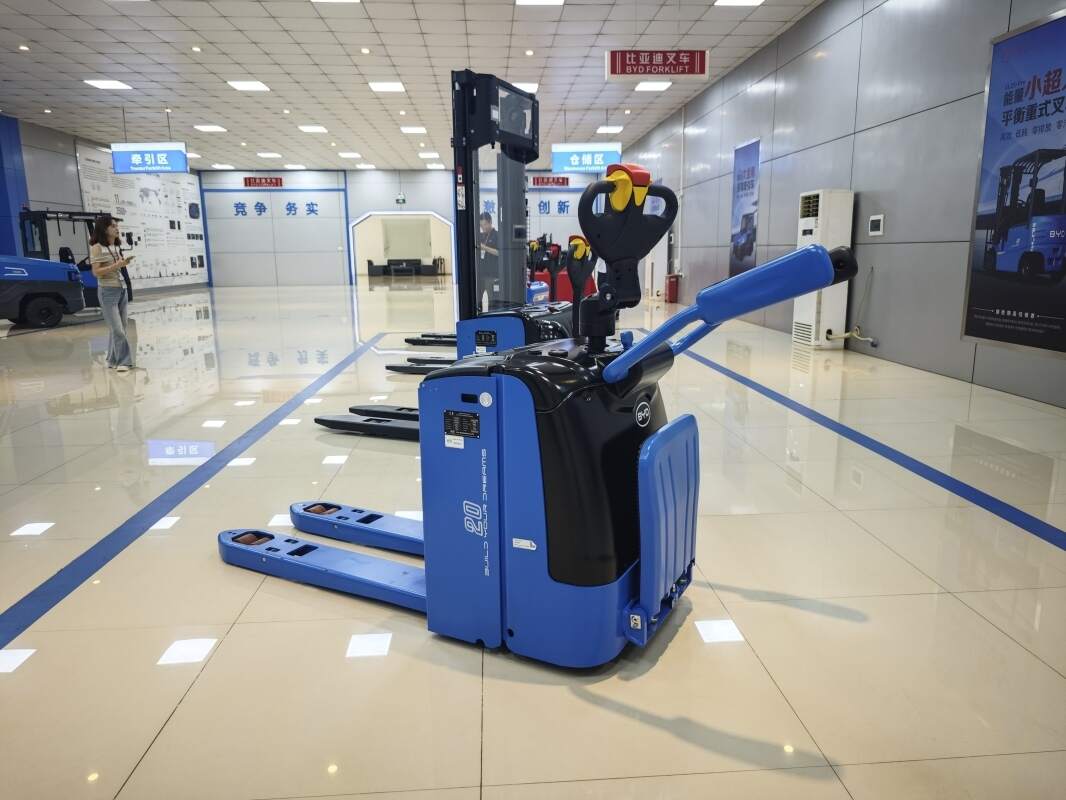
For upfront procurement cost, diesel stackers of the same load capacity level generally have a lower entry price compared with electric counterparts, which makes them a common choice for teams that try to compress early-stage investment. But when expanding the calculation dimension to the whole 3 to 5 year service cycle of the equipment, the cost gap will show obvious changes according to local operation data in Egypt.
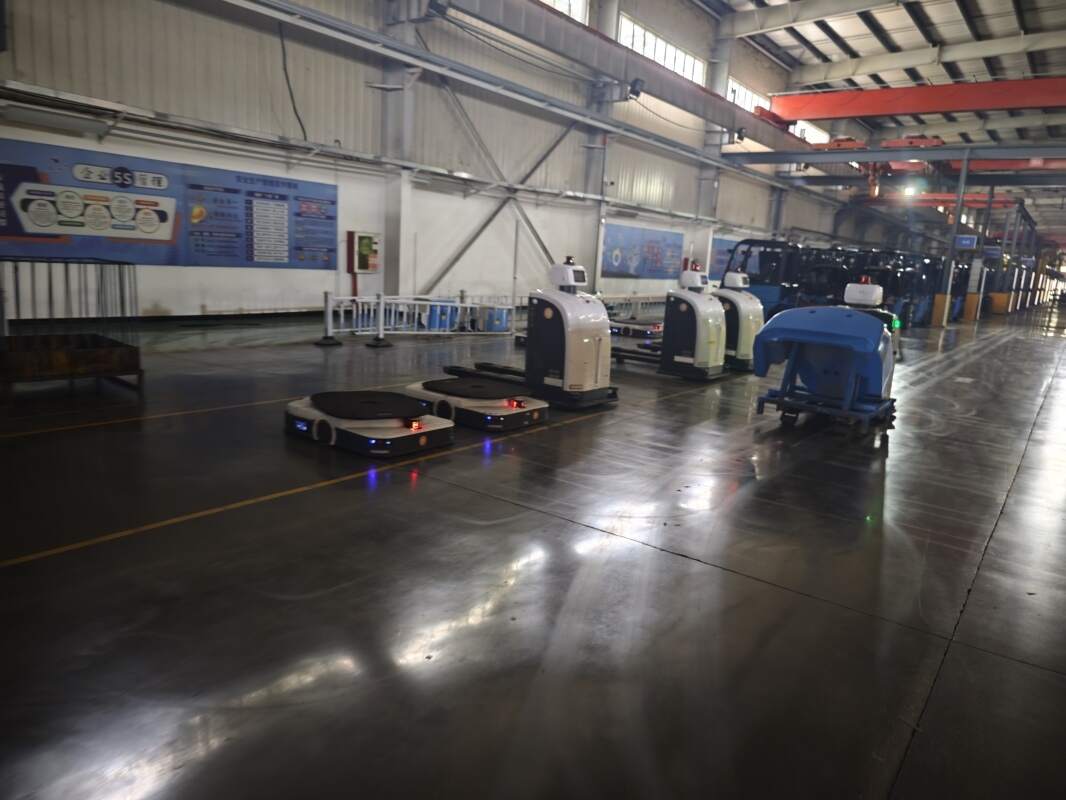
The first major difference comes from daily energy consumption cost. The local diesel price in Egypt has maintained relatively large fluctuation in recent years, and the hourly fuel consumption cost of a standard diesel stacker is 3 to 4 times the power consumption cost of an electric stacker operating under the same working condition. For operation scenarios with 8-hour daily working hours, the annual energy cost of diesel stackers can reach 3 to 5 times that of electric models.
Then comes the daily maintenance cost. Diesel stackers are equipped with internal combustion systems, which require regular replacement of engine oil, filter elements and other wearing parts, plus periodic inspection for emission related components. The annual maintenance expense of diesel stackers is more than twice that of electric stackers. Electric stackers have simplified structure without internal combustion related wearing parts, and daily work only includes routine inspection for battery and walking motors, which cuts down most labor and consumable cost for maintenance.
There are also hidden compliance costs to be noticed. Multiple major storage zones and port areas in Egypt have released non-road mobile machinery emission control rules in recent years, and high-emission diesel equipment may face access restriction and extra emission related fees in subsequent operation. Zero-emission electric stackers fully meet the latest local environmental protection requirements, with no extra cost for emission compliance. They also generate much lower operation noise, which fits better for closed warehousing, food and pharmaceutical handling scenarios, and indirectly reduces extra expenditure on occupational health protection for workers.
Calculated from the full life cycle dimension, the total comprehensive cost of electric stackers is 25% to 35% lower than that of same specification diesel stackers, showing prominent economic advantage for high-frequency application scenarios. As a professional provider focused on BYD electric forklifts, Jianxin New Energy can provide Egypt local clients with scenario-adapted electric stacker selection and full-cycle after-sales operation support. For detailed customized cost evaluation, you can send inquiry emails to [email protected] for further support.


