
 简体中文
简体中文 Русский
 Français
 Português
 Español
 لالعربية
.jpg "Daily Habits That Extend Forklift Battery Life and Cut Costs(figure1)")
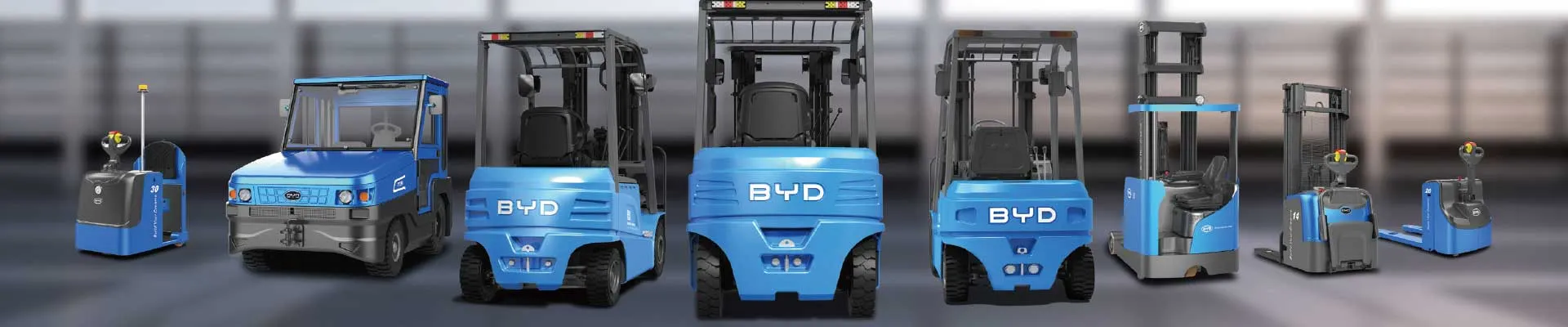
As the logistics and manufacturing sectors continue to prioritize low-carbon operation and comprehensive cost control, electric forklifts have become one of the most widely used material handling equipment in indoor and enclosed working environments. This practical guide shares industry-recognized operation and management tips to help relevant personnel use such equipment in proper and scientific ways.
Core Functional Advantages of Electric Forklifts
Compared with internal combustion counterparts, electric forklifts rely on power battery packs to provide power output, which produces no exhaust emissions during operation, making them suitable for closed spaces such as food processing workshops, pharmaceutical storage areas, and cold chain warehouses. Their overall noise level is significantly lower than that of fuel-powered models, which helps reduce long-term noise interference for on-site operators and creates a more comfortable working environment. The power output adjustment of most mainstream electric forklift models is smooth, which can effectively avoid sudden shifting of heavy goods during handling, reducing the risk of cargo damage in daily operations.
Routine Maintenance Points for Stable Long-term Operation
Regular daily inspection can effectively reduce the probability of unexpected equipment failure. Operators need to check the remaining power level before starting each shift, confirm that the tire surface has no obvious cracks or foreign object embedding, and test the normal performance of the braking system and lighting components. After the daily operation is completed, the equipment should be parked in the designated charging area, and the battery pack should be charged according to the standard process to avoid over-discharging, which will affect the overall service life of the battery. The dust and debris accumulated on the body surface and the heat dissipation structure should be cleaned regularly to prevent excessive dust accumulation from affecting the heat dissipation efficiency of the core electrical components.
Standard Operation Guidelines for Common Scenarios
Before carrying out handling operations, operators need to confirm that the weight of the loaded goods is within the rated load range of the equipment, and avoid lifting the goods to an excessive height during driving to keep the center of gravity of the whole vehicle stable. When turning in narrow aisles, operators should control the driving speed appropriately and pay attention to the surrounding passing personnel and stacked goods to avoid collision risks. For long-term idle equipment, the power supply should be cut off regularly, and the battery pack should be replenished with power at fixed intervals to keep the battery in a healthy working state.


