
 简体中文
简体中文 Русский
 Français
 Português
 Español
 لالعربية
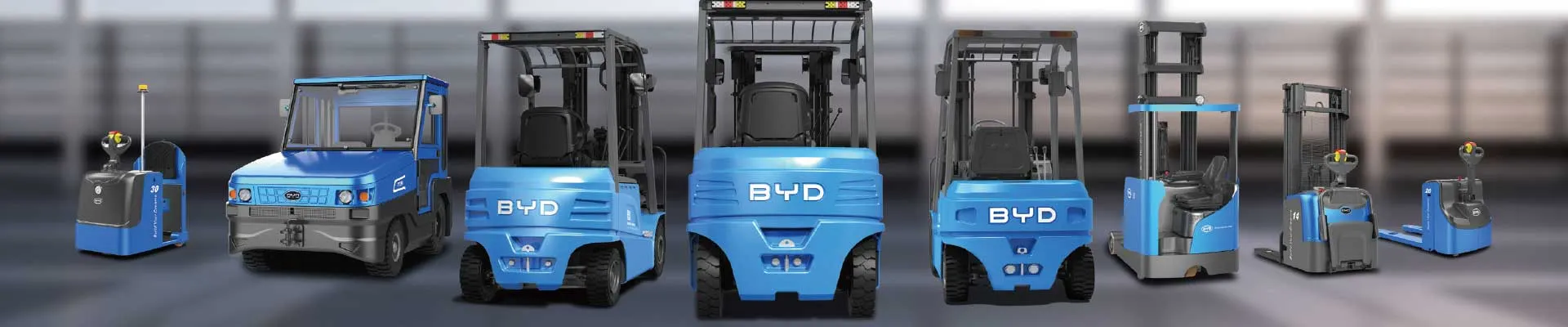
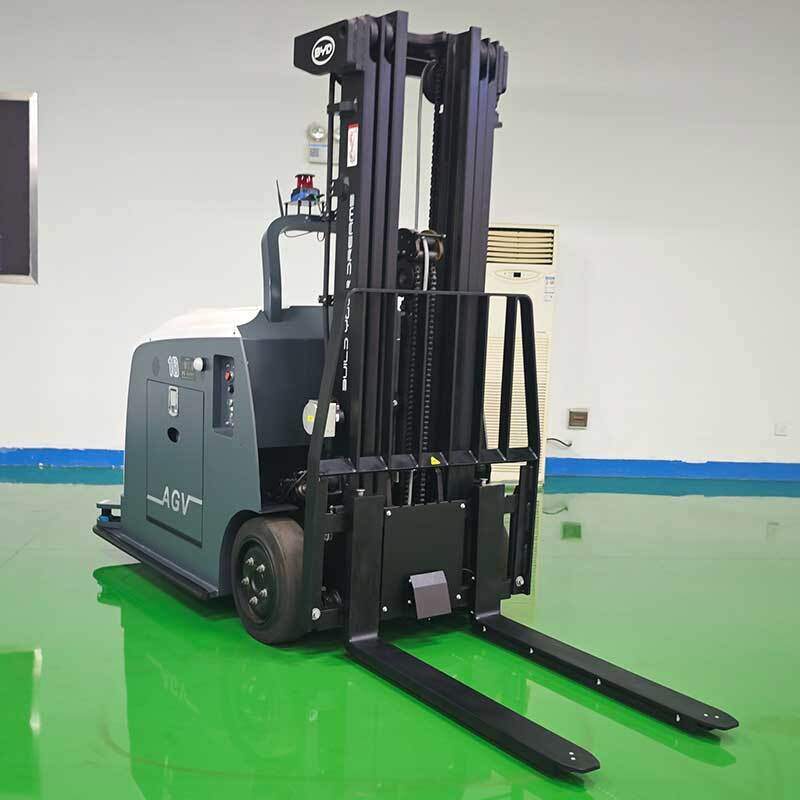
Against the background of accelerating low carbon transformation in industrial logistics, electric forklifts have become one of the most widely applied handling equipment in various warehousing, manufacturing and distribution scenarios. Many frontline operators and equipment managers still have room to further master proper usage methods to give full play to the inherent advantages of this type of equipment.
Basic Operational Standards for Routine Use
Before each formal shift, operators need to complete a 3 to 5 minute pre-inspection process, covering remaining power check, brake sensitivity test, hydraulic pipeline sealing confirmation and walking wheel status check. During the operation process, smooth acceleration and deceleration are recommended to avoid frequent sharp steering or sudden braking, which may cause extra wear to core components. Operators should also arrange the lifting and falling of goods according to rated load parameters, and avoid long time over-limit operation that may cause irreversible damage to the lifting structure. When the equipment is in idle state for more than 15 minutes, the operator can turn off the running system to reduce unnecessary power consumption.
Targeted Daily Maintenance Arrangements
The power system of electric forklift needs targeted regular care to extend its service life. Operators should avoid deep over-discharge of the battery pack, arrange timely charging after remaining power drops to the reasonable threshold, and avoid long time floating charging after the battery is fully filled. It is also necessary to regularly wipe the dust and accumulated liquid on the surface of the battery module, to keep the heat dissipation path unobstructed. For the walking and transmission structure, managers can arrange regular inspection of the tightness of each fastening component, and clear the sundries stuck in the gap of walking wheels on a regular basis, to reduce extra resistance during operation.
Scenario Matching Efficiency Optimization
For different application scenarios, users can adjust the usage mode of electric forklift to get better performance. In narrow aisle dense storage scenes, operators can adjust the running speed parameter within the safe range according to on-site personnel density, to properly increase the number of handling trips per unit time. In semi-open outdoor operation scenes, users can do a good job in enclosure protection of the control panel and power interface, to reduce the erosion of dust and rain on internal components. Reasonable arrangement of charging schedule can also help reduce the overall energy cost, without affecting normal operation plans. Following these reasonable operation and management rules, teams can balance operation efficiency and equipment health status, give full play to the low noise and low emission advantages of electric forklifts, and support stable operation of the whole material handling process.


