
 简体中文
简体中文 Русский
 Français
 Português
 Español
 لالعربية
.jpg "Cold Storage and Lithium Batteries: A Practical Compatibility Guide(figure1)")
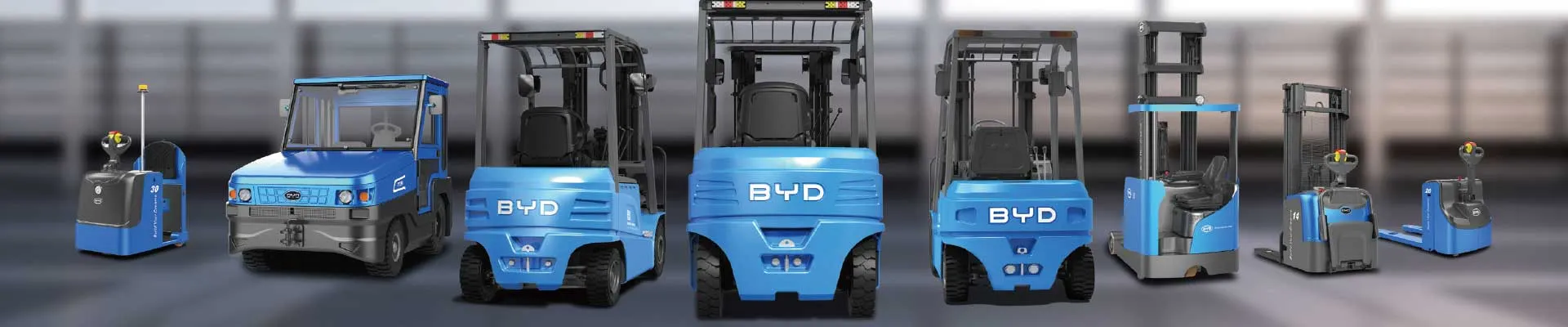
As low-carbon logistics development accelerates, electric forklifts have become common handling equipment in warehouses, manufacturing workshops and distribution centers, and mastering correct use and management rules can help operators give full play to the equipment’s performance in daily work.
Core Pre-operation Check Points
Before starting the equipment every shift, operators need to check the remaining power status, tire wear condition, lifting mechanism flexibility and brake response performance first, confirm there is no obvious abnormal sound or liquid leakage around the body, also check the validity of surrounding working space, remove irrelevant obstacles that may affect the operation trajectory, to avoid potential hidden dangers caused by unperceived equipment problems in subsequent operation.
Standard Operation Specifications for Daily Use
During operation, operators need to keep the driving speed matching the on-site road condition, no sudden acceleration or sharp turn when carrying loads, keep the goods in the stable center of the fork frame, adjust the lifting height of the goods properly according to the stacking scenario, avoid lifting the goods too high when driving on the flat passage, pay close attention to the dynamic of surrounding passing personnel and other handling equipment at all times, no overloading beyond the rated load capacity marked on the equipment specification.
Routine Maintenance to Extend Equipment Service Life
After finishing the daily operation, operators need to park the equipment in the pre-planned designated parking area, lower the fork frame to the proper lowest position, cut off the power supply normally, finish the appearance cleaning work of the body in time, clear the dust and debris accumulated on the heat dissipation part of the power system, carry out regular professional inspection for key components every fixed cycle, replace the worn accessories in time according to the actual use loss condition, avoid long-term idle of fully discharged power battery.
Energy Saving Optimization Tips for Long Hour Operation
For scenarios that need continuous operation for more than 6 hours, operators can arrange reasonable shift rest periods properly, avoid frequent repeated lifting and falling of no-load fork frames, plan the handling route in advance before each batch of goods transfer, reduce unnecessary repeated driving distance, these small adjustments can effectively improve the overall energy utilization efficiency, support the stable operation of daily material handling work.


