
 简体中文
简体中文 Русский
 Français
 Português
 Español
 لالعربية
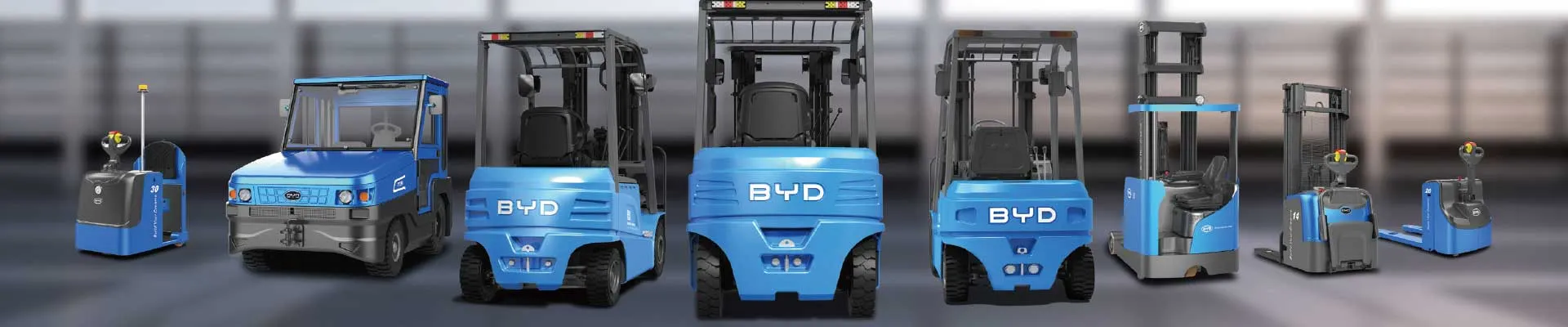
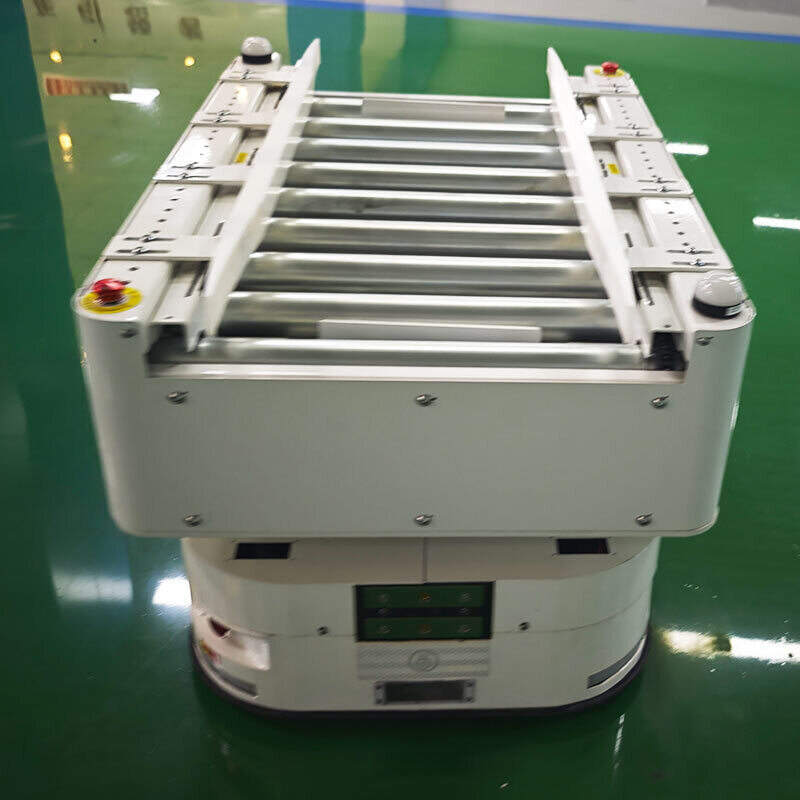
Against the background of growing demand for low-carbon and efficient material handling, electric forklifts have gradually become a core equipment choice for various indoor and semi-outdoor logistics scenarios. Compared with traditional internal combustion counterparts, they feature lower noise emission, no tail gas output and more flexible adjustable operating parameters, which can meet the differentiated use needs of different sites.
Core Application Scenarios of Electric Forklifts
Most electric forklift products are designed to adapt to closed or semi-closed working environments that have strict requirements on air quality and working noise, covering routine operation links such as cargo stacking, high-position access, horizontal handling and loading and unloading in standard warehouses, e-commerce distribution centers, pharmaceutical production workshops, food processing factories and other scenarios. The load capacity and lifting height of different configurations can match the handling needs of different weight grades of goods, and the compact body design can also pass through narrow operation channels smoothly to improve the utilization rate of internal space of the site. Users can select corresponding configuration specifications according to their actual daily operation intensity and site conditions to get matching use experience.
Standard Operation Specifications That Matter
Operators need to receive systematic pre-job training before formal use, they should check the remaining power state, brake sensitivity, steering flexibility and tire surface condition of the equipment before each startup, and confirm that there is no foreign matter stuck in the moving part of the mast. During the operation process, operators need to keep the goods stable on the fork frame, avoid sudden steering or sudden braking actions under heavy load state, and do not allow personnel to stand or walk under the lifting mast to avoid unnecessary safety risks. After the daily operation is completed, the equipment should be parked in the designated charging area, the mast should be lowered to the lowest position, and the power supply should be cut off to finish the whole operation process properly.
Daily Maintenance Tips to Extend Service Life
Regular maintenance work can effectively reduce the failure rate of electric forklifts and maintain stable performance in long-term use. For the power battery part, users should follow the specified charging process requirements, avoid over-discharging or over-charging the battery pack for a long time, and clean the dust and sundries on the surface of the battery and connector regularly to keep the contact state good. For the walking and lifting system, users should check the wear degree of transmission parts every fixed cycle, add proper amount of lubricating oil to the rotating connection position as required, and clean the dust accumulation on the motor and heat dissipation structure to ensure the heat dissipation efficiency in continuous operation.


