
 简体中文
简体中文 Русский
 Français
 Português
 Español
 لالعربية
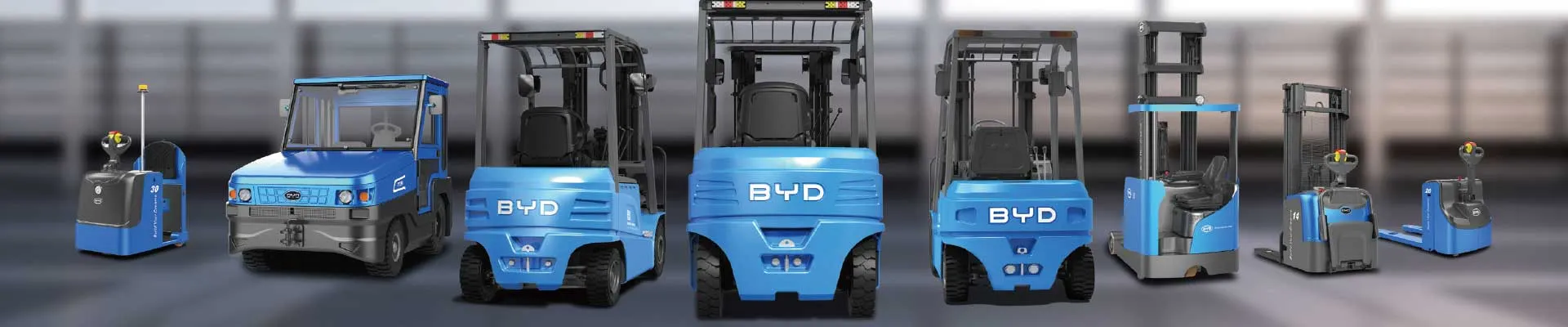
As the logistics and warehousing industry continues to pursue low-carbon and high-efficiency operation modes, electric forklifts have gradually become one of the most widely used material handling equipment in indoor and closed working scenarios. Unlike traditional internal combustion counterparts, electric forklifts rely on electric power drive systems to complete cargo stacking, handling, loading and unloading tasks, and their use effect is closely related to standardized operation and reasonable daily management.
Core Performance Advantages of Electric Forklifts in Common Scenarios
In daily warehousing operation scenarios, electric forklifts produce almost no exhaust emissions during operation, which can effectively avoid air pollution in closed indoor spaces, and their overall operating noise is also controlled at a relatively low level, creating a more comfortable working environment for on-site staff. The power output characteristics of electric drive systems allow the equipment to present more stable torque adjustment effect during low-speed operation, which can better adapt to frequent start and stop, short-distance movement operation needs in small space scenarios, and reduce unnecessary energy consumption in long-term continuous use. Most electric forklift models also have relatively compact body structure, which can pass through narrow warehouse passages more smoothly and make full use of limited storage space.
Key Points of Conventional Daily Maintenance
For the daily management of electric forklifts, the inspection and maintenance of the power energy system occupies a core position in the whole workflow. Operators need to check the surface condition of the power unit before each shift, confirm that the connecting parts are free of loose or liquid leakage phenomena, and complete the corresponding charging operation according to the specified operation process, avoid over-discharging or long-term over-charging behavior that may cause damage to the internal structure of the power unit. In addition, the regular inspection of walking wheels, lifting transmission components and brake system can also effectively reduce the failure rate in the use process, and avoid unexpected shutdown that affects the operation schedule. Daily cleaning of the equipment shell and operation interface can also prevent accumulated dust from entering the internal circuit and cause abnormal control response.
Safety Operation Specifications for Different Scenarios
Operators need to receive corresponding professional training before formally using electric forklifts, master the operation logic of each control component, and adjust the operation mode according to different working scenarios. When operating in narrow channel warehouse areas, operators need to control the driving speed within a reasonable range, reserve enough safe distance with surrounding shelves and personnel, and avoid sudden steering or sudden braking behavior when carrying heavy loads. When carrying out high-altitude stacking operations, the operator needs to confirm that the center of gravity of the goods is stable, and no personnel stay under the lifting fork frame during the whole process of lifting and lowering the goods. Following these basic operation rules can effectively reduce the occurrence of operation risks and extend the comprehensive service life of the equipment.


