
 简体中文
简体中文 Русский
 Français
 Português
 Español
 لالعربية
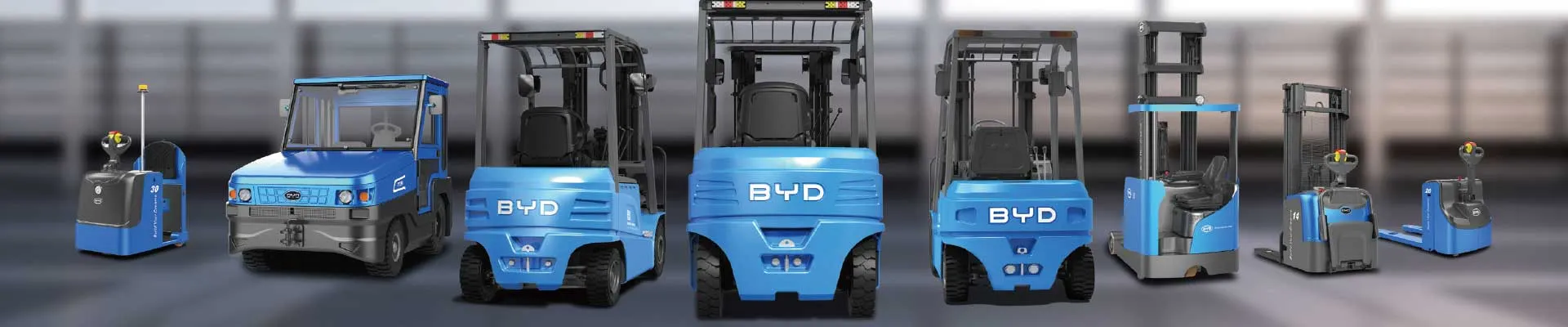
Courier sorting centres usually face dense, high-frequency pallet relocation demands during daily peak operation periods, with hundreds of pallets loaded with sorted parcels needing to be transferred between unloading zones, temporary storage areas, sorting lines and outbound loading docks every working shift. The stand-on electric pallet truck, designed for short-distance repeated handling scenarios, is widely adopted for this type of high-intensity work due to its compact body structure and flexible operation mode.
For frontline operators, the first core usage point is to conduct full pre-operation inspection before each shift. They need to check the remaining battery level, the flexibility of lifting and lowering forks, the braking sensitivity and the status of running wheels, to avoid sudden operation failures that cause blockage of sorting lines during peak hours. When driving in the narrow passages between sorting racks, operators should keep the running speed under the specified safe limit, and slow down in advance at intersections with frequent pedestrian flows to prevent collision with passing staff or scattered parcel stacks. Operators should also reserve enough safe distance between the equipment and sorting line equipment when moving near the operation area of sorting staff, to avoid accidental interference to normal sorting work.
For high-frequency pallet relocation work, reasonable operation habit cultivation can effectively improve overall handling efficiency. Operators can pre-plan the transfer route according to the sorting operation schedule of the current shift, prioritize the transfer of pallets marked with priority outbound labels, and reduce unnecessary turnarounds in the operation area. When picking and placing pallets, it is recommended to insert the forks into the full depth of the pallet bottom to avoid partial slipping of the goods during fast moving, which will not only reduce the risk of parcel damage, but also cut down the extra time consumed by secondary arrangement. Operators can also cooperate with dispatchers on site to adjust transfer sequence dynamically according to the real-time backlog of parcels, to match the actual operation rhythm of the sorting centre.
Routine daily maintenance work can extend the stable service life of the equipment, and reduce unexpected downtime in high-intensity operation scenarios. After each shift ends, operators should park the equipment in the designated charging area, lower the forks to the lowest position, wipe off the dust and parcel sundries attached to the body and wheel gaps, and charge the battery according to the regular equipment operation requirements to ensure full power supply for the next shift. Regularly check the wear degree of the running wheels, replace the severely worn parts in time, to keep the operation stability of the equipment during frequent start and stop process. Following the above practical usage guidelines, the stand-on electric pallet truck can give full play to its inherent advantages in corresponding scenarios, support the smooth operation of the whole sorting process, and create stable practical value for the daily operation of logistics sites.


