
 简体中文
简体中文 Русский
 Français
 Português
 Español
 لالعربية
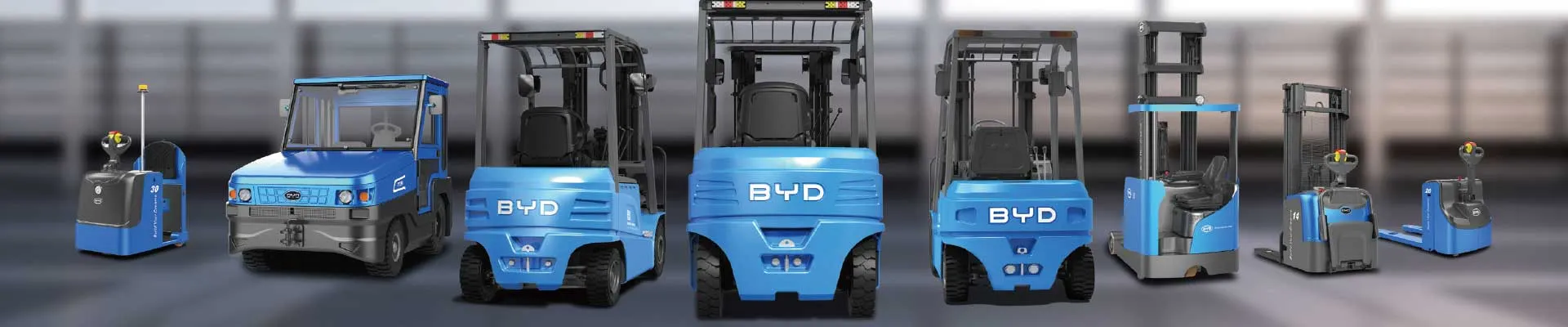
.jpg "Lithium-ion forklift-notes for multi-plant-manufacturer-standardized-material-handling-fleet-roll-out-projects(figure1)")
For multi-plant manufacturing enterprises that plan to implement unified upgrade of their material handling systems across different production bases, the standardized rollout of lithium-ion forklift fleets is a systematic project that requires full consideration of both overall unified rules and reasonable adaptation to local scenarios.
In the pre-deployment survey and alignment phase, the project team should first conduct full coverage of investigation of all operating scenarios across all sites, count the basic parameters including average daily working hours, maximum load weight, typical passing channel width, special operation scenarios such as low-temperature storage or high-dust production workshops, sort out the general demand specifications that can cover over 90% of daily operation needs, and reserve reasonable adjustment space for less common special scenarios. This unified demand sorting method can avoid inconsistent configuration standards caused by independent decision-making of each site, reduce the types of reserved spare parts in the later operation period, and effectively control the overall comprehensive operation cost of the fleet.
During the formal deployment and implementation phase, the enterprise shall establish a unified training system for frontline operators and on-site maintenance personnel of all sites, make clear the standardized operation procedures for daily vehicle use, regular inspection and charging management. The setting standards of dedicated charging areas shall also be unified across all plants, with corresponding safety protection facilities configured in accordance with consistent specifications, so as to eliminate potential safety risks caused by different implementation standards at different sites. The project team can arrange cross-site personnel mutual inspection during the deployment process, to ensure that the implementation progress of each base is coordinated, and the problems encountered in a single site can be shared and solved in all other sites in time.
After the full fleet is put into use, the enterprise can build a cross-site operation data sharing mechanism, collect the actual operation data of lithium-ion forklifts in each production base regularly, optimize the unified management rules dynamically according to the actual feedback of different scenarios, so as to gradually improve the overall operation efficiency of the whole standardized fleet, and realize the expected goal of stable, efficient and low-cost material handling support for multi-site production operation.


