
 简体中文
简体中文 Русский
 Français
 Português
 Español
 لالعربية
.jpg "- Pallet Truck vs Forklift: Understanding the Real Difference(figure1)")
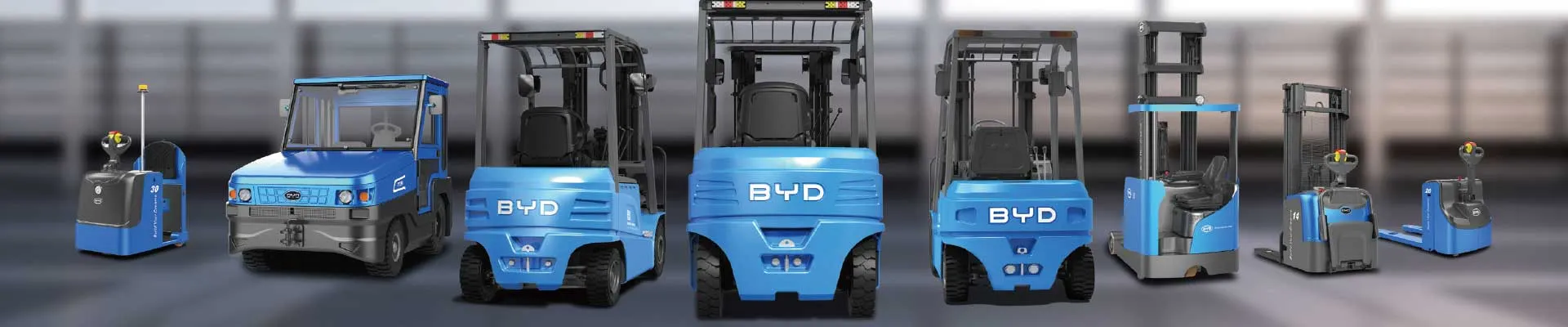
Nowadays, electric forklifts have become one of the most widely applied material handling equipment in indoor warehouses, manufacturing workshops and distribution centers. Compared with internal combustion-powered counterparts, they feature low operating noise and zero local emission, which fit well with closed working scenarios with strict environmental requirements. Mastering standardized usage and maintenance rules can help operators give full play to the equipment’s performance, avoid unnecessary abnormal wear, and create a more stable daily working condition.
Core Pre-operation Inspection Protocols
Before starting any formal work tasks, operators need to complete a full range of safety checks around the whole equipment. First, confirm the remaining power level of the battery pack, and check that there is no loose wiring, liquid leakage or obvious corrosion on the electrode connection parts. Then test the response sensitivity of the braking system, the smooth feedback of the steering wheel and all control levers, to make sure no lag or failure occurs during subsequent operation. It is also necessary to check if there is obvious deformation or crack on the forks and lifting mast, and verify that all safety components including headlights, warning buzzers and reverse reminder lights work in normal condition. If any abnormal sign is found during the inspection, operators should report the situation to the maintenance team immediately, instead of putting the problematic device into operation.
Standard Daily Operation Specifications
In the actual working process, operators need to strictly refer to the rated load parameter of the specific equipment, and never carry goods that exceed the designed load limit. When lifting goods, keep the proper backward tilt angle of the mast, and make sure the goods are placed stably on the forks before starting to move the device. When driving along the internal warehouse aisle, reserve enough braking distance in advance, actively give way to walking staff, and slow down with warning prompt when passing corners and visual blind areas. Do not drive the device transversely on sloped roads, and do not travel for long distances with the goods lifted to a high position. After finishing all daily tasks, park the device in the designated charging area, lower the mast completely, pull up the hand brake before disconnecting the main power supply.
Routine Maintenance Suggestions
Regular standardized maintenance helps extend the overall service life of the electric forklift effectively. During daily cleaning work, clear away dust and scattered cargo debris accumulated on the device surface in time, to prevent sundries from entering the motor or heat dissipation air duct and affecting normal operation. Check the wear condition of tires regularly according to the usage frequency, and replace the parts that exceed the wear limit in time. Supplement special lubricant for the chains and rollers on the mast periodically, to reduce friction loss during lifting movement. For devices that will be idle for a long time, keep a regular charging schedule to avoid over-discharge damage to the battery pack. Following these practical rules can effectively lower long-term comprehensive operation cost, and promote the overall material handling efficiency of the whole working site.


