
 简体中文
简体中文 Русский
 Français
 Português
 Español
 لالعربية
.jpg "- Manual or Electric Pallet Jack? When Upgrading Pays Off(figure1)")
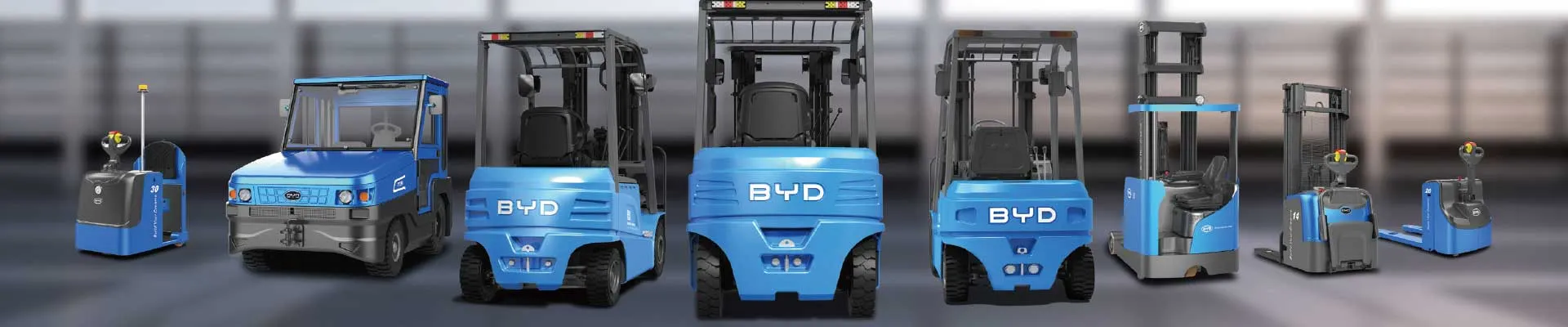
Against the growing demand for low-carbon and high-efficiency logistics operations, electric forklifts have gradually become one of the most widely used material handling equipment in indoor storage, manufacturing workshops and distribution centers. This guide sorts out practical industry knowledge that can help relevant practitioners better grasp the core characteristics and operation points of such equipment.
Core Performance Advantages of Electric Forklifts
Different from fuel-powered handling equipment, electric forklifts rely on stored electric energy to provide power output, which will not produce exhaust emissions during the whole operation process, so they are more suitable for enclosed indoor operation scenarios. The overall noise level of the equipment during operation is also controlled at a relatively low range, which can reduce the interference to the surrounding working environment and help the on-site staff maintain a relatively stable working state. The power output curve of electric forklifts is more stable during the whole lifting and moving process, which can provide relatively smooth operation feedback for operators, and reduce the risk of goods slipping or colliding caused by unbalanced power output.
Key Operation Norms for Daily Use
Before each official operation, operators need to check the remaining power level, the flexibility of the steering system, the integrity of the braking device and the normal state of the lifting fork structure first. During the operation process, operators need to control the moving speed according to the on-site environmental conditions, avoid sharp steering or sudden braking when carrying loaded goods, and keep a safe distance from surrounding staff and obstacles. When the equipment stops working, the lifting fork should be lowered to the lowest position, the power switch should be turned off, and the relevant safety locking device should be started to avoid unintended movement caused by misoperation.
Practical Routine Maintenance Suggestions
Daily maintenance work of electric forklifts mainly focuses on the power supply system, transmission components and electrical connection points. Operators should clean the dust and debris attached to the surface of the equipment after daily use, check the tightness of each electrical connection point regularly, and avoid long-term power shortage storage of the power supply module. Conduct regular professional inspection for the wearing parts such as brake pads and transmission bearings according to the actual use frequency, which can effectively reduce the probability of unexpected equipment failure in the working process, and extend the overall service life of the equipment accordingly.


