
 简体中文
简体中文 Русский
 Français
 Português
 Español
 لالعربية
.jpg "Pallet Truck Total Cost of Ownership: Beyond the Sticker Price(figure1)")
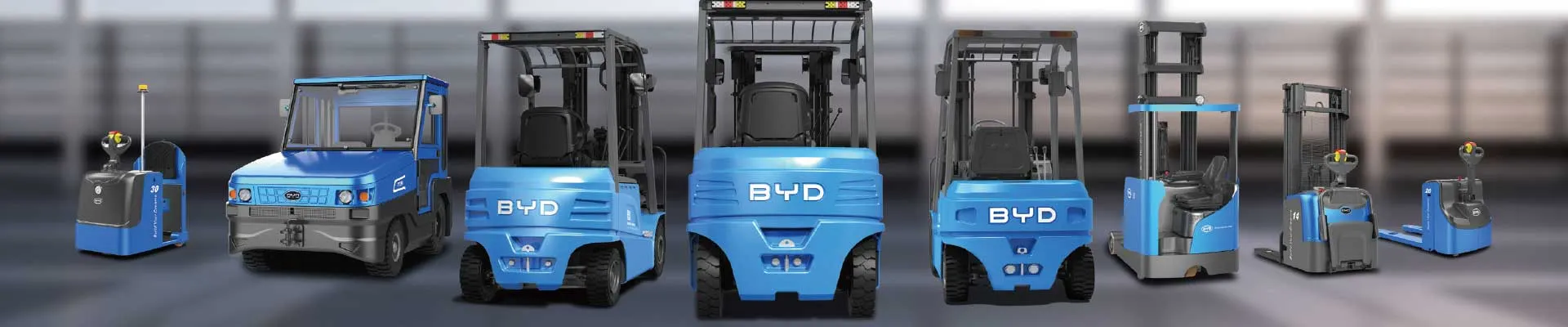
As the core equipment of modern indoor logistics and material handling, electric forklifts have been widely applied in various industrial scenarios in recent years for their low noise, zero local emission and flexible operation features. Mastering proper usage rules and maintenance methods can help operators give full play to the advantages of such equipment, and create more stable operation value for daily material handling work.
Core Operational Best Practices for Electric Forklifts
Before starting each shift, operators need to complete basic pre-check work, including confirming the remaining power level, testing the flexibility of lifting and tilting mechanisms, and checking the sensitivity of brake and steering systems. During operation, operators need to strictly follow the rated load limit, avoid carrying overweight goods for a long time, and keep stable driving speed on smooth warehouse ground. When turning or passing narrow aisles, proper deceleration can effectively reduce the risk of cargo falling and side scraping, while reducing extra wear to the walking system. Avoid frequent sharp acceleration and sudden brake during normal driving, which can not only cut unnecessary power consumption, but also extend the service life of core electrical components.
Routine Maintenance Tips to Extend Service Lifespan
Regular daily maintenance can effectively reduce unexpected failure rate of electric forklifts, and avoid unplanned downtime in peak operation periods. For the power battery module, operators need to avoid deep discharging to extremely low power level before charging, and stop charging in time when the battery is fully charged to prevent overheating damage. It is necessary to wipe the dust and accumulated sundries on the surface of battery electrodes and body shell regularly, to keep the heat dissipation condition in good state. Operators can check the wear degree of solid tires, the sealing performance of hydraulic pipelines and the flexibility of control levers on a weekly basis, and deal with minor abnormal conditions in time before they evolve into bigger faults that affect normal usage.
Scenario-based Efficiency Adjustment Strategies
Different application scenarios need targeted usage adjustment to maximize the performance of electric forklifts. For narrow aisle warehouse scenarios, operators can properly reduce the maximum driving speed to improve operation safety and space utilization. For low temperature working environment, taking proper thermal insulation measures for the battery module can effectively avoid sharp drop of output power, and maintain stable work efficiency. For high-intensity continuous operation scenarios, arranging short rest and supplementary charging time reasonably between shifts can avoid long-time overload operation of the motor, and ensure continuous and stable material supply for production line or storage sorting work. Scientific and standardized usage and maintenance habits will help enterprises fully tap the value of electric forklift equipment, and build a more stable, efficient and low-cost indoor material handling system.


