
 简体中文
简体中文 Русский
 Français
 Português
 Español
 لالعربية
.jpg "New vs Used Electric Pallet Trucks: A Practical Guide(figure1)")
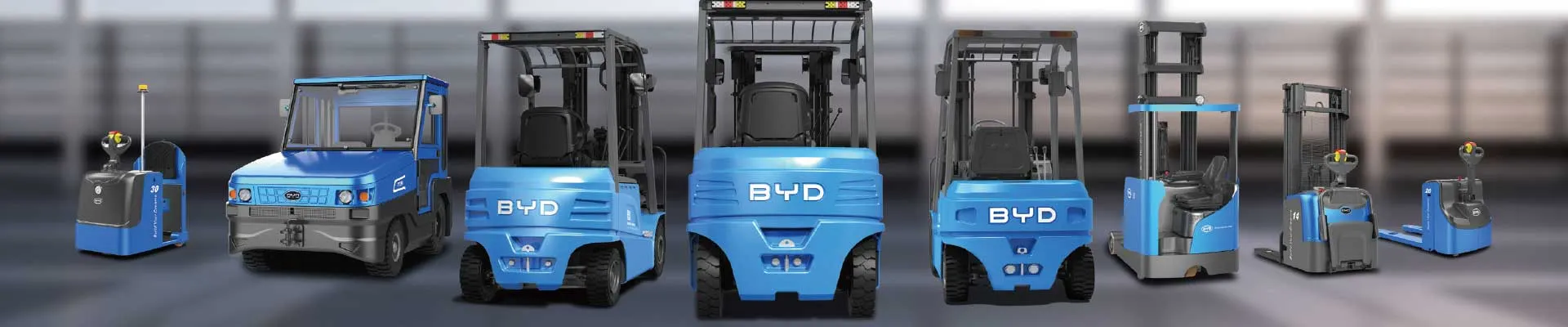
With the continuous promotion of low-carbon transformation in the industrial logistics sector, electric forklifts have become one of the most widely applied material handling equipment in indoor warehousing, manufacturing workshops and short-distance cargo transfer scenarios in recent years. For frontline operators, warehouse managers and related industrial practitioners, mastering systematic electric forklift related knowledge can effectively avoid unnecessary equipment loss, improve overall operation smoothness, and reduce long-term comprehensive operation cost.
Core Functional Characteristics of Standard Electric Forklifts
Different from internal combustion powered handling equipment, modern qualified electric forklifts are powered by rechargeable energy storage units, which produce no exhaust emission during normal operation, and generate much lower operating noise compared with fuel powered counterparts. Most standard products are designed with compact body structure, flexible steering angle, and can adapt to narrow aisle operation scenes in conventional medium and small sized warehouses. The operation control system of electric forklifts is usually designed with humanized logic, new operators can get familiar with basic operation steps in relatively short time after receiving formal safety training, no need to master complex fuel power system operation skills.
Key Points of Daily Routine Maintenance Work
Regular standardized maintenance is the core measure to extend the service life of electric forklifts. Before each shift of operation, operators need to check the remaining power level of the energy storage unit, confirm the normal performance of the braking system, steering system and lifting hydraulic structure, and check whether the safety protection light and alarm device work normally. After the daily operation is finished, operators need to park the equipment at the designated special parking area, turn off the whole machine power, clean the dust and sundries attached to the body surface and wheel structure, and carry out charging operation at the matched special charging pile according to the actual remaining power proportion. It is not recommended to keep the equipment in full power or zero power state for long time, which may cause extra loss to the energy storage unit.
Scenario Matching and Operation Optimization Suggestions
When selecting and applying electric forklifts, relevant practitioners can match the corresponding load capacity, maximum lifting height and body size parameters according to the actual daily operation requirements, no need to blindly pursue parameters far higher than actual demand. During the operation process, operators should avoid overloading for long time, avoid frequent sharp acceleration and sharp deceleration on uneven road surface, which can effectively reduce unnecessary consumption of electric components and wearing parts. For special working scenes with low temperature or high humidity, targeted protective measures can be taken according to the equipment operation manual to maintain stable operation performance. Following the above systematic operation and maintenance specifications, electric forklifts can maintain good working state for long term, and create stable value for daily material handling work.


