
 简体中文
简体中文 Русский
 Français
 Português
 Español
 لالعربية
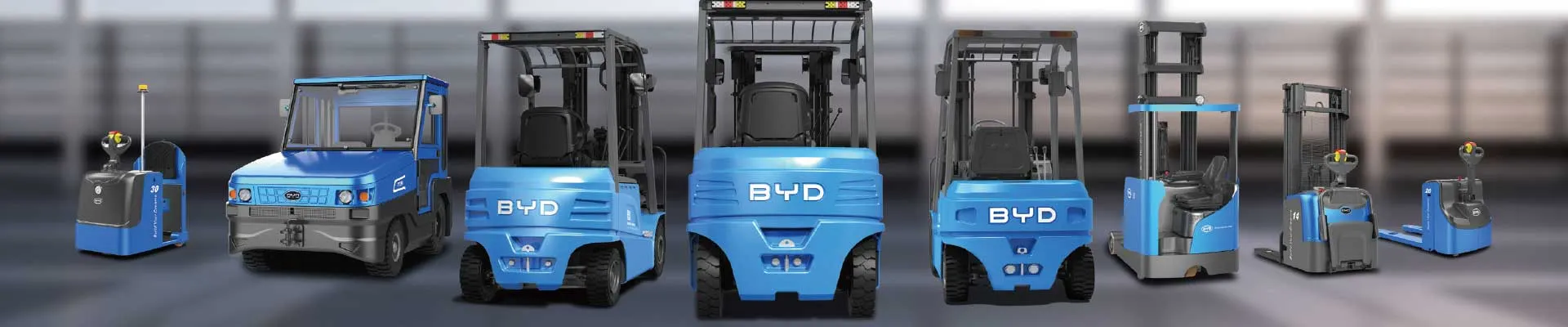
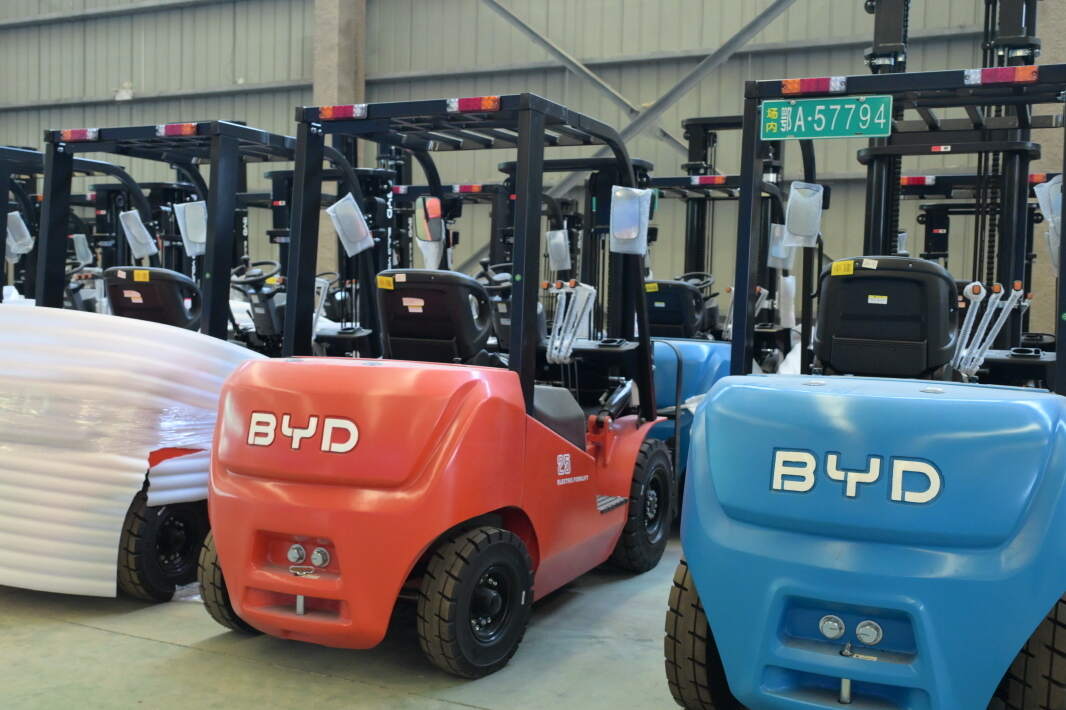
Against the background of growing low-carbon logistics demands, electric forklifts have become one of the most widely used material handling equipment in indoor storage, manufacturing workshops and distribution hubs in recent years. For front-line operators and warehouse managers, mastering correct use and management methods can give full play to the inherent advantages of such equipment and create more stable value for daily production.
Core Performance Characteristics of Electric Forklifts
Different from internal combustion forklifts, electric forklifts are powered by on-board energy storage units, which will not produce exhaust emissions during the whole operation process, making them more suitable for closed indoor working environments with high air quality requirements. The overall noise level during operation is also controlled at a relatively low range, which can reduce the long-term noise interference to on-site operators. Their power output mode is smoother, which can offer more stable traction when carrying pallet goods on flat ground, and the operation sensitivity is friendly for new operators to get familiar with quickly.
Standard Operation Guidelines for Daily Use
Before each start-up, operators need to check the remaining power level, the flexibility of lifting and tilting hydraulic parts, and the sensitivity of brake and steering systems first, to avoid potential hidden risks caused by long-term uninspected parts. During the running process, it is not recommended to carry goods beyond the rated load range, and keep the goods at a low height when driving on the ramp to prevent slipping accidents. When the equipment is not in use, operators should park it in the designated area, lower the loading fork to contact the ground, and cut off the main power supply to avoid unnecessary power consumption.
Practical Routine Maintenance Suggestions
Daily maintenance work does not need too much complicated operation, regular cleaning of the dust and debris accumulated on the surface of the energy storage unit and wheel parts can effectively reduce the extra running resistance. For the transmission and hydraulic systems, follow the official recommended cycle to check the liquid level status of lubricating oil and hydraulic oil, and supplement or replace the corresponding medium in time. Regularly check the tightness of connecting wires of the whole vehicle, to avoid poor contact caused by long-term vibration during operation. Proper daily management can effectively extend the service cycle of the equipment and reduce the overall operation cost for the warehouse.


