
 简体中文
简体中文 Русский
 Français
 Português
 Español
 لالعربية
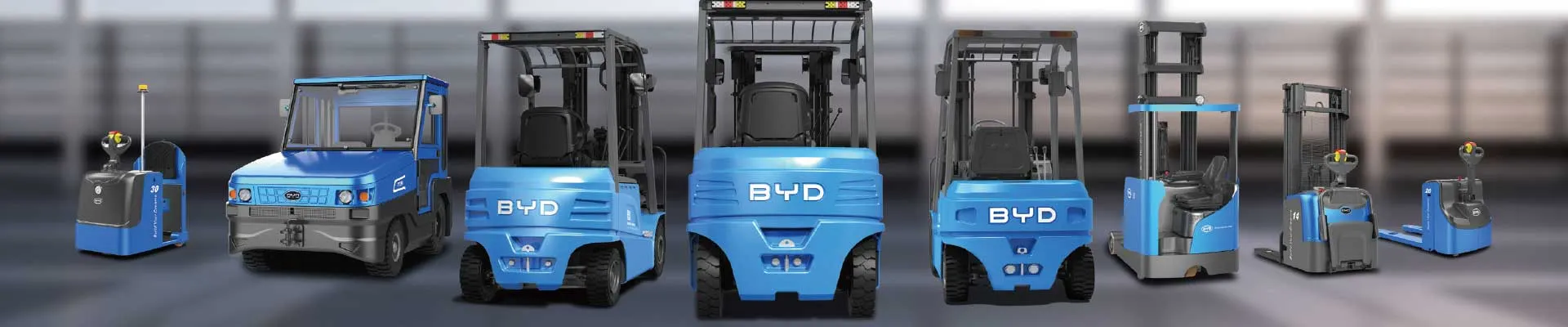
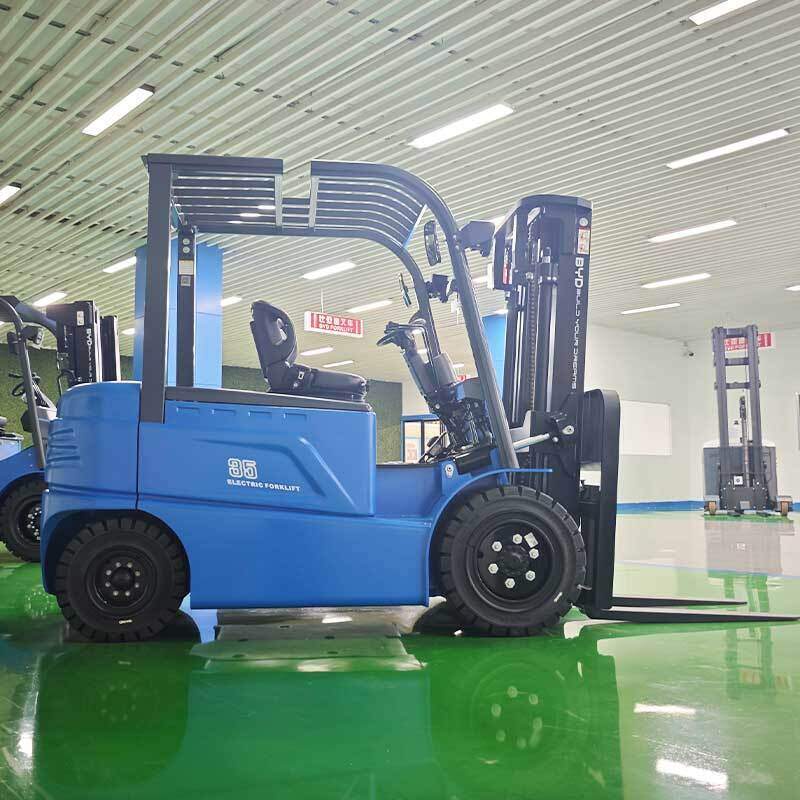
Against the background of low-carbon logistics development, electric forklifts have been widely applied in warehouse material handling, manufacturing workshop turnover and other indoor operation scenarios. Mastering systematic operation and maintenance knowledge can help operators give full play to the advantages of this equipment, and avoid unnecessary loss of parts and operating costs.
Basic Pre-operation Inspection Norms
Before starting each shift, operators need to check the remaining battery level first to confirm it can support the planned workload of the whole shift, then test the sensitivity of the braking system and lighting prompt components, check whether there is oil leakage on the lifting hydraulic parts, and confirm the wear degree of the driving wheels does not exceed the safety threshold. It is also necessary to clear the scattered sundries in the operation route in advance, and confirm that the weight of the goods to be handled does not exceed the rated load of the equipment, so as to avoid potential safety hazards in subsequent operations.
Standard Operation Best Practices
During the driving process, operators should keep a stable and appropriate speed, slow down in advance when turning or passing through blind areas, and take the initiative to avoid passing staff in narrow aisles. When forking goods, keep the mast tilted back appropriately, and move the goods close to the frame before moving, to prevent the goods from slipping and falling during driving. When the equipment needs to park for a long time, the operator should put down the forks completely, turn off the power supply, and pull the hand brake, and do not allow irrelevant personnel to ride on the non-load bearing part of the equipment.
Daily and Periodic Maintenance Essentials
After finishing the daily operation, the operator should charge the equipment in time, and avoid over-discharging the battery for a long time to reduce the service life of the battery plate. Operators also need to clean the heat dissipation part of the motor regularly, and remove the residual material debris in the gap of the fuselage, so as not to affect the normal heat dissipation effect. The management party should arrange professional personnel to check the hydraulic oil level and the aging degree of the pipeline regularly, replace the wearing parts as required, and make complete maintenance records, which can effectively reduce the probability of sudden equipment failure.
Efficiency Improvement in Daily Application Scenarios
Combined with the on-site operation flow, enterprises can plan the fixed operation route of electric forklifts reasonably, reduce the unnecessary empty driving mileage, and arrange different handling tasks in a reasonable sequence to avoid frequent high-intensity start and stop that increases energy consumption. With the gradual accumulation of operation experience, the operating team can sum up the operation rhythm matching the site characteristics, which can effectively improve the overall material turnover efficiency of the whole logistics node.


