
 简体中文
简体中文 Русский
 Français
 Português
 Español
 لالعربية
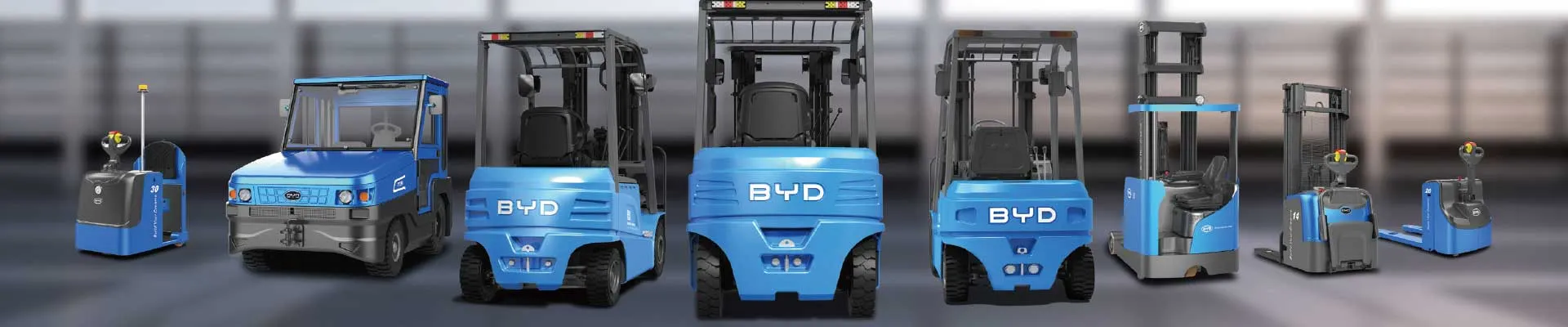
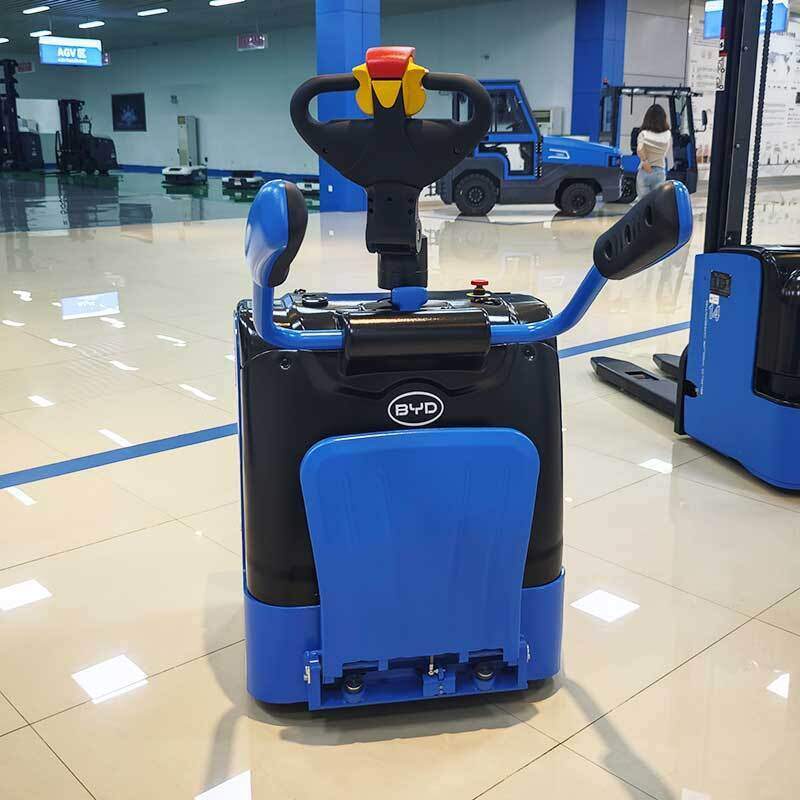
Against the general trend of low-carbon transformation in the global logistics and warehousing sector, electric forklifts have gradually become one of the most widely used core material handling equipment in various operation scenarios. Many front-line operators and warehouse managers still have insufficient systematic cognition on the scientific use and value maximization of this type of equipment, so this guide sorts out practical professional content from multiple dimensions for reference.
Core Scenario Adaptability of Electric Forklifts
Different from traditional internal combustion handling equipment, electric forklifts produce no exhaust emission at the operation site, and keep relatively low running noise during work, which makes them highly suitable for closed indoor warehouses, fresh food storage areas, pharmaceutical production workshops and other scenarios with strict requirements on ambient air quality. Its power output mode can also maintain stable lifting and traveling performance under conventional load conditions, without extra consumption of fossil fuels in the use process, which can better meet the current environmental compliance requirements of most industrial parks and logistics hubs.
Standardized Operation Specifications for Daily Use
Before starting the equipment for daily operation, operators need to complete necessary pre-use checks, including confirming remaining battery level, testing the flexibility of braking and steering systems, and checking whether there is obvious foreign matter stuck on the lifting gantry structure. During the operation process, operators should avoid overloading beyond the rated load range, slow down the traveling speed when passing through narrow aisles or areas with dense personnel, and avoid sharp steering at high speed. When the equipment needs to be parked temporarily, the fork should be lowered to close to the ground level, and the power supply should be cut off if leaving for a long time. It is not recommended to run the equipment until the battery is completely exhausted, and supplementary charging should be arranged when the remaining power drops to the reminder range specified by the product.
Routine Maintenance Suggestions to Reduce Operating Cost
Daily maintenance work does not require too much complex operation, operators can regularly clean the dust and sundries accumulated on the surface of the motor and the body, check whether the connection terminals of the battery pack are loose or corroded, and confirm that the hydraulic oil level is kept within the normal reference range. The wear degree of brake pads should be checked at regular intervals, and worn parts should be replaced in time to ensure operation safety. When abnormal faults appear in the equipment, non-professionals are not advised to disassemble the core components without authorization, and professional technical support personnel can be contacted for troubleshooting, which can effectively extend the overall service life of the equipment and reduce long-term comprehensive operating cost. Scientific application and proper maintenance of electric forklifts can help warehousing operation teams get more stable handling performance, support the steady improvement of overall operation efficiency, and better adapt to the development needs of green logistics in the future.


