
 简体中文
简体中文 Русский
 Français
 Português
 Español
 لالعربية
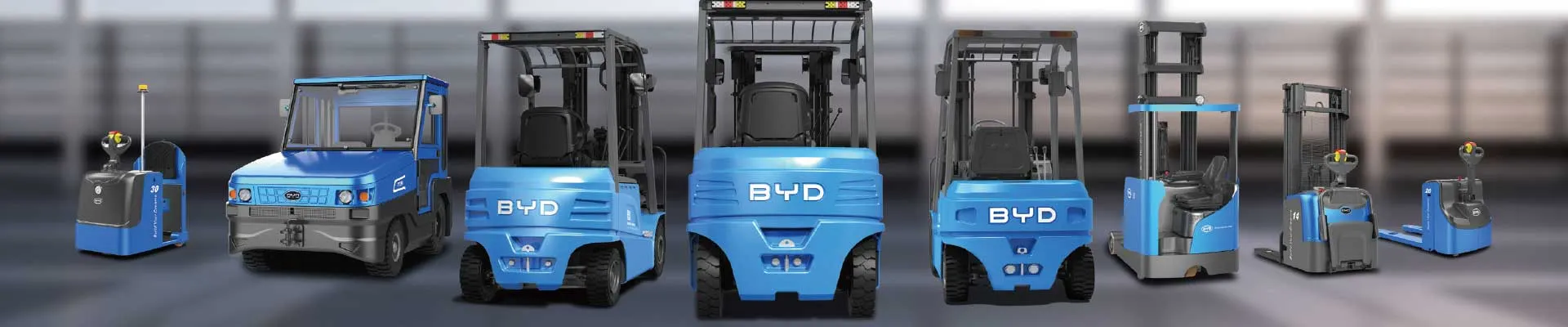
In recent years, electric forklifts have been widely applied in various logistics, manufacturing and retail storage scenarios, with advantages of low noise, zero local emission and relatively low long-term operating cost compared with internal combustion counterparts. Many frontline operators and warehouse managers still lack systematic, practical knowledge to maximize the value of this equipment, which easily leads to unexpected downtime, extra wear and potential safety risks. The following content sorts out core practical points for daily use from the perspective of industry common technical specifications.
Core Standard Operational Specifications
Before each startup, operators need to complete a full visual and functional check, covering remaining power status, brake response sensitivity, steering flexibility, fork deformation condition and surrounding working area status. During operation, operators should strictly follow the load capacity mark of the equipment, avoid overloading which may cause tilt risk, and adjust running speed according to the site environment, especially in narrow aisle and pedestrian concentrated areas. For ramp operations, keep the load side facing the uphill direction, avoid turning on slopes, and do not park the equipment on inclined surfaces for a long time.
Scientific Routine Maintenance Rules
Regular standardized maintenance can effectively extend the whole service cycle of electric forklifts, and reduce unexpected failure rate in daily work. For power system components, avoid overcharging and deep discharging below the recommended threshold, regularly clean the dust and impurities on the electrode connection points to keep good conductivity, and arrange targeted power supplement plans for high-frequency multi-shift scenarios. For mechanical parts, check the hydraulic oil level and sealing condition of the lifting system every week, timely replace tires with excessive wear, and keep the heat dissipation structure of driving motors free of accumulated dust to ensure stable operation.
Scenario-based Efficiency Optimization Tips
Different application scenarios have differentiated requirements for electric forklift performance matching. For low-temperature cold storage working environment, users can choose supporting temperature control accessories for power components to maintain stable output performance. For large-scale e-commerce warehouses with high daily handling volume, arranging reasonable charging exchange intervals in low peak hours can avoid operation interruption in peak business periods. For narrow aisle working scenes, adjust the running path planning according to the equipment body parameters, which can effectively improve the weekly material handling turnover efficiency. Following these practical specifications can help enterprises give full play to the inherent advantages of electric forklifts, and adapt to the current development trend of low-carbon and high-efficiency logistics system construction.


