
 简体中文
简体中文 Русский
 Français
 Português
 Español
 لالعربية
.jpg "Why Reversing at Low Speed Matters When Forklift Vision Is Limited(figure1)")
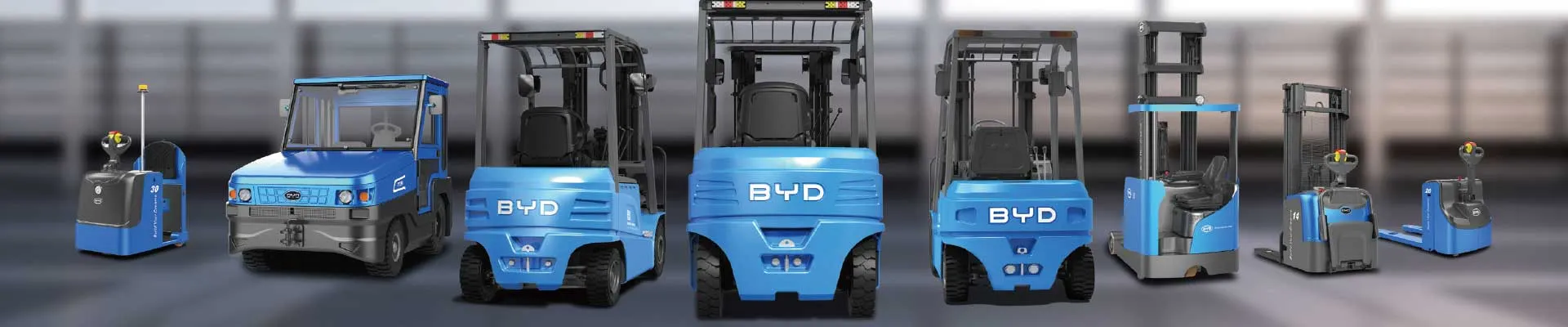
As the low-carbon transformation of industrial logistics accelerates, electric forklifts have become core equipment for most warehouse, manufacturing and distribution scenarios, with their low noise, zero local emission and flexible operation features. Based on years of industry practical experience, this guide sorts out practical actionable knowledge for electric forklift usage to help practitioners make full use of the equipment’s advantages.
Core Daily Operation Specifications
Before starting any shift operation, operators need to complete pre-check procedures including battery status confirmation, brake sensitivity test, fork wear inspection and steering system debug. During operation, it is necessary to keep the load center within the allowable range marked on the equipment nameplate, avoid sharp steering on uneven ground, and never carry passengers on the load platform. For long-distance moving between different work areas, keep the fork 15 to 20 centimeters above the ground to reduce the risk of collision with ground obstacles and unexpected slipping of goods.
Routine Maintenance Practices
Unlike internal combustion forklifts, electric forklifts focus more on the maintenance of power systems and electrical components. Operators need to wipe the surface of the battery shell every week, check whether the wiring interface is loose or corroded, and avoid washing the electrical component area with high-pressure water directly. For tires, check the wear degree of tread lines every two weeks, and replace the parts when the wear depth reaches the warning threshold. Regularly lubricate the lifting sprocket and bearing parts according to the operation manual, which can effectively reduce the noise during lifting and lower the wear speed of transmission parts.
Efficiency Optimization for Different Scenarios
In narrow aisle warehouses, operators can properly reduce the equipment’s maximum running speed within the safety range, to avoid frequent braking and acceleration caused by frequent obstacle avoidance, which can not only reduce power consumption, but also improve the continuity of material handling. For cold storage working scenarios, select low-temperature adapted battery management modes before entering the working area, to slow down the attenuation of battery activity in low temperature environment. For long time continuous operation shifts, arrange reasonable charging intervals according to the actual remaining power, avoid over-discharging the battery to below 20% of total capacity.
Common Misoperations to Prevent
Many operators tend to use the fork to push heavy goods horizontally on the ground, which will cause excessive load on the fork root and lead to hidden cracks under long term stress. It is also not recommended to hang heavy objects on the top of the fork or carry out high-altitude lifting operations without corresponding safety protection measures, which will increase the risk of load tipping. Regularly arrange systematic skill training for operators, can effectively reduce unnecessary equipment wear and safety risks, and create higher operational value for the whole logistics system.


