
 简体中文
简体中文 Русский
 Français
 Português
 Español
 لالعربية
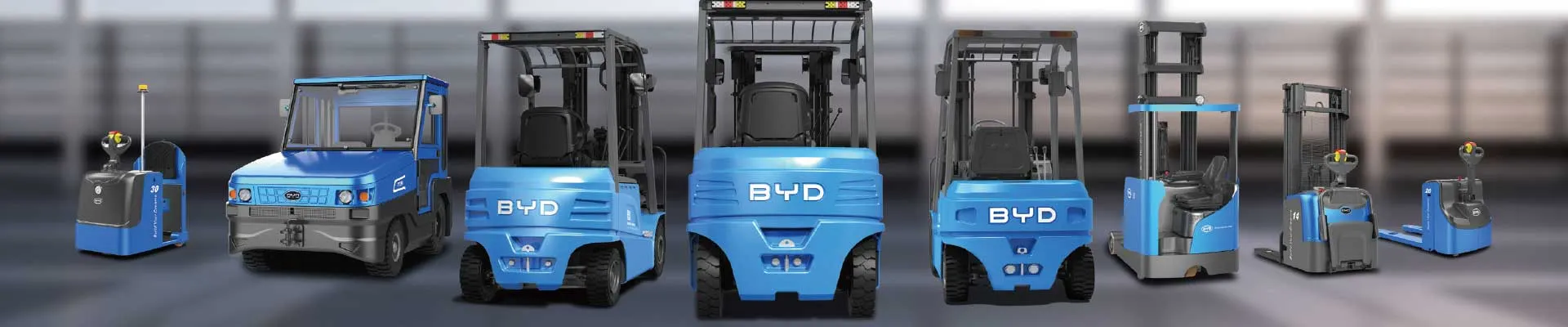
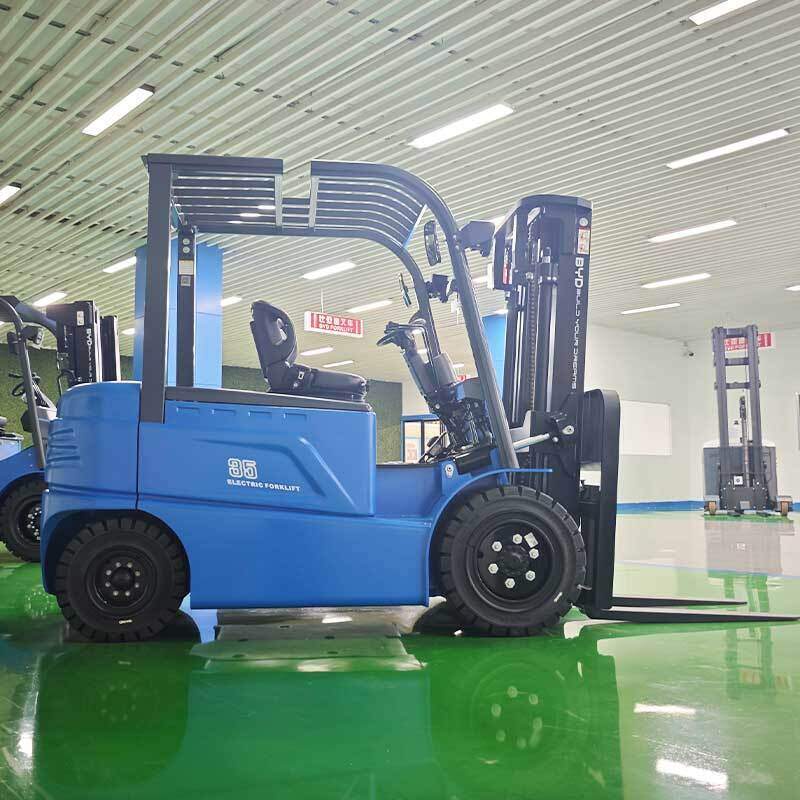
As low-carbon logistics concepts are widely promoted across the industrial sector, electric forklifts have become one of the most popular material handling equipment for small, medium and large warehouse sites in recent years. More and more frontline operators and warehouse managers are looking for systematic, practical guidance to maximize the value of such equipment in daily work.
Core Performance Advantages of Electric Forklifts
Different from internal combustion powered handling equipment, modern electric forklifts rely on electric energy drive systems to complete all lifting, moving and stacking operations. During normal operation, they produce almost no exhaust emissions, which fits the requirements of enclosed warehouse spaces with strict air quality standards. The overall noise level during operation is also far lower than that of fuel-powered counterparts, which can reduce the long-term noise interference to on-site staff working for consecutive hours. For sites that run multi-shift daily operations, the energy consumption cost per unit operation is generally lower than the fuel cost of traditional handling equipment in long-term use.
Standard Operation Specifications for Daily Use
To avoid unnecessary equipment damage, all operators need to receive systematic pre-job training before formally driving the electric forklift. Before each shift starts, staff need to check the remaining power level, the flexibility of the lifting fork, the sensitivity of the braking system and the condition of the tire surface, and record abnormal conditions in time for follow-up processing. During the operation process, operators should avoid overloading beyond the rated load range, and keep a proper safety distance from surrounding shelves, personnel and other facilities. When the equipment gives low power warning, operators should arrange to return to the designated charging area in time, instead of continuing to run with insufficient power which may cause damage to the drive system.
Scientific Routine Maintenance Suggestions
Regular maintenance can effectively extend the whole service life of electric forklifts, and reduce the frequency of unexpected failures that may interrupt normal warehouse operation. The charging module should be kept in a dry, ventilated and cool area, and staff should avoid using mismatched charging devices to charge the equipment. The surface of the equipment body should be cleaned regularly to remove accumulated dust and sundries that may affect the normal operation of the moving parts. Professional technical personnel can check the aging degree of circuit components on a regular basis, and replace the parts that have reached the end of service life in advance, to ensure the stable operation of the equipment in daily work.


