
 简体中文
简体中文 Русский
 Français
 Português
 Español
 لالعربية
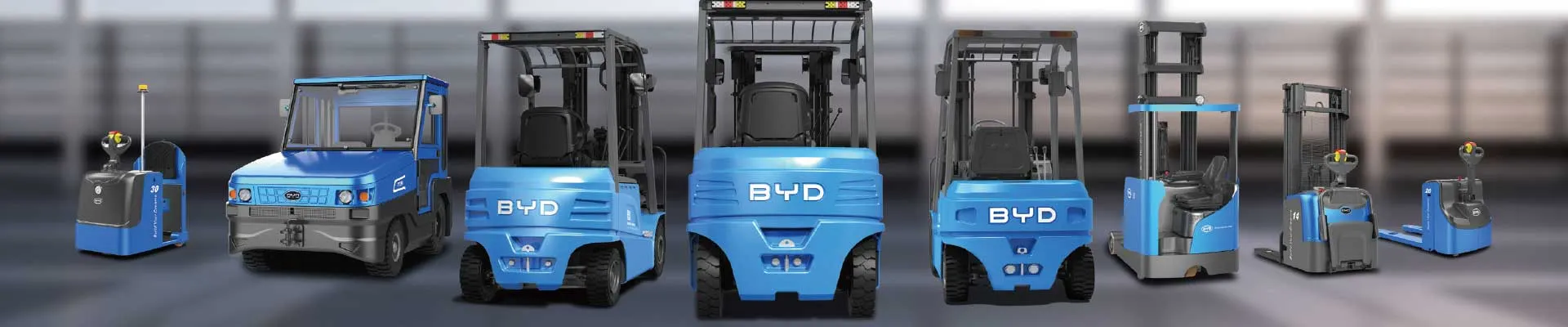
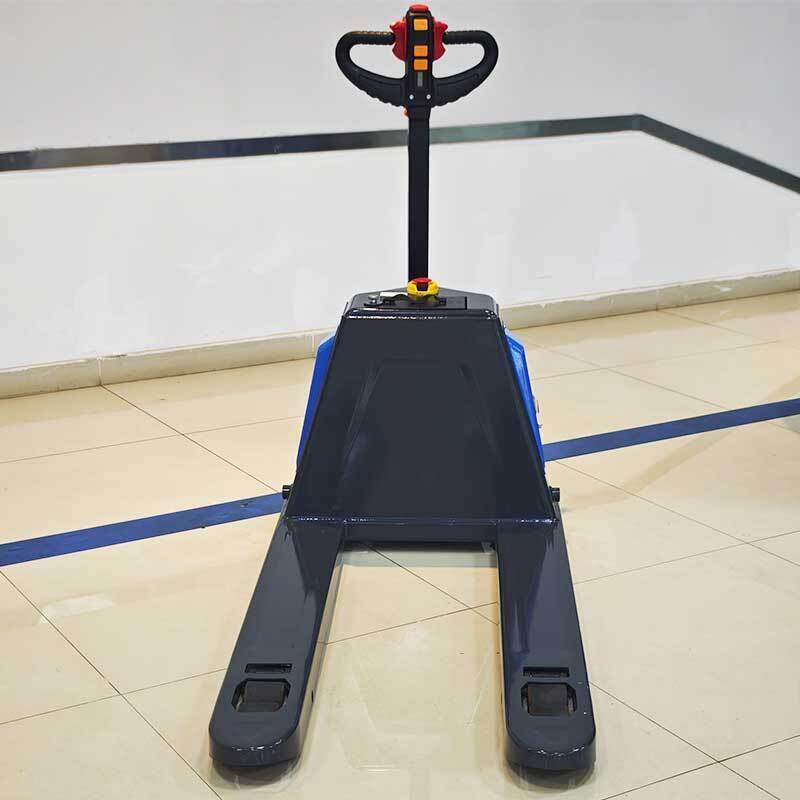
With the continuous popularization of low-carbon logistics concepts, electric forklifts have become one of the most widely used material handling equipment in modern warehousing, manufacturing and distribution scenarios. This guide sorts out practical, industry-recognized professional knowledge for relevant practitioners to refer to, helping them master correct usage logic and avoid common unnecessary operational errors.
Core Performance Characteristics of Standard Electric Forklifts
Different from traditional internal combustion handling equipment, standard electric forklifts are driven by power battery packs, with no direct exhaust emission during daily operation. The overall noise level during working process is far lower than that of fuel-powered counterparts, which can effectively reduce the interference to surrounding working staff and meet the environmental requirements of closed warehousing spaces, fresh food storage areas and other scenarios that have strict requirements on air quality. The power output curve of electric forklifts is relatively stable, which can provide continuous and steady lifting force for heavy loads within the rated load range, and will not produce obvious vibration caused by unstable fuel supply during long-time continuous operation.
Standardized Daily Operation Requirements
Operators need to complete professional pre-job training before operating electric forklifts, and finish a full inspection of core components including braking system, lifting mechanism, tire condition and power residual level before each startup. During the moving process, operators need to keep a proper safe distance from surrounding staff, goods and facilities, and avoid rapid acceleration or sharp steering when carrying loads. It is not allowed to overload the equipment beyond the marked rated load value, to avoid abnormal wear of the transmission structure or accidental toppling of goods. When the equipment is parked, the lifting fork should be lowered to the horizontal position close to the ground, and the hand brake should be tightened to avoid accidental sliding.
Routine Maintenance and Daily Management Points
Regular inspection of the battery pack’s connection points and surface condition is a core part of electric forklift maintenance work. Operators need to follow the official specified charging procedures to finish the charging process, avoid long-term under-voltage storage of the battery, and clean the dust and sundries on the surface of the equipment body regularly. The wear condition of the friction parts of the braking system should be checked every fixed working cycle, and corresponding replacement or adjustment should be carried out in time according to the actual wear degree. Matching the corresponding parameter configuration of electric forklifts according to the actual average load weight, working channel width and daily working duration of the operation scenario can further give full play to the equipment’s performance and reduce unnecessary energy consumption.


