
 简体中文
简体中文 Русский
 Français
 Português
 Español
 لالعربية
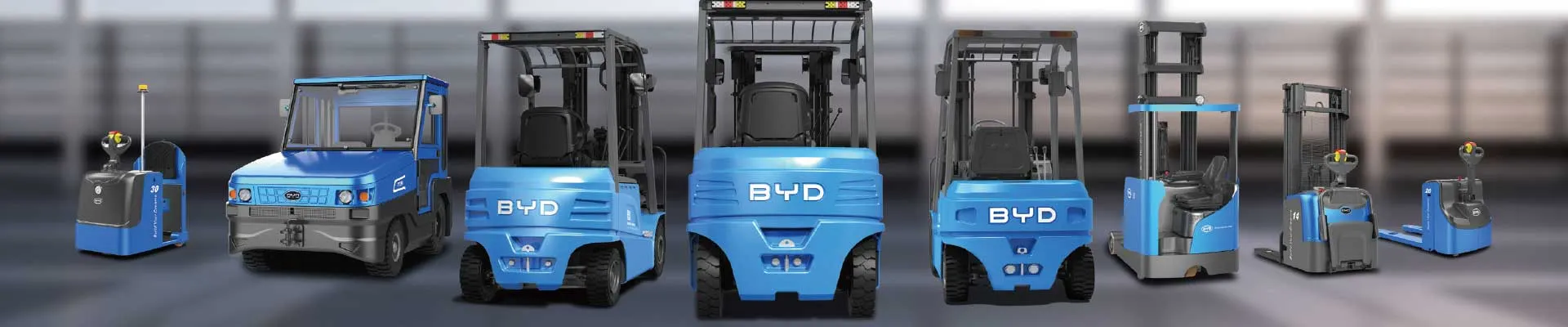
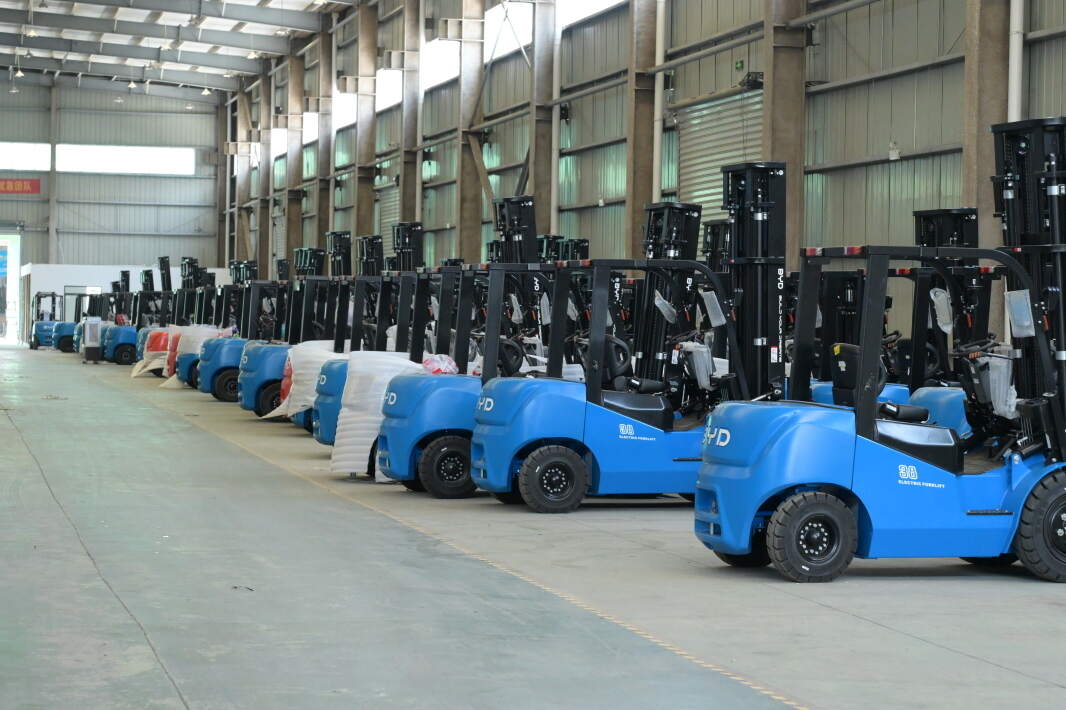
Against the backdrop of growing low-carbon demand in the logistics and warehousing industry, electric forklifts have become one of the most widely applied material handling equipment for their low noise, zero local emission and flexible operation features. Reasonable usage and targeted management can help operators give full play to the equipment’s advantages and reduce unnecessary operating costs in long-term daily work.
Pre-operation Standard Inspection Procedures
Before starting each shift’s operation, operators need to complete a set of standardized inspection steps to eliminate hidden risks in advance. The inspection scope covers tire wear condition, brake system sensitivity, hydraulic component seal performance, remaining battery level and the normal response of all warning indicator lights. Any abnormal sign found during inspection should be recorded and reported to the management team, and the equipment should not be put into use before potential issues are properly handled.
Daily Operation Optimization Rules
During daily operation, operators are suggested to keep stable driving speed as much as possible, avoid frequent sharp acceleration and sharp brake movements, which can effectively reduce extra energy consumption and unnecessary wear of driving components. The actual load of goods should not exceed the rated load range marked on the equipment specification, and operators need to adjust driving speed appropriately according to site conditions such as narrow aisles, slippery ground and dense personnel areas. Reducing no-load driving routes through reasonable scheduling can also help lift the overall operation efficiency of the whole fleet.
Scientific Routine Maintenance Arrangement
Formulating a regular maintenance system matching the actual operation intensity can effectively extend the service cycle of electric forklifts. Operators need to clean the heat dissipation structure of driving motor and control parts periodically, check the aging condition of internal connecting wires, and follow the official charging specifications to avoid over-charging or over-discharging the power battery. For equipment that needs to be stored for a long time, the battery level should be kept in a reasonable range, and the equipment should be started and run for a short period every certain days to keep all functional parts in good condition.
Scenario Adaptation Adjustment Suggestions
For special operation scenarios such as high-dust warehouses, cold storage and outdoor yard areas, the maintenance frequency of corresponding parts can be adjusted properly. Operators can take targeted protective measures according to the working environment features, clear up dust, sundries and condensate attached to the surface of electrical parts on a regular basis, to avoid performance decline caused by long-term exposure to harsh environment.


