
 简体中文
简体中文 Русский
 Français
 Português
 Español
 لالعربية
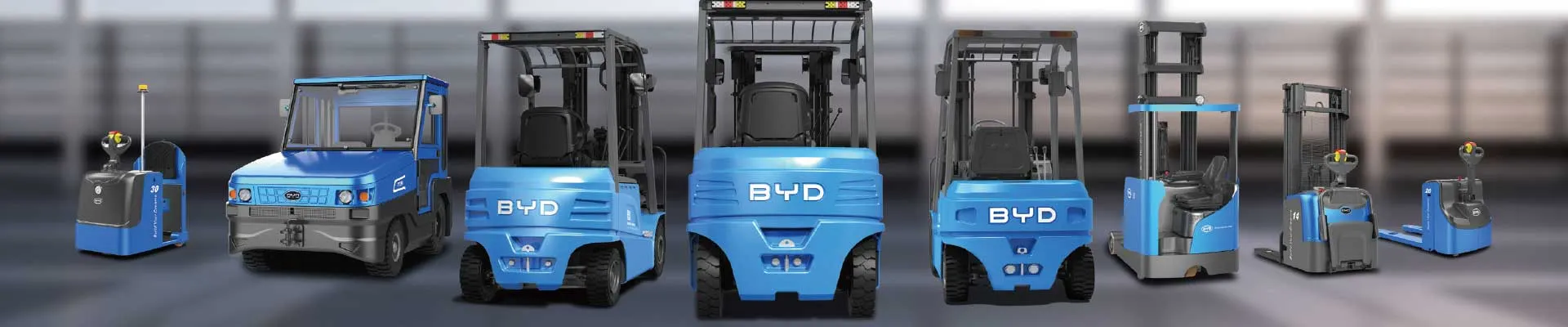
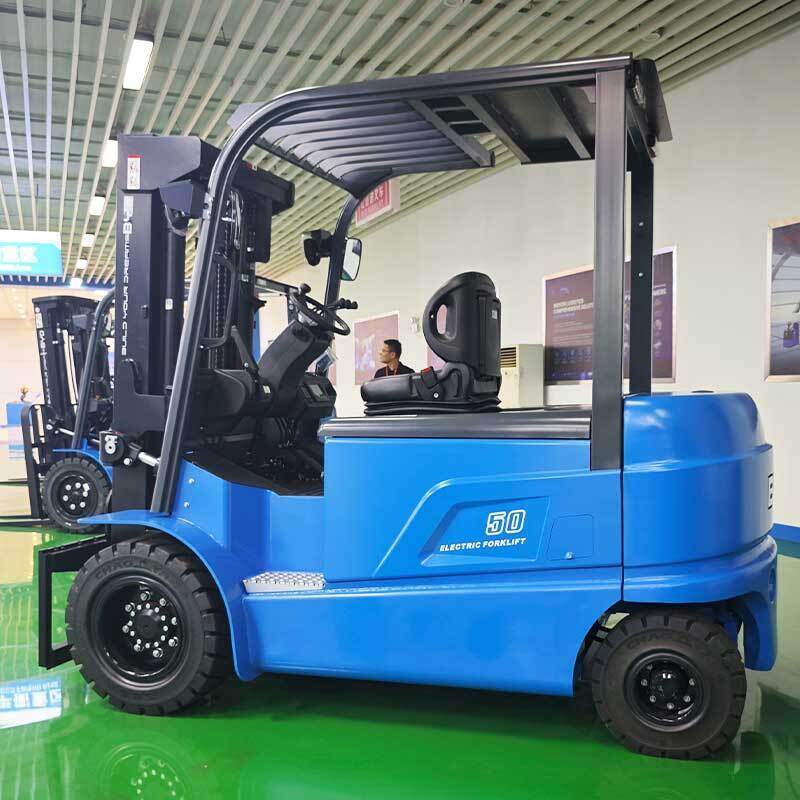
As the logistics and warehousing industry continues to pursue low-carbon, efficient operation modes, electric forklifts have become one of the most widely used material handling equipment for indoor operation scenarios in recent years. Mastering correct use and maintenance knowledge can help operators give full play to the equipment’s value while reducing hidden safety risks.
Core Performance Features of Modern Electric Forklifts
Unlike fuel-powered handling equipment, electric forklifts run on stored electric energy, which produces zero local exhaust emission during operation, and the overall noise level is much lower than fuel counterparts. Such performance features make them fully suitable for closed indoor warehouses, food storage areas, pharmaceutical distribution centers and other scenarios that have strict requirements for air quality and operating environment comfort. The power output of electric forklifts is smooth and adjustable, which can provide stable torque at low speed, avoiding sudden stalling or acceleration that may cause damage to goods or surrounding facilities.
Standardized Daily Operation Requirements
Before starting each shift, operators need to complete a full pre-inspection work, including checking the remaining power of the power unit, the sensitivity of the brake and steering mechanism, the wear degree of the forks and the integrity of the safety warning devices. During the operation, staff should strictly follow the rated load mark of the equipment, not carry over-weighted goods beyond the specified range. When moving in areas with frequent pedestrian movement, the operating speed should be kept at a low level, and sharp steering is not allowed on sloped driving surfaces to avoid side slipping risks.
Routine Maintenance Suggestions
Carrying out standardized daily maintenance can effectively extend the whole service life of electric forklifts. Operators need to clean the dust and debris accumulated at the motor heat dissipation inlet regularly to ensure the normal heat dissipation effect of the power system. For the energy storage unit, avoid long-term deep discharge that may cause irreversible damage to the internal structure, and supplement power in time when the remaining power drops to the reminding range. The movable connection parts of the equipment should be lubricated on schedule to reduce friction loss in the operation process. Operators can formulate targeted use plans according to the actual working scenarios, so as to obtain stable and reliable long-term use experience.


