
 简体中文
简体中文 Русский
 Français
 Português
 Español
 لالعربية
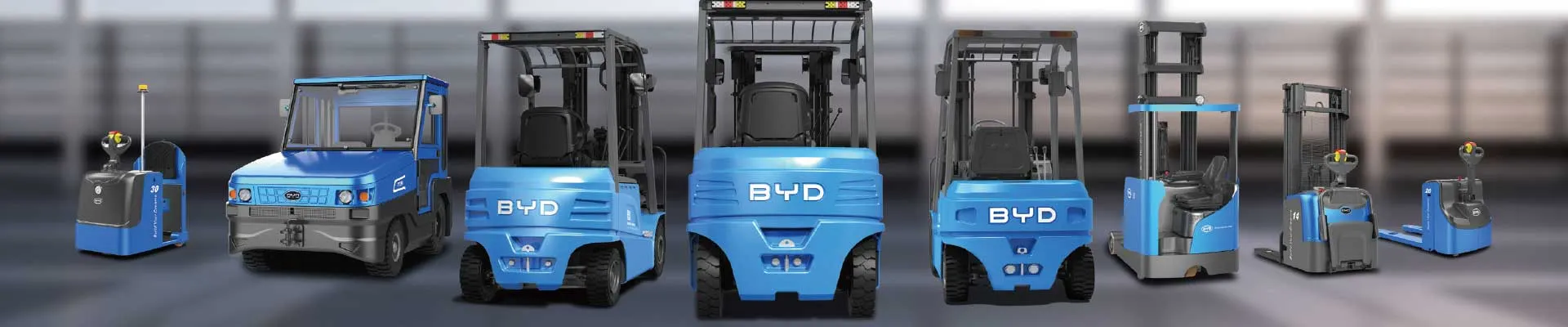
.jpg "Operator guidance for electric forklift operation on uneven floors(figure1)")
As more logistics and manufacturing scenarios involve non-paved working areas, aged warehouse floors, or outdoor temporary operation zones with potholes, following standardized operation guidance for electric forklifts on uneven floors is critical to avoid safety accidents and extend equipment service life.
Pre-operation Preparations
Before starting any operation on uneven floors, operators need to conduct full visual checks of the working route first, mark positions of obvious potholes, raised edges, loose gravel or other obstacles that may affect the stable movement of the vehicle. Then check the tire pressure and tire surface condition of the electric forklift, confirm there is no serious wear or foreign object stuck in the tire tread, which will reduce the vehicle's balance performance. You also need to confirm that the load is stably fastened on the forks, the center of gravity of the whole vehicle is kept within the allowable range of the load specification.
In-transit Operation Specifications
When driving on uneven floors, operators need to keep the running speed no more than 3km/h generally, avoid sudden acceleration or sudden braking actions that may cause the vehicle to shake or shift the load. It is not allowed to turn sharply in the pothole area or the road with large height difference, keep the steering angle gentle to ensure the body remains stable all the time. If the operation site has slopes with small gradient, the operator should keep the load facing the upper slope direction, not drive across the slope to prevent rollover risk. When passing small obstacles or potholes, you can slightly raise the front fork 10 to 15cm from the ground, and do not scratch the bottom of the vehicle or the pallet under the goods.
Emergency Handling Rules
If you feel obvious shaking or unbalanced tilt of the vehicle during driving, do not release the steering wheel suddenly, do not jump off the vehicle blindly, you should slowly decelerate in the original direction, and stop the vehicle at the nearest flat and stable area to check the cause. If the load shows signs of shifting, stop the operation immediately, adjust the fastening state of the load before continuing to move. Do not overload the electric forklift in uneven floor scenarios, even if the overload value is within a small range, the vibration generated by the uneven road surface will amplify the eccentric force of the load, which may lead to safety hazards.
After finishing the daily operation, the operator should park the electric forklift on the flat ground, lower the forks to the ground completely, turn off the power supply, and make a record of the abnormal conditions of the uneven road section encountered on the day, to remind subsequent operators to pay attention to relevant hidden dangers. Following these scientific operation rules can effectively guarantee the personal safety of operators, reduce equipment damage rate, and promote the smooth progress of on-site material handling work.


