
 简体中文
简体中文 Русский
 Français
 Português
 Español
 لالعربية
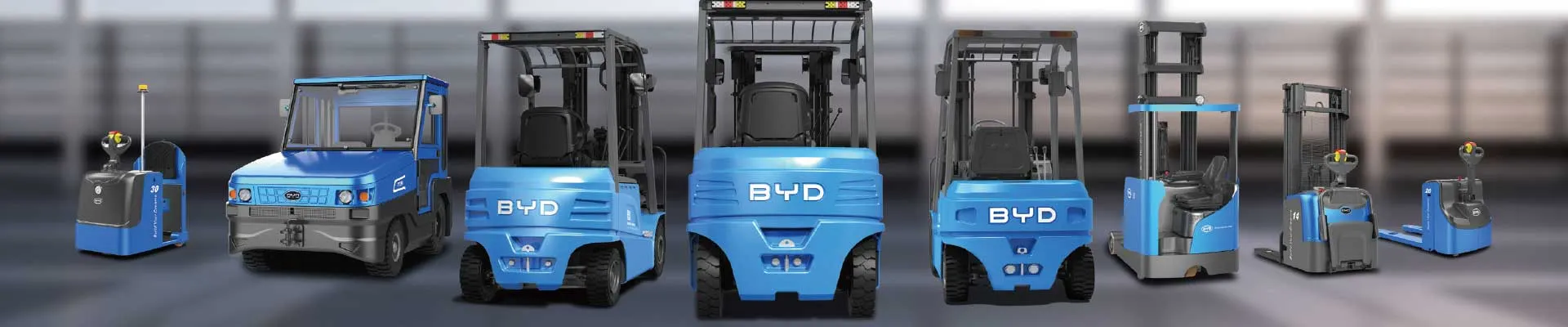
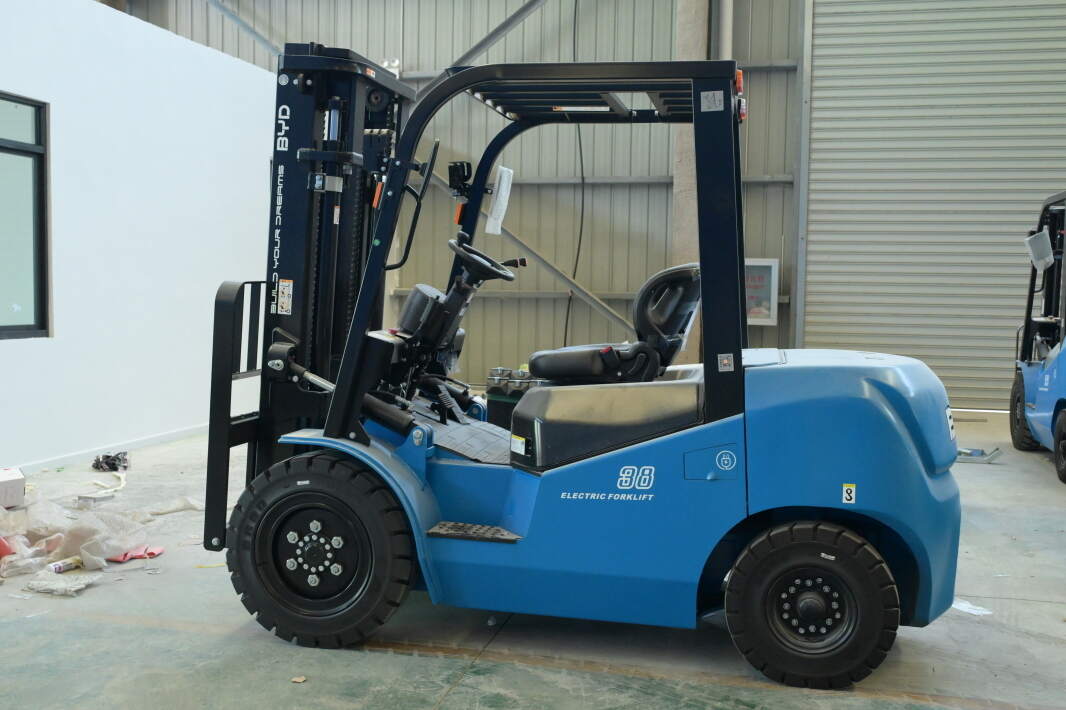
Electric forklift attachments are core functional accessories that expand the application scenarios of material handling equipment. Standardized operation of use and change can effectively avoid unnecessary equipment wear, reduce hidden safety hazards during handling, and ensure stable operation of daily logistics links. All on-site operators must receive targeted training before contacting attachment operation, and can only carry out related procedures after passing the assessment.
1. Pre-operation Preparation for Attachment Use
Before installing and using any attachment, operators must first check the overall appearance of the accessory, confirm there is no obvious deformation, crack or wear on the stress connection parts, verify that all locking pins, connecting bolts and hydraulic interfaces are kept in intact state, no oil leakage or loose failure exists. Operators also need to check the matching parameters between the selected attachment and the electric forklift body, confirm the rated load of the attachment matches the load limit of the forklift body, and never use mismatched accessories beyond the specified parameter range.
2. Standard Operation Rules for Daily Attachment Use
In the process of using the attachment, operators need to operate the control lever smoothly, avoid sudden acceleration or sudden reversing operation, prevent the goods from falling or the attachment from being impacted by instant force. During the handling process, operators should keep the running speed below the specified limit, maintain a safe distance of more than 0.5 meters from surrounding personnel, shelf pillars and other obstacles. Operators must not leave the driving position before lowering the attachment to the lowest safe position, and it is forbidden to use the attachment to carry personnel or do operations beyond its designed functional range.
3. Safe Steps for Attachment Change
When replacing different attachments, operators must first park the electric forklift on a flat hard site, turn off the power switch, pull up the hand brake, and pad the driving wheels with anti-slip stoppers to avoid accidental sliding. Release the residual pressure of the hydraulic system slowly before disconnecting the hydraulic pipeline, seal the exposed interfaces of the forklift and the replaced attachment with dust plugs in time to prevent dust and sundries from entering the oil circuit. After the new attachment is connected and locked, operators need to carry out no-load test run first, check that all actions of the attachment are sensitive and effective, and confirm there is no abnormality before formal operation.
4. Post-operation Management
After the daily operation is completed, operators should place the used attachment in the designated storage area, support the stress parts with cushion blocks to avoid long-term suspension deformation, and make complete operation and maintenance records for each use and replacement process. Regularly carry out wear detection and lubrication maintenance for the connection parts of the attachment, so as to find potential faults in time and reduce the failure rate of subsequent operations.


