
 简体中文
简体中文 Русский
 Français
 Português
 Español
 لالعربية
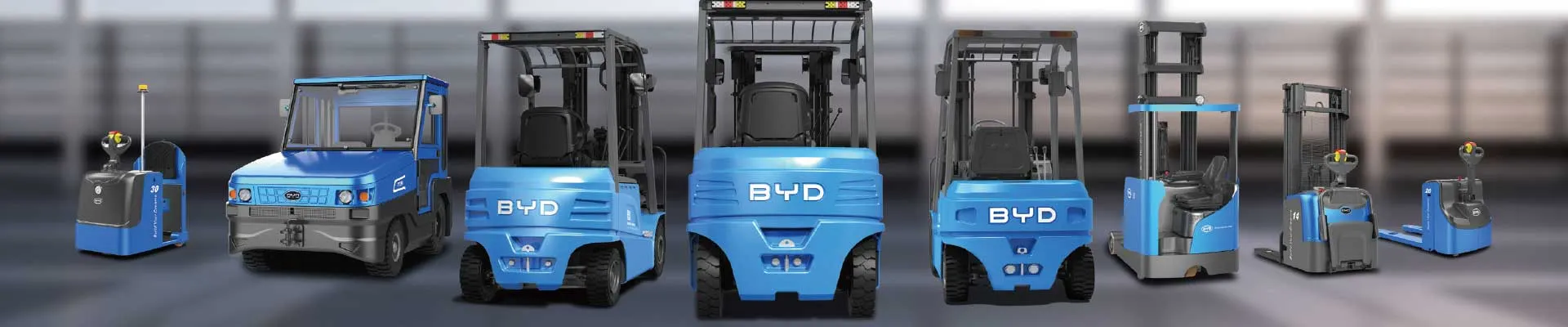
.jpg "How to train staff for electric pallet jack use in order-picking tasks(figure1)")
Order-picking is one of the core daily workflows in modern warehouse operations, and electric pallet jacks are widely applied in this scenario for their flexible control, zero local emission and low operation noise. Unstandardized operation not only causes unnecessary wear of equipment, but also may lead to collision, cargo slipping and other safety accidents, which will lower overall order fulfillment efficiency. A complete, targeted training system can help staff master proper operation skills smoothly without excessive learning cost.
Before arranging any practical operation, the training organizer shall first deliver basic theoretical courses for all participating staff. The course content covers basic structure of electric pallet jacks, rated load limit, daily pre-shift inspection checkpoints including battery power status, brake sensitivity, wheel wear condition and emergency stop function. Trainers shall also explain the basic operation rules in the order-picking area, such as specified speed limit, yielding rules for walking staff and no parking at fire escape passages. All the theoretical contents are presented with easy-to-understand cases of non-standard operation consequences, rather than boring text descriptions, to help trainees build safety awareness from the very start.
After all trainees pass the basic theoretical test, the trainer can carry out practical operation training step by step. The first stage is no-load operation practice, guiding trainees to get familiar with the control logic of accelerator, steering handle, brake and lifting switch in a spacious empty area, making sure they can flexibly complete operations like steady start, deceleration steering and accurate parking. The second stage is light-load operation practice, letting trainees operate the jack with standard cargo pallets to practice cargo loading and short-distance transferring, helping them get used to the weight feedback of loaded equipment. The third stage is order-picking scenario targeted training, teaching trainees to pull the hand brake steadily after stopping the jack at the designated picking position, arrange picked goods evenly on the pallet surface to avoid over-edge stacking and partial load, and check total load weight before moving to next picking position to avoid overloading.
After trainees master basic operation skills, the trainer can arrange simulation of common unexpected scenarios in order-picking areas, such as sudden pedestrian crossing the channel, partial wet ground and temporary stacked obstacles, to guide trainees to make proper emergency response without sudden braking or sharp steering. Finally, the comprehensive assessment combining theoretical test and practical operation shall be carried out, and only trainees who pass all assessment items can get independent operation permission. Enterprises can also arrange regular refresher training every 3 to 6 months, to correct bad operation habits formed in long-term repetitive work, and further consolidate safety operation awareness.


