
 简体中文
简体中文 Русский
 Français
 Português
 Español
 لالعربية
.jpg "Forklift Safety in Multi-Tenant Warehouses: Coordination Tips(figure1)")
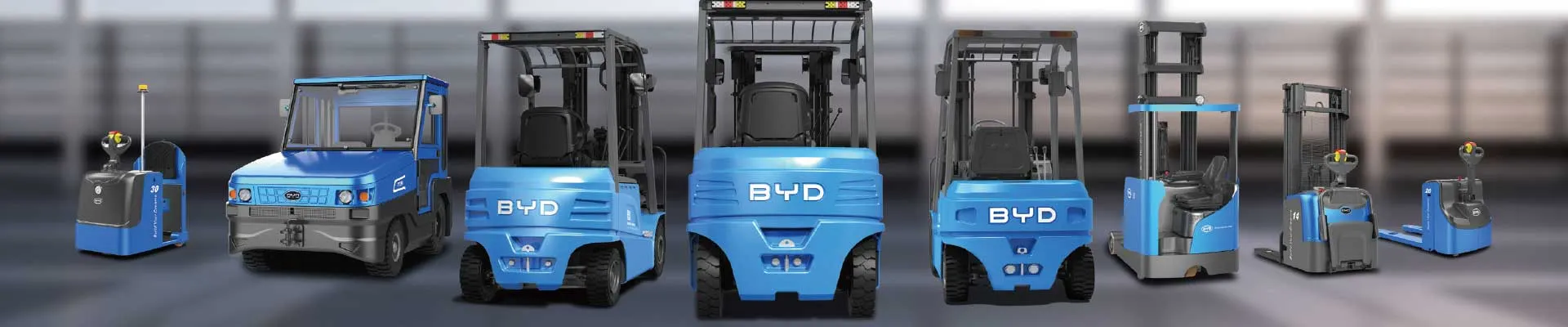
Against the background of rapid development of green logistics, electric forklifts have become one of the most widely used material handling equipment in various indoor storage and short-distance factory operation scenarios in recent years. As a professional practitioner with years of in-depth research in the electric forklift field, we sort out practical, industry-recognized application points to help relevant teams better utilize such equipment.
Core Application Advantages of Electric Forklifts
Compared with traditional internal combustion handling equipment, electric forklifts produce no exhaust emission at the operation site, and the running noise is kept at a relatively low level, which meets the environmental protection requirements of enclosed spaces such as food warehouses, pharmaceutical storage workshops and indoor e-commerce sorting centers. Its power system runs relying on electric energy, and the energy consumption cost per unit operation time is lower than that of fuel-powered equipment. The overall mechanical structure has fewer friction and wear parts of the power unit, which can effectively reduce the frequency of daily component replacement in long-term use.
Standardized Daily Operation Requirements
Before starting the equipment every shift, operators need to complete the necessary pre-shift inspection work, including checking the remaining power of the power battery, the sensitivity of the brake and steering system, the sealing performance of the hydraulic lifting component, and clearing the obstacles within the operation route. During the operation process, the actual load shall not exceed the rated load range marked by the equipment, avoid sudden steering or sharp braking when the load is lifted to a high position, and keep a safe distance from surrounding shelves and staff. It is not allowed to use the equipment to carry people or drive on the slope with excessive inclination, and cut off the main power supply in time when the operator leaves the operation position for a long time.
Routine Maintenance and Care Suggestions
For the daily maintenance of electric forklifts, the staff should regularly check the surface condition of the battery electrode, avoid the phenomenon of overcharging and over-discharging in the daily charging process, to extend the overall service life of the battery pack. The lubrication treatment of each moving hinge part should be carried out according to the specified cycle, check the hydraulic oil leakage condition of the lifting system regularly, and place the equipment in a dry and ventilated storage area when it is not used for a long time, to avoid the performance attenuation of the electrical components caused by extreme high or low temperature environment. Scientific application and maintenance of electric forklifts can effectively improve the turnover efficiency of material handling, and better match the current development trend of low-carbon and environmental protection of logistics operation.


