
 简体中文
简体中文 Русский
 Français
 Português
 Español
 لالعربية
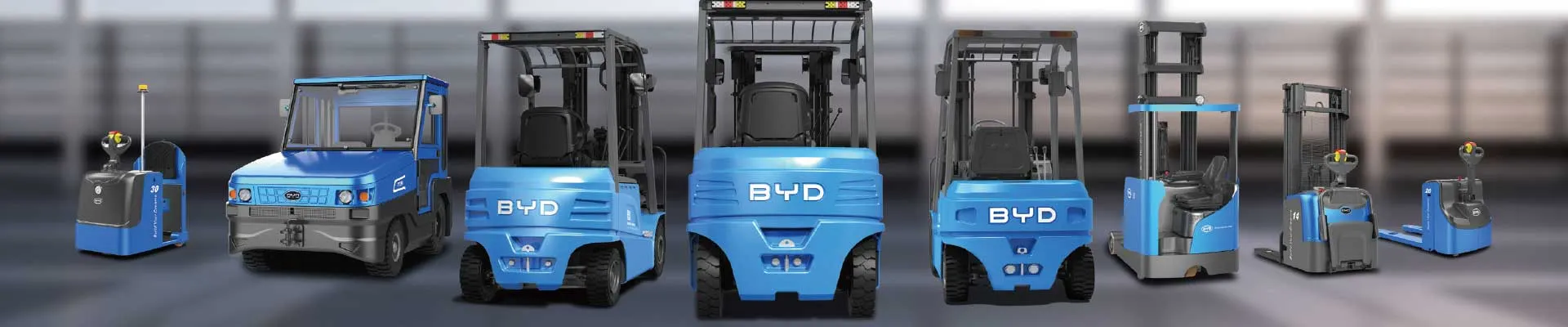
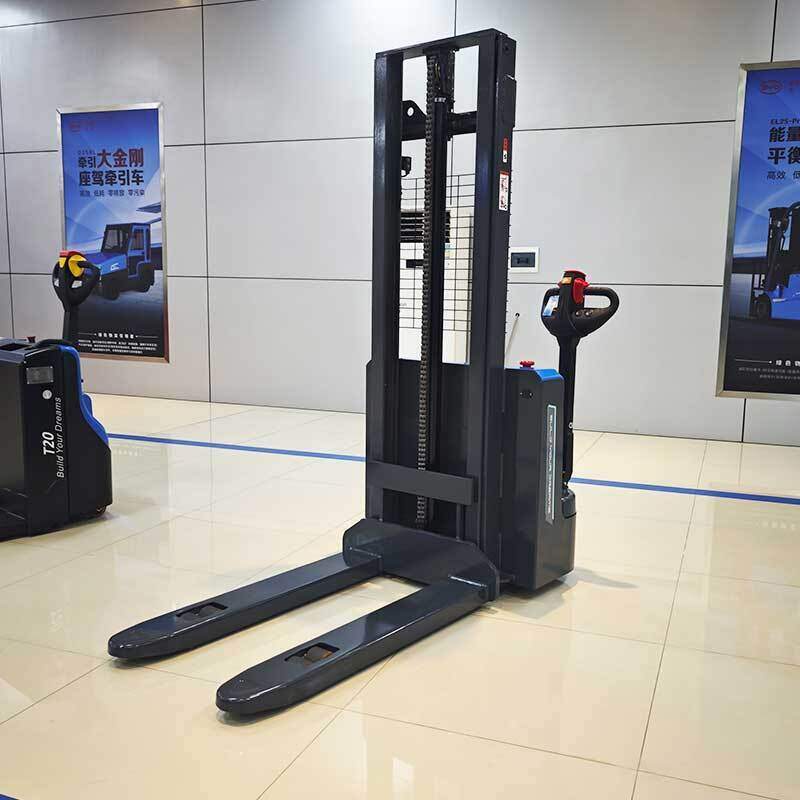
Against the background of continuous promotion of low-carbon industrial logistics, electric forklifts have become one of the most widely used loading and handling equipment in indoor storage, manufacturing workshops and distribution hubs. Different from traditional internal combustion forklifts, electric forklifts rely on electric energy drive, which has unique characteristics in operation logic, energy supply and daily management. This guide sorts out core practical knowledge of electric forklift application for relevant industry practitioners.
Basic Operation Specification for Daily Use
Operators need to receive pre-job systematic training before operating electric forklifts, and master the matching relationship between load center and maximum load capacity, to avoid the hidden danger of side rollover caused by over-limit loading. Before each start-up, operators need to check the remaining power status, brake sensitivity and lifting hydraulic system tightness, and confirm that there is no sundry blockage in the driving wheel area. When working in narrow warehouse aisles, operators should control the driving speed below the specified safety threshold, and give prompt reminder through sound and light signals when turning or crossing the shared operation area.
Routine Maintenance and Care Points
The core energy component of electric forklift needs to be charged according to the specified operation process, avoid long-term over-discharge or overcharge, and clean the dust on the surface of the power module regularly to maintain good heat dissipation effect. The transmission and walking system can be checked for wear degree of friction parts every fixed working cycle, and add suitable lubricant on demand to reduce operation resistance. Standardized regular maintenance work can effectively extend the overall service life of the equipment, and reduce the unexpected shutdown probability in the peak operation period.
Efficiency Improvement and Scenario Adaptation Tips
For different operation scenarios, the parameter setting of electric forklift can be optimized appropriately. For high-intensity continuous handling scenarios, you can formulate a reasonable battery rotation and charging scheduling plan, to avoid unnecessary operation interruption caused by insufficient power. For the narrow low-space operation scenarios, you can match the corresponding compact body model, to give full play to the advantages of no exhaust emission of electric forklift, and create a cleaner working environment for the internal operation area.


