
 简体中文
简体中文 Русский
 Français
 Português
 Español
 لالعربية
.jpg "Forklift Battery Incident Response: Steps for a Safer Facility(figure1)")
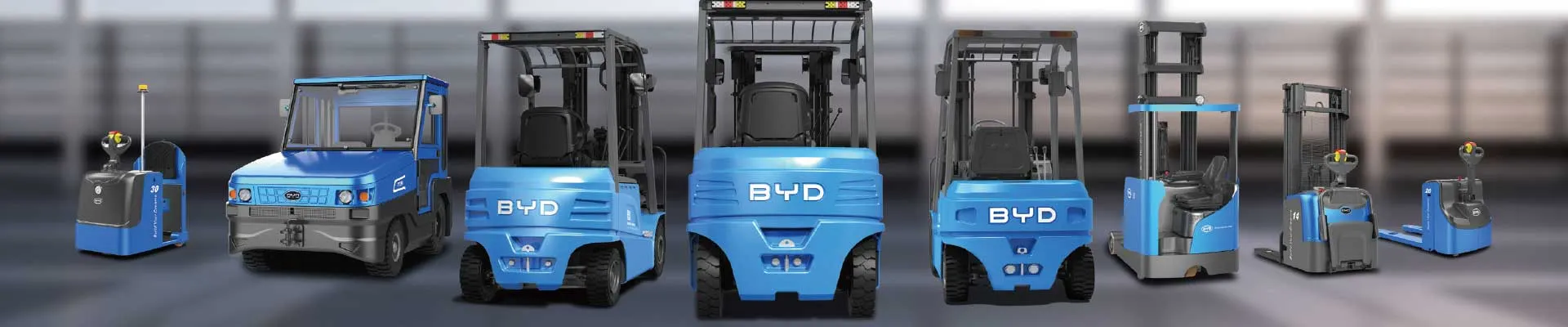
As low-carbon logistics solutions get more widely applied across various industrial storage scenarios, electric forklifts have become one of the most popular material handling equipment for enclosed working environments that require low emission and low noise. Many frontline operators and logistics managers need systematic and easy-to-follow guidance to make full use of such equipment, while avoiding unnecessary operational risks and extra expenditure.
Core Operational Specifications for Daily Use
Before starting any formal handling task, operators need to complete full pre-operation checks covering the brake system, warning indicator lights, tire condition and remaining power level, to rule out potential hidden hazards before the equipment is put into motion. During the operation process, operators should keep the actual load weight within the marked rated load range, avoid sudden steering or sharp braking actions that may cause unstable load falling, and keep a safe distance from surrounding staff, stacked goods and passage barriers. For narrow aisle operation, operators should adjust driving speed to a proper low level and activate the warning device in advance at blind corners to prevent potential collisions.
Routine Maintenance Points to Extend Service Lifespan
Regular daily maintenance work does not require overly complicated professional skills, but it can effectively reduce the frequency of unexpected failures. After each shift, operators need to wipe away dust, oil stains and residual debris on the vehicle surface, fork parts and ventilation openings, and check the connection status of the power system connectors to avoid poor contact caused by accumulated dust. It is also recommended to arrange regular professional inspections for the motor, hydraulic system and controller every 1 to 3 months based on actual usage frequency, to replace worn spare parts in time before they cause larger functional damage.
Energy Efficiency Optimization Tips for Long-term Usage
Proper usage habits can effectively extend the single-charge cruising range of electric forklifts, and reduce total power consumption in the full operation cycle. Operators can avoid frequent acceleration and deceleration on flat passageways, and keep driving speed stable within the economic speed range set by equipment design. When the equipment is not in use for a long period, operators should park the vehicle in a dry, ventilated area at normal temperature, and keep the power level in a reasonable mid-range instead of being fully discharged or connected to the charger for an excessively long time. Following the above practical guidance can help logistics teams get more stable material handling performance and better comprehensive use value from their electric forklift equipment.


