
 简体中文
简体中文 Русский
 Français
 Português
 Español
 لالعربية
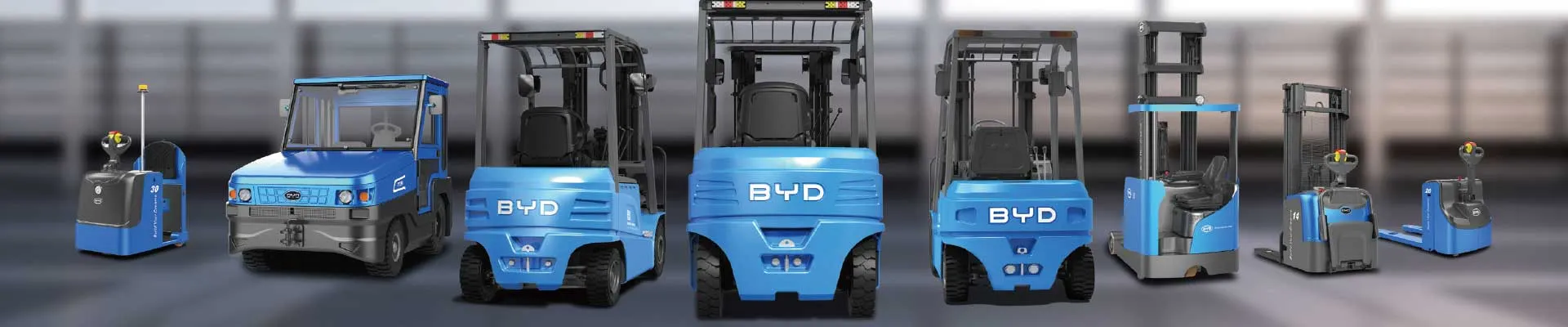
.jpg "Electric pallet truck operator warm-up and body-safety routines(figure1)")
As core material handling equipment widely used in warehouses, logistics distribution centers and retail storage sites, electric pallet trucks bring high efficiency for short-distance cargo transportation, but many frontline operators often overlook standardized warm-up arrangements and daily body protection habits during long-term repeated operations, which may lead to chronic occupational strain or accidental operation injuries over time.
Before starting each shift, operators should complete 3 to 5 minutes of gentle targeted stretching first. Start with neck and shoulder rotations to relieve the stiffness brought by long hours of maintaining fixed operation postures, then stretch wrist and elbow joints repeatedly for 2 to 3 rounds, to avoid sprains caused by frequent pulling or pushing of the control lever. Next, do slow waist twists and lower limb stretches, to activate the muscle groups that support standing or sitting for long periods of operation.
After finishing the physical warm-up, operators can carry out the pre-drive warm-up check for the equipment: walk around the whole vehicle to confirm no foreign objects are stuck in the wheel gaps, the pallet forks are not deformed, and the emergency stop button keeps sensitive. Then turn on the power supply, drive the vehicle at the lowest empty speed for 10 to 15 meters in the open operation area, test the steering response, braking sensitivity and lifting function of the forks, to get familiar with the equipment condition of the day, avoid sudden large maneuvers when the equipment is in unconfirmed status.
For daily body safety management, operators should stick to basic protection rules during the whole operation period. Wear non-slip and anti-smash work shoes as required, avoid wearing loose overalls, hanging accessories or keeping long hair loose, to prevent these items from being hooked by the protruding parts of the vehicle or cargo. When operating the equipment, keep a stable and balanced posture, do not tilt the body out of the vehicle body to observe the surrounding conditions, and keep both hands on the control lever when driving at a moving speed.
For continuous operation, arrange a 2-minute rest every 40 to 45 minutes, leave the operation position to walk around and stretch the limbs properly, to relieve muscle fatigue. Do not use personal body weight to assist in pulling or pushing overloaded goods, and do not force the vehicle to transport cargo that exceeds the rated load. Once you feel obvious soreness of waist, wrist or other parts during operation, stop the work in time for adjustment, and do not force yourself to keep on working, which may lead to secondary injury. These standardized routines do not take up too much extra working time, but can effectively reduce the probability of occupational strain and accidental injuries, create a safer and more secure working environment for frontline material handling operators, and support the stable and efficient operation of daily warehouse logistics work.


