
 简体中文
简体中文 Русский
 Français
 Português
 Español
 لالعربية
.jpg "Back Pain Prevention in Material Handling: The Role of Pallet Trucks(figure1)")
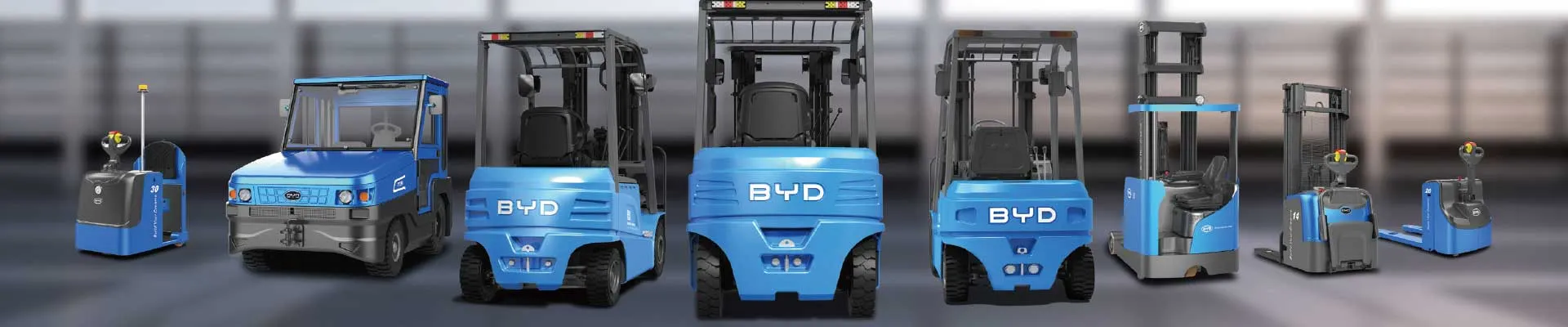
As a widely applied material handling tool in modern logistics, manufacturing and storage sectors, electric forklifts have gained growing popularity for their low noise, zero local emission and flexible operation features in recent years. Mastering correct usage and management methods can help enterprises give full play to the value of such equipment in daily operation.
Core Functional Features of Electric Forklifts in Industrial Scenarios
Unlike internal combustion counterparts, electric forklifts rely on power battery packs to provide driving and lifting energy, so they can operate stably in enclosed indoor spaces without producing exhaust gas that may threaten operator health or pollute stored goods. Most models are designed with compact body size, which can pass through narrow warehouse aisles smoothly and complete stacking, unloading and short-distance transfer work for goods of different weight classes. The whole operation process will not produce extra noise interference, which also fits the operation requirements of work scenarios that need to keep a quiet working environment.
Standardized Operation Specifications for Daily Use
Before starting each shift, operators need to conduct basic checks on the remaining power level, braking system, lifting mechanism and tire condition of the electric forklift, to rule out hidden faults that may cause safety risks during operation. When driving, operators should keep stable speed, avoid sharp steering or sudden braking, and adjust the lifting height of the goods properly according to the actual road condition to prevent cargo slipping off the forks. It is also not allowed to operate the equipment for overloaded work beyond the rated load range for a long time, which may cause extra wear of key components and shorten the service life of the equipment. Operators should also receive professional pre-job training to be familiar with the basic operation logic of different parts of the equipment before formal work.
Feasible Routine Maintenance Practices
After each daily operation, operators should park the equipment in the designated area, turn off the power supply, and clean the dust and sundries attached to the body surface and heat dissipation structure. For the power battery pack, follow the official charging guidance to complete the full charging cycle, avoid long-term over-discharge or over-charging behavior, and check the connection terminals regularly to keep them dry and clean. The regular lubrication of rotating parts such as bearings and hinge points should also be arranged according to the usage frequency of the equipment, to reduce friction loss between parts. Following the above reasonable operation and maintenance rules can effectively reduce the failure rate of electric forklifts, extend the overall service cycle of the equipment, and create more stable value for the daily material handling work of the warehouse.


