
 简体中文
简体中文 Русский
 Français
 Português
 Español
 لالعربية
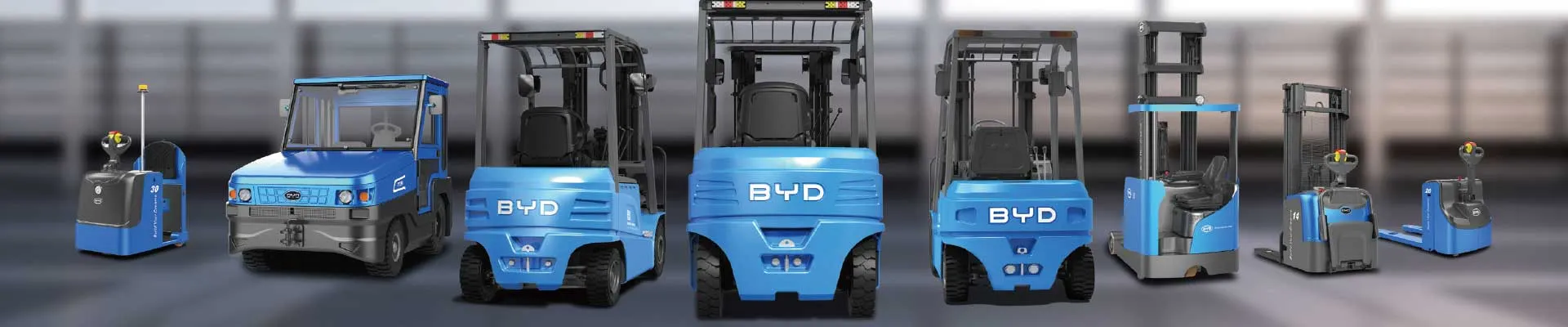
.jpg "What to know about electric forklift reverse-travel warning systems(figure1)")
When operating electric forklifts in confined warehouse spaces, distribution yards or production workshop material transfer zones, reverse travel operations account for a large proportion of daily low-speed movement. Limited rear visibility, blind spots caused by stacked cargo and sudden pedestrian passing make reverse travel one of the highest risk operation scenarios for electric forklift fleets. The reverse-travel warning system is a specialized safety accessory designed to address these hidden risks, and it has been widely adopted in standard electric forklift configurations in recent years.
The basic structure of a qualified reverse-travel warning system usually consists of multiple functional modules without extra redundant designs. The acoustic alert module will automatically activate the customized prompt tone as soon as the forklift gear is shifted to the reverse position, and the volume can be adjusted within a reasonable range to adapt to different ambient noise levels in work sites. The visual alert module will flash high-brightness warning lights at the rear of the vehicle to remind personnel in the blind zone that the forklift is moving backward. Some upgraded systems are also equipped with non-contact inductive components, which can send out enhanced prompt signals automatically when obstacles or moving pedestrians enter the preset sensing range behind the vehicle, further expanding the safety protection boundary.
Standardized daily maintenance of the warning system is necessary to keep it in good working condition for long term. Operators should check the output of the acoustic alert before starting the shift each day, to make sure the prompt tone is clear and can be clearly perceived by personnel within 5 to 10 meters behind the vehicle without causing excessive noise interference to surrounding workers. They should also wipe the surface of the visual alert light regularly to remove dust, cargo debris or accumulated frost in cold storage scenarios, to avoid reducing the warning visibility. Relevant management personnel should arrange regular professional inspection for the inductive modules every 1 to 2 months, to calibrate the sensing range and eliminate potential failures in advance.
There are also several common usage notes that deserve attention. Operators are not allowed to cut off the power supply of the warning system or cover the alert lights privately to reduce noise interference, which will directly remove the core safety protection for reverse travel operations. When selecting matching warning systems for existing electric forklift fleets, operators can choose corresponding models according to the actual application scenarios, such as selecting products with higher waterproof and dustproof grades for outdoor open yards, and selecting low-temperature resistant components for cold chain storage sites. Correct application and proper maintenance of the electric forklift reverse-travel warning system can effectively reduce the occurrence of unnecessary collision accidents, and build a more reliable and safe working environment for both vehicle operators and on-site staff.


