
 简体中文
简体中文 Русский
 Français
 Português
 Español
 لالعربية
.jpg "What role does forklift electrification play in supply-chain resilience(figure1)")
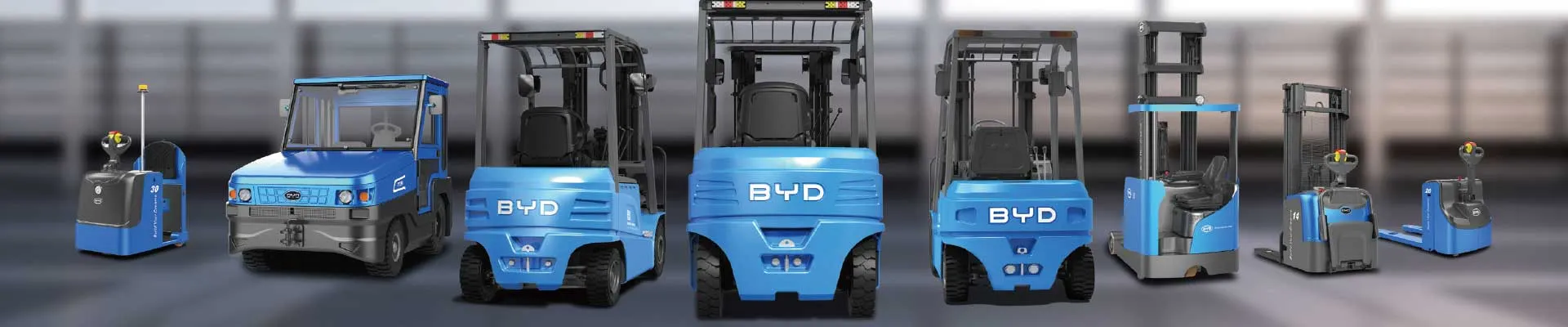
With the continuous promotion of low-carbon logistics and indoor material handling demands in recent years, electric forklifts have gradually become one of the most widely used handling equipment in various industrial and warehouse scenarios, and mastering correct use methods can give full play to its inherent performance advantages.
Core Performance Characteristics of Electric Forklifts
Different from traditional internal combustion handling equipment, electric forklifts are driven by power battery packs, which produce no exhaust emission during operation, and the overall noise level is far lower than similar fuel equipment, which can adapt to long-time indoor closed space operation scenarios, and will not cause discomfort to operators and surrounding staff in the working environment. Its power output can be adjusted smoothly according to different handling loads, which meets the operation demands of frequent start and stop in narrow warehouse passages.
Standard Operation Norms for Daily Use
Before starting each shift, operators need to check the remaining power level of the equipment, the flexibility of the lifting and steering structure, and the sensitivity of the brake system first, and confirm that there is no foreign matter stuck in the walking wheel structure before starting the equipment. During the operation process, operators need to keep the goods on the pallet within the rated load range of the equipment, avoid sudden steering or sudden braking actions when the goods are lifted to a high position, and keep a safe distance from surrounding shelves and staff to avoid accidental collision.
Necessary Routine Maintenance Measures
After the daily work is finished, operators should park the equipment in the designated charging area, lower the lifting frame completely to the lowest position, and wipe the dust and sundries on the surface of the equipment in time. The battery pack should be charged according to the specified operation process, and avoid long-term over-discharge or over-charging behavior. Regularly check the wear degree of the walking tires and the lubrication state of each transmission component, which can effectively extend the overall service life of the equipment and reduce unexpected failure rate in the working process.


