
 简体中文
简体中文 Русский
 Français
 Português
 Español
 لالعربية
.jpg "What digital twins could mean for electric forklift fleet planning(figure1)")
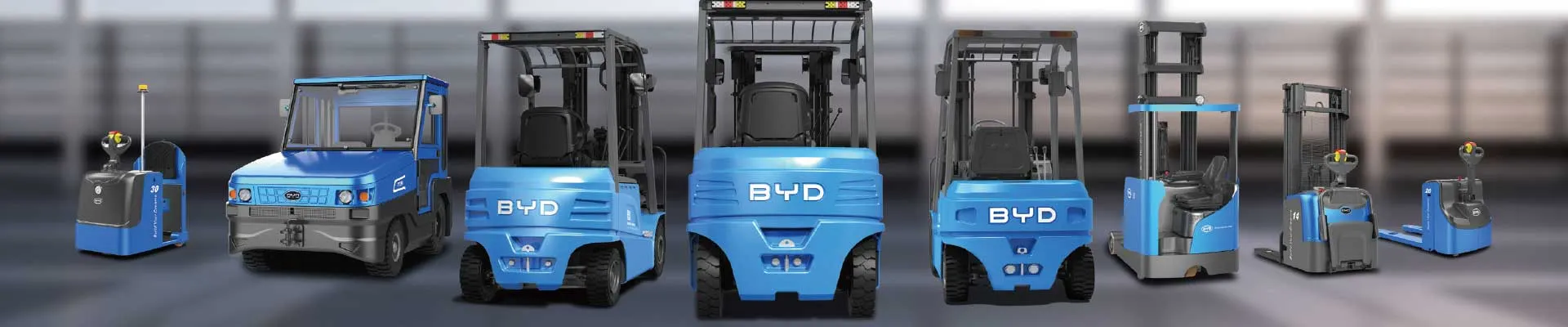
Against the background of continuous popularization of low-carbon logistics concepts in global industrial scenarios, electric forklifts have gradually become one of the most widely used material handling equipment in warehouse distribution, manufacturing workshops and port transfer scenarios. For frontline operators and equipment managers in the logistics sector, mastering systematic knowledge of electric forklift use and maintenance can effectively improve operation efficiency and control comprehensive operation cost.
Core Performance Characteristics of Electric Forklifts Suitable for Multiple Scenarios
Different from internal combustion handling equipment, electric forklifts rely on power battery modules to provide driving and lifting power, which produce no exhaust emission during the whole operation process, and can meet the environmental protection access requirements of closed scenarios such as food storage, pharmaceutical warehouses and indoor production workshops. The overall operation noise of qualified electric forklift products is kept at a relatively low level, which will not cause continuous noise interference to working staff in the long-term closed operation environment, and help create a more comfortable working environment for on-site personnel. Most electric forklift models have relatively compact body structure, which can flexibly pass through narrow operation channels in high-density shelf warehouses, and give full play to the space utilization advantage of three-dimensional shelf layout.
Standardized Operation Guidelines for Daily Use
Before each formal operation, operators need to complete necessary pre-inspection work, including checking the remaining power of the power system, whether the lifting hydraulic structure is unobstructed, whether the brake response is sensitive, and whether the operation warning light can work normally. During the operation process, operators need to follow the load limit mark of the equipment, not lift or transport goods beyond the rated load range, avoid sharp steering or sudden acceleration and deceleration when the goods are at a high lifting position, and keep a sufficient safe distance from surrounding shelves, personnel and other operation equipment. After the daily operation is completed, operators need to park the equipment at the designated charging position, lower the fork to the horizontal position close to the ground, and cut off the main power supply of the equipment before leaving.
Routine Maintenance and Daily Management Suggestions
For the core power battery component of electric forklifts, relevant management personnel shall arrange regular professional inspection according to the specification requirements of the equipment, avoid long-term over-discharge or over-charging of the battery module, and keep the surface of the battery and the surrounding ventilation environment dry and clean. For the transmission structure and hydraulic oil circuit of the equipment, regular lubrication and oil quality inspection work shall be arranged according to the service frequency, and aging parts that do not meet the safety use standard shall be replaced in time to reduce the potential failure rate in the subsequent operation process. Reasonable use and targeted maintenance of electric forklifts can give full play to the use value of the equipment, bring stable support for the daily operation of logistics and production scenarios.


