
 简体中文
简体中文 Русский
 Français
 Português
 Español
 لالعربية
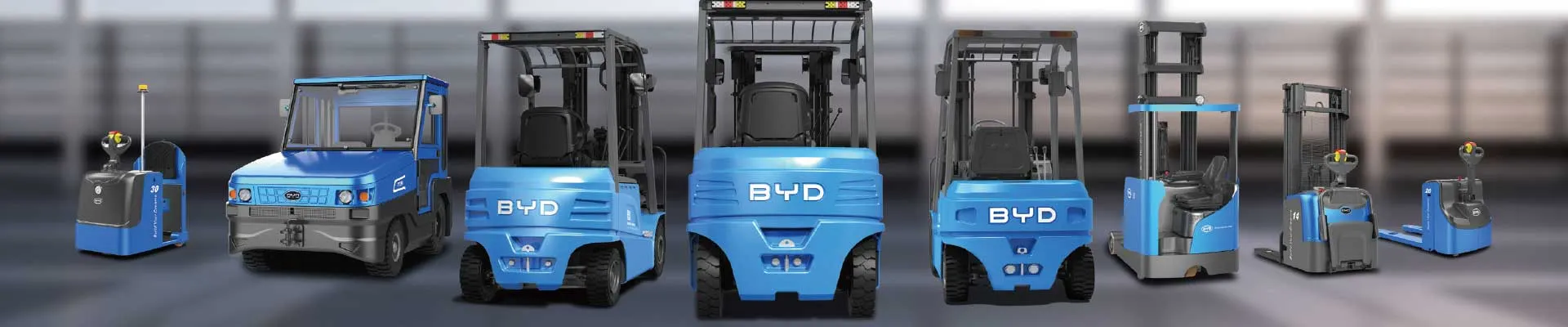
As the global warehousing and material handling industry accelerates the transformation of low-carbon, environmentally friendly operation modes, electric forklifts have become increasingly popular for indoor, closed-space and even semi-outdoor cargo transportation scenarios. Unlike fuel-powered forklifts, electric forklifts output power through high-efficiency energy conversion of stored electric energy, producing no exhaust emissions during normal working processes, and creating a quieter working environment for surrounding staff.
Core Functional Characteristics of Qualified Electric Forklifts
Modern standard electric forklifts have stable power output, with significantly lower vibration and noise during operation than traditional internal combustion equipment. This performance feature makes them more suitable for handling fragile, high-precision goods that require gentle operation, and can meet the environmental control requirements of clean workshops, food storage areas and other special scenarios where exhaust emissions are strictly restricted. For most small and medium-sized warehouses with daily operation time ranging from 4 hours to 10 hours, the hourly use cost of electric forklifts is at a relatively reasonable level compared with other types of handling equipment.
Scientific Routine Maintenance Practices
Daily maintenance of electric forklifts does not require overly complicated processes. After each shift, operators can clean up the dust, cargo debris and residual sundries on the vehicle body, wheel gaps and driving operation interfaces to avoid foreign objects affecting the normal movement of mechanical parts. Operators should regularly check the remaining power level of the energy storage unit, avoid long-term full discharge which may cause unnecessary impact on the service life of components, and follow the official recommended charging operation procedures. It is also necessary to check the tire wear degree, brake sensitivity and sealing performance of the hydraulic system on a regular basis, and arrange professional technicians to conduct in-depth inspections to eliminate hidden faults on a regular cycle.
Standard Operation Guidelines for Daily Use
Operators need to receive systematic pre-job skill training before formally operating electric forklifts, fully grasp the rated load parameters and applicable scenario limits of the equipment, and do not carry out overload handling operations beyond the specified range. When driving in narrow warehouse aisles, operators should keep a steady and slow speed, and always pay attention to the distribution of passing personnel and obstacles around. After the daily operation is completed, park the equipment in the designated fixed area, turn off the main power supply, and pull up the hand brake to avoid potential safety hazards. Reasonable operation and scientific maintenance can effectively extend the stable service period of electric forklifts, and help logistics-related enterprises improve the overall operation efficiency of material handling.


