
 简体中文
简体中文 Русский
 Français
 Português
 Español
 لالعربية
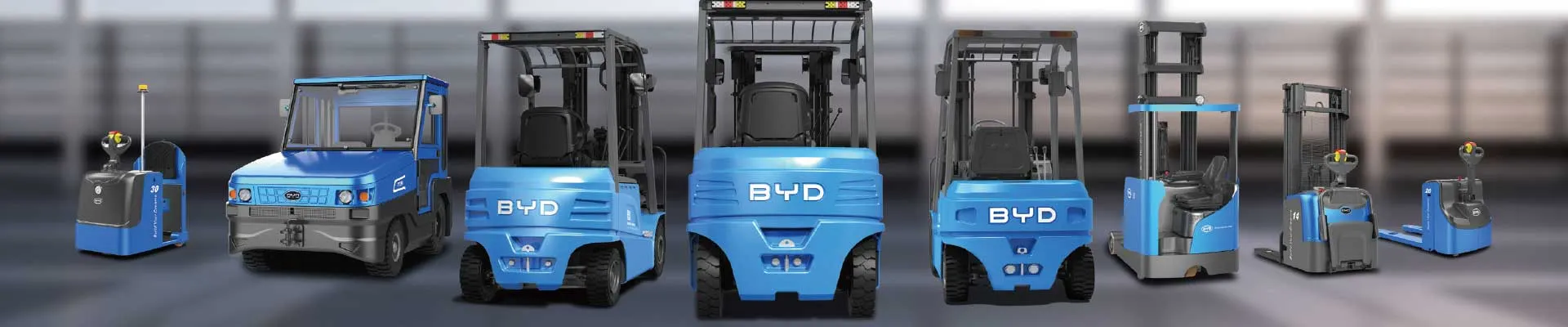
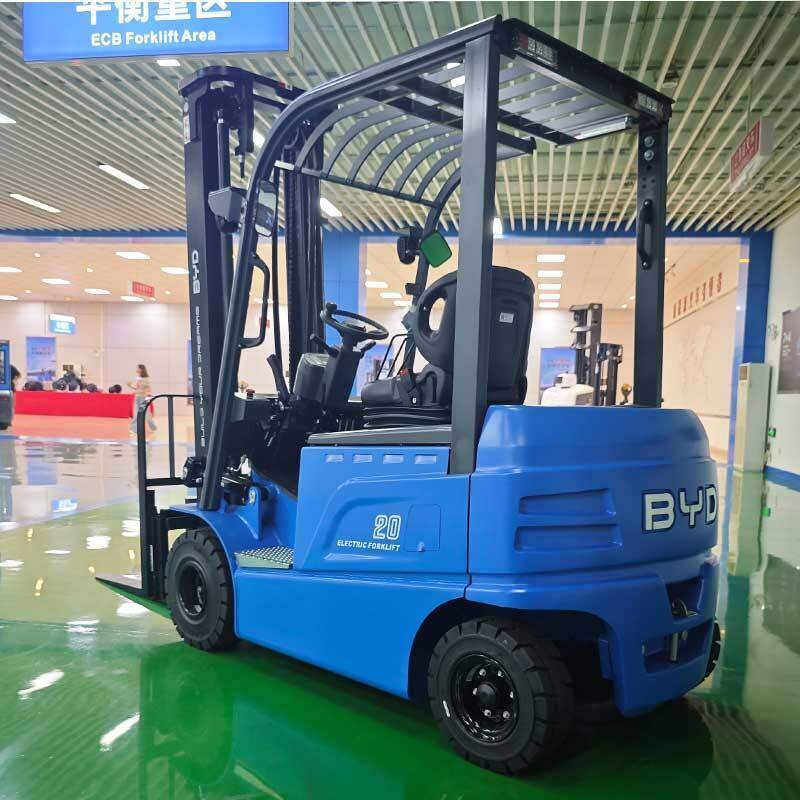
In recent years, electric forklifts have become one of the most widely used material handling equipment in closed warehouse, distribution center and retail storage scenarios, thanks to their low noise, zero local emission and easy operation features. For frontline operators and warehouse management teams, mastering standardized use and maintenance rules can bring multiple tangible benefits to daily operation, without extra unnecessary cost input.
Core Pre-operation Inspection Protocols
Before starting each shift of operation, operators need to finish a full range of basic check on the whole equipment, rather than directly start driving for tasks. It is advised to confirm the remaining power level of the power unit first, to avoid sudden power off at the middle of cross-warehouse transportation tasks. Then operators can check the flexibility of the brake system, the wear condition of fork surface and lifting chain, as well as the normal function of warning lights and sound alert devices. Any abnormal minor parts found during the check shall be recorded and reported to the management team in time, to avoid hidden safety risks in subsequent operations.
Energy Consumption Optimization Suggestions
Reasonable adjustment of operation habits can effectively extend the single charging duration of electric forklifts, and reduce the frequency of extra supplementary charging that breaks the normal operation rhythm. Operators can plan the operation route reasonably in advance according to the daily goods dispatch plan, to reduce long distance empty driving as much as possible. When the forklift is not executing lifting tasks, keep the fork at the fixed low position instead of staying at high height, which can cut unnecessary power consumption caused by continuous load bearing of the hydraulic system.
Routine Maintenance Guidance
Standardized daily maintenance can effectively extend the overall service life of electric forklifts, and reduce the frequency of unexpected equipment failures. Operators can regularly clean the dust and sundries accumulated around the motor cooling vents, to guarantee the normal heat dissipation effect during long time continuous operation. For power units, avoid frequent deep discharge to extremely low remaining power level, and finish daily charging in accordance with official operation rules. It is also necessary to check the hydraulic oil level and tire wear condition on a regular basis, to keep the equipment in stable working state all the time.
Scenario-based Safety Operation Rules
For different warehouse operation scenarios, operators need to adjust their operation habits accordingly to avoid unnecessary risks. When driving in narrow cargo aisles, keep the driving speed at a relatively low level, and trigger the alert device properly when turning or crossing the aisle intersection. Never carry irrelevant personnel on the forklift body, and avoid sharp braking and sharp steering when carrying heavy cargos. When driving on the sloped ramp inside the warehouse, keep the cargo facing the upper direction of the ramp to avoid slipping accidents. Following these basic rules can help the team give full play to the advantages of electric forklifts in daily material handling work.


