
 简体中文
简体中文 Русский
 Français
 Português
 Español
 لالعربية
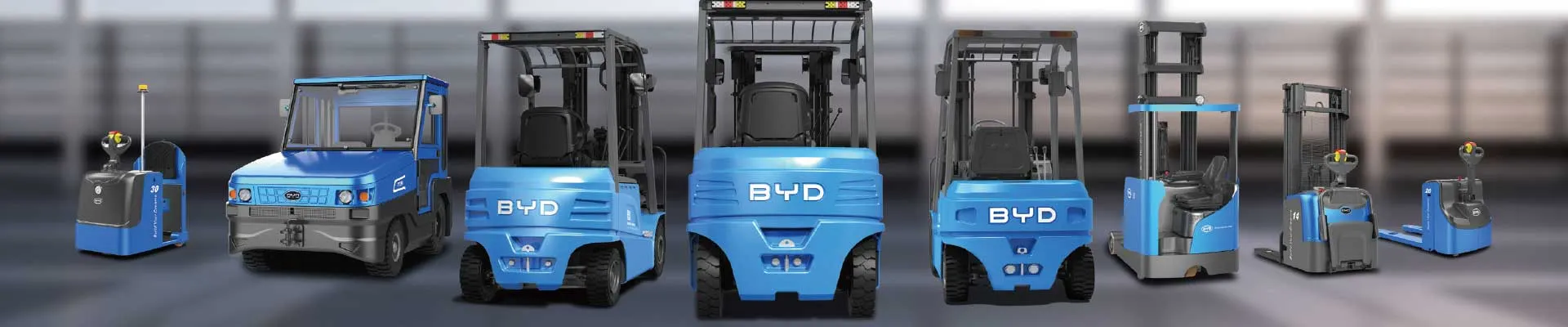
.jpg "Safe stacking of empty pallets with electric pallet truck equipment(figure1)")
Safe stacking of empty pallets is one of the most frequent routine operations in warehouse and logistics scenarios, and proper operation with electric pallet truck equipment can effectively reduce site safety hazards, improve space utilization and avoid unnecessary equipment wear. Before starting the stacking work, operators need to complete a full range of pre-operation checks first. They should confirm the electric pallet truck has sufficient remaining power for the whole operation route, check that the fork arms are free of bending, damage or foreign matter winding, and verify that the braking, lifting and steering systems of the equipment are in normal working condition. At the same time, operators need to check the state of empty pallets to be handled, and separate pallets with obvious breakage, missing support boards or loose nails from qualified ones, to prevent them from slipping or collapsing during the stacking process.
When operating the electric pallet truck to transport empty pallets to the designated stacking area, operators should keep a low driving speed, maintain a clear sight line, and keep a safe distance from surrounding personnel, shelves and other operating equipment. When the equipment is close to the stacking position, it should be parked stably first, then slowly lift the fork arms to align with the bottom of the empty pallet on the top of the existing stack, and adjust the position gently to ensure the pallets are placed in a fully aligned state, no overhang on any edge. The total height of the empty pallet stack shall not exceed the upper limit specified by the site safety management rules, so as to avoid the collapse risk caused by too high center of gravity. Operators should never stand on the fork arms to assist stacking, or pull the pallets by hands when the equipment is running.
After completing the stacking work, operators should lower the fork arms of the electric pallet truck to the lowest position, park the equipment in the designated charging and storage area, and sort out the sundries scattered on the surrounding passage. Regular safety training for operators can also help standardize daily operation habits, reduce the occurrence of misoperation, and build a more stable and safe material handling environment.


