
 简体中文
简体中文 Русский
 Français
 Português
 Español
 لالعربية
.jpg "How global supply chains affect lithium forklift component availability(figure1)")
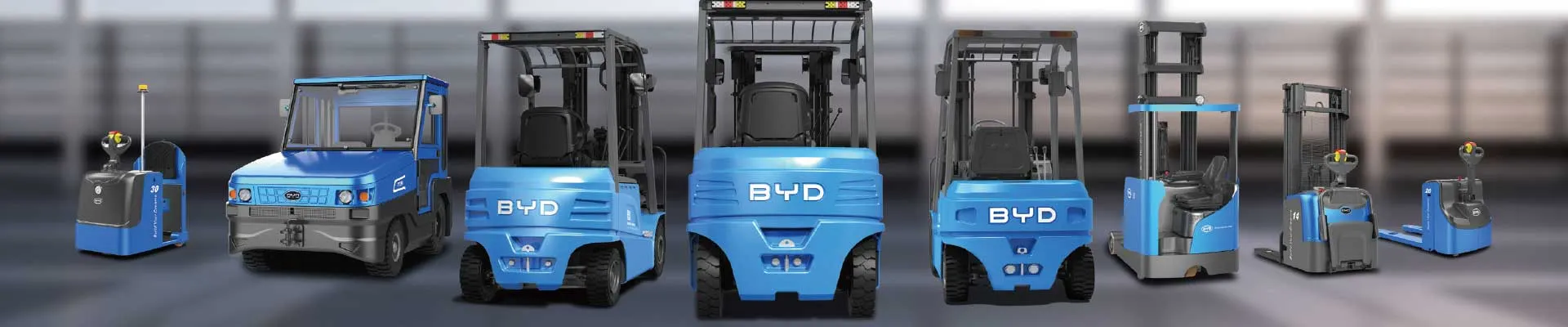
As low-carbon logistics development becomes a mainstream trend in the industrial material handling sector, electric forklifts have gained wide popularity across warehouse, manufacturing and distribution scenarios for their low noise, zero local emission and flexible operation features. Many frontline operators and logistics managers still need systematic guidance to maximize the value of such equipment in daily use.
Core Advantages of Modern Electric Forklifts
Compared with internal combustion counterparts, modern electric forklifts do not produce exhaust gas during operation, which makes them more suitable for enclosed indoor working environments with high air quality requirements. Their overall noise level during operation is far lower than that of fuel-powered models, which helps reduce occupational noise exposure risks for long-term operators. The power system of electric forklifts also features relatively fewer wearing parts, which lowers the threshold of regular daily care for on-site management teams.
Standard Daily Operation Protocols
Before starting each shift, operators need to complete a basic pre-operation check, covering the remaining power level of the battery, the flexibility of lifting and tilting mechanisms, the effectiveness of braking systems, and the normal working state of lighting and warning indicator devices. During operation, operators should avoid sudden acceleration or sudden steering as much as possible, keep a safe distance from surrounding personnel and stacked goods, and do not carry overload goods beyond the rated load range marked on the equipment specification. When the equipment is not in use, it should be parked on flat designated areas, the lifting fork should be lowered to a position 10 to 15 centimeters above the ground, and the power supply should be cut off in time.
Routine Maintenance Tips for Extended Service Life
For the battery core of electric forklifts, operators should follow the specified charging process provided by the equipment supplier, avoid over-discharging the battery to an extremely low power level before charging, and keep the surface of the battery pack clean and dry to avoid liquid corrosion. The transmission and braking system should be inspected regularly every 100 to 150 working hours, and add proper amount of special lubricant to the movable connection parts as needed. The outer shell and tire surface of the equipment should be cleaned in time after working in dusty or humid environments, to prevent debris accumulation from affecting normal operation performance.
Scene Matching Principles to Improve Work Efficiency
Before putting electric forklifts into use, the management team can match the corresponding load capacity and lifting height specifications of equipment according to the average weight of daily handling goods and the highest shelf height of the warehouse, to avoid performance mismatch that causes unnecessary efficiency loss. For scenarios with continuous high-intensity operation for more than 8 hours, teams can arrange reasonable battery rotation plans, to avoid work interruption caused by insufficient power supply in the middle of the shift. Proper matching between equipment performance and actual working scenarios can effectively optimize the overall operation flow of the entire logistics link.


