
 简体中文
简体中文 Русский
 Français
 Português
 Español
 لالعربية
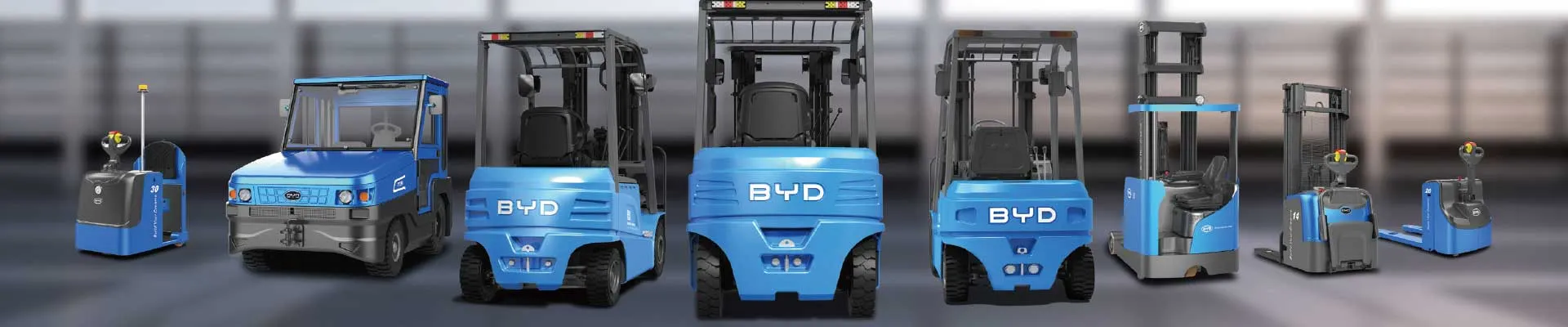
.jpg "How electric forklift fleets fit into zero-emission warehouse programs(figure1)")
As one of the core equipment of modern logistics storage, electric forklifts are widely recognized for their low noise, zero local emissions and flexible operation characteristics in various material handling scenarios. Mastering correct use and management methods can help relevant teams give full play to the equipment’s performance while reducing hidden operation risks.
Core Performance Characteristics of Electric Forklifts for Scenario Adaptation
Different from traditional internal combustion handling equipment, electric forklifts rely on on-board power systems to provide driving and lifting power, which can meet the use requirements of closed indoor warehouses, fresh food storage areas and other scenarios that have strict requirements for exhaust emissions and working noise. Most conventional models can complete the handling, stacking and short-distance transfer of heavy goods within the rated load range, and the operation threshold is relatively friendly for personnel who have received standardized training.
Standardized Operation Specifications for Daily Use
Before each start-up, operators need to check the residual power status, the flexibility of the lifting mechanism, the sensitivity of the braking system and the integrity of the safety warning devices first. During the driving process, keep the goods at a proper low position to avoid the high-lift driving state that easily causes the center of gravity of the vehicle to shift, and reasonably control the driving speed according to the ground condition and the surrounding pedestrian density in the working area. When stacking goods at a high position, the operator should adjust the mast inclination angle to a proper range to ensure the placement of goods is stable.
Necessary Routine Maintenance Measures
Daily maintenance work does not require complex professional skills, and most of the content can be completed by the on-site operation team. After each daily use, wipe the dust and sundries on the surface of the vehicle body, clean the sundries stuck in the gap of the wheel structure, and check the temperature of the power system after continuous high-intensity operation. Regularly check the wear degree of the transmission parts and the insulation performance of the circuit, arrange professional personnel to complete the standardized detection of the power battery module according to the specified cycle, which can effectively extend the overall service life of the equipment.
Common Misoperations to Avoid
Do not use the vehicle overload beyond the rated load range for a long time, which will cause irreversible loss to the load-bearing structure and power system. It is not recommended to store the equipment in an environment with extreme temperature for a long time, which will affect the normal performance of the on-board power module. Operators should not leave the driving position without pulling the handbrake and putting down the lifting goods completely to avoid accidental slip of the vehicle.


