
 简体中文
简体中文 Русский
 Français
 Português
 Español
 لالعربية
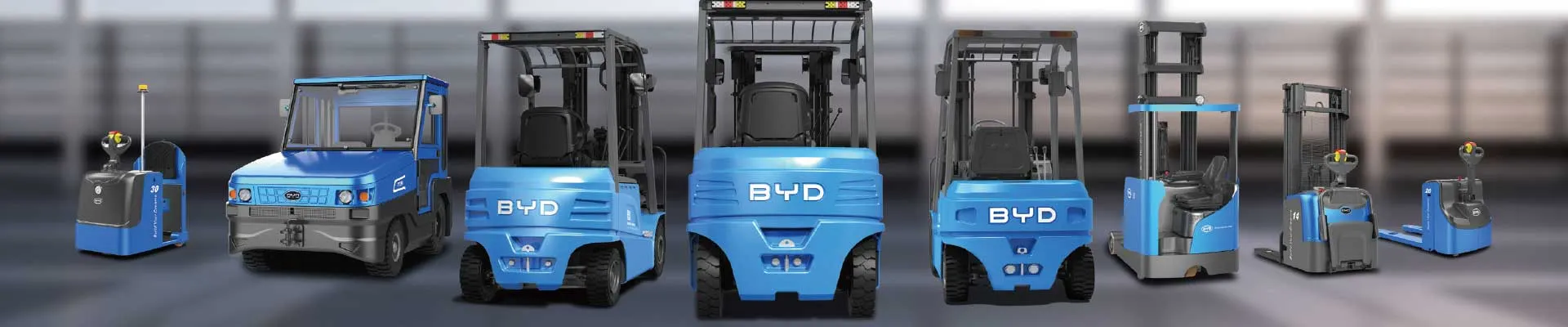
Electric forklifts are widely applied in modern warehousing and logistics scenarios, and most of their matching energy storage units will release trace hydrogen during the charging and static placement process. If hydrogen accumulates to a certain concentration without proper discharge, it will bring potential safety hazards to the entire storage area. Therefore, ventilation configuration as the core safety protection measure of the battery storage room must strictly follow corresponding industry requirements and official standards.
For the natural ventilation mode that many small and medium-sized storage sites prefer, the basic specification requires that the whole room can achieve at least 6 air changes per hour in the normal state, and the ventilation efficiency shall reach 10 air changes per hour during the peak charging period. All air inlets and outlets need to be arranged at two different height levels, the top exhaust outlets should be set at the highest point of the room to discharge the light-density hydrogen that tends to gather at the ceiling, and the total area of top exhaust outlets shall not be less than 1/30 of the floor area of the battery storage room. It is forbidden to set the battery storage area in a fully enclosed small space without reserved ventilation passages.
For sites that cannot meet natural ventilation conditions, the mechanical ventilation system needs to comply with more detailed standards. The exhaust system of the battery storage room must operate independently, and cannot be connected in series with the central ventilation system of other production or office areas in the building. The fan and connected ducts shall be treated with anti-static process to avoid static sparks during operation. The operation of the mechanical ventilation system shall maintain a slight negative pressure state inside the battery storage room, to prevent unfiltered hydrogen from leaking to adjacent work areas. The ventilation system shall also be linked with the hydrogen concentration detection device installed in the room, the system will automatically switch to full power operation and trigger audible and visual alarms when the indoor hydrogen concentration reaches 20% of the lower explosion limit.
In daily operation and maintenance, site managers need to arrange regular performance tests for the ventilation system at least once a month, clean up sundries stacked around the air inlets and outlets in time to avoid blocking the air flow channel. All test records of ventilation performance shall be archived completely for the inspection of relevant safety supervision departments. Standardized ventilation configuration can effectively eliminate hidden safety risks, create a stable operating environment for electric forklift batteries, and ensure the personal safety of all on-site operation personnel.


