
 简体中文
简体中文 Русский
 Français
 Português
 Español
 لالعربية
.jpg "Safety Margin When Specifying 3-Ton Forklift Capacity(figure1)")
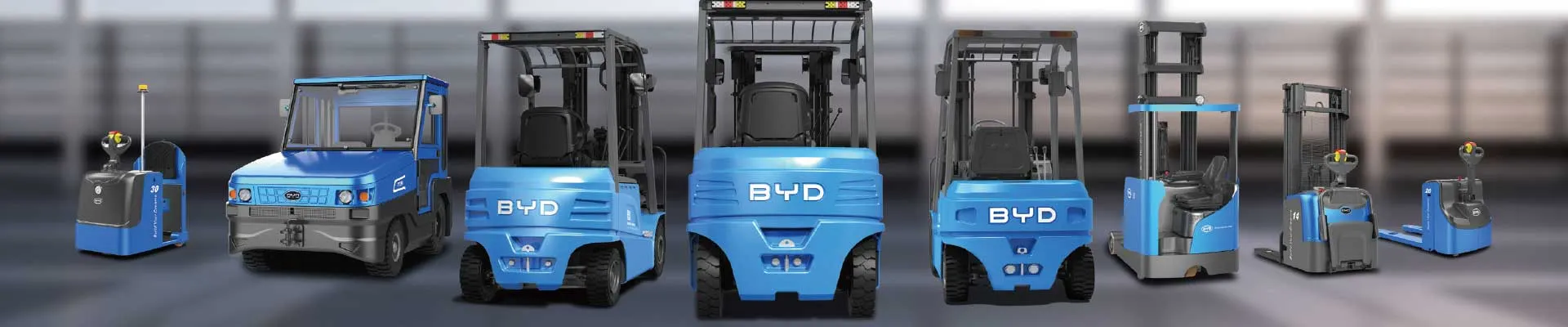
Against the background of growing demand for low-carbon and high-efficiency logistics operations globally, electric forklifts have gradually become one of the most widely used handling equipment in closed industrial scenarios such as warehousing, manufacturing workshops and distribution centers. Mastering correct usage and operation rules can help relevant personnel give full play to the value of such equipment, and avoid unnecessary operational risks in actual work.
Core Operational Features of Electric Forklifts
Compared with traditional internal combustion handling equipment, electric forklifts produce no exhaust emission during the whole operation process, and the average operating noise is kept at a relatively low level, which is very suitable for indoor enclosed working environments that have strict requirements for air quality and staff working comfort. The power system of electric forklifts usually has relatively stable output performance under conventional load conditions, and the vibration amplitude during operation is smaller, which can reduce the damage probability to fragile goods in the handling process to a certain extent. For long-term continuous usage scenarios, the energy consumption cost per unit running time of electric forklifts shows a relatively obvious advantage in most cases.
Daily Standard Maintenance Specifications
Routine maintenance work is an important link to maintain the stable performance of electric forklifts for a long time. Operators need to check the remaining power status of the power module before starting the equipment every day, and confirm that the connection terminals of the power part are free of foreign matter accumulation and abnormal heating marks. It is also necessary to regularly check the wear degree of the tire assembly, the sensitivity of the braking system, and the sealing performance of the hydraulic lifting parts, and timely eliminate hidden troubles such as oil leakage and part loosening found in the inspection. For the power storage part, follow the official recommended charging rules to avoid long-term over-discharge or overcharging, which can effectively extend the service life of the core power component.
Scenario-based Usage Optimization Suggestions
In different actual operation scenarios, adjusting the usage mode of electric forklifts according to the site conditions can further improve the operation efficiency. For narrow channel warehousing scenarios, reasonably control the driving speed of the equipment during steering, and reserve enough safety distance between the equipment body and the goods shelves on both sides. For low temperature working environments, take necessary heat preservation measures for the power module when the equipment is parked for a long time, to avoid the attenuation of power output performance caused by too low ambient temperature. For high-load continuous operation scenarios, arrange proper rest intervals for the equipment according to the rated load parameters, to avoid long-time overload operation which may cause extra wear of the core components. Following the above operation and management specifications can help enterprises give full play to the application value of electric forklifts, create a safer and more efficient material handling environment, and support the stable operation of the whole logistics link.


