
 简体中文
简体中文 Русский
 Français
 Português
 Español
 لالعربية
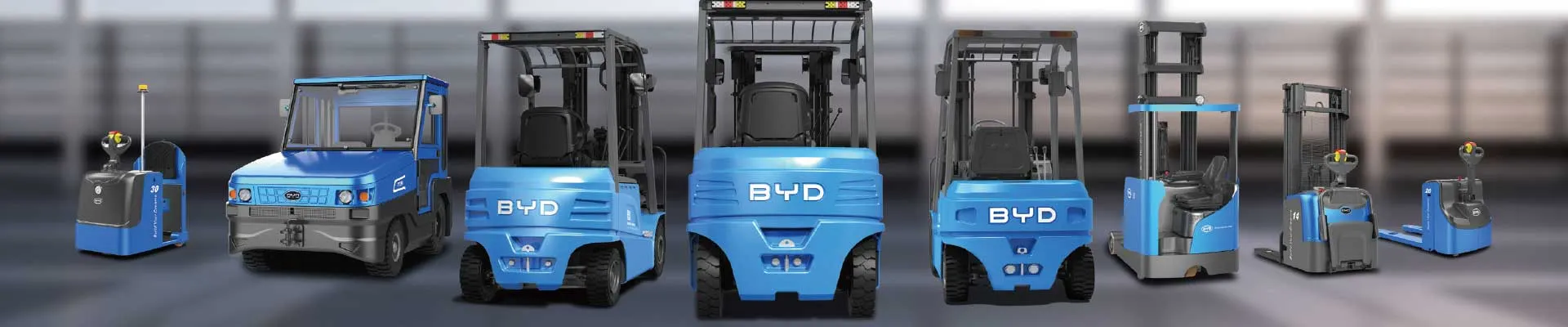
.jpg "Driving the EL30-Pro: Operator Experience and Controls(figure1)")
Against the backdrop of growing emphasis on low-carbon and efficient industrial operation, electric forklifts have gradually become one of the most widely applied material handling equipment in closed warehouse, port and manufacturing plant scenarios. This guide summarizes practical, field-verified knowledge points from long-term industry practice to help relevant practitioners master proper use methods.
Core Operational Advantages of Electric Forklifts
Different from internal combustion counterparts, well-calibrated electric forklift units produce no tail gas emission during operation, and generate relatively low running noise that will not cause extra disturbance to closed indoor working environment. The power output curve of electric drive system also provides smoother acceleration and deceleration performance, which reduces the risk of cargo slipping caused by sudden movement during frequent short-distance handling operations. This performance feature makes electric forklifts more suitable for scenarios that have strict requirements on indoor air quality and operation comfort.
Standardized Daily Operation Guidelines
Operators need to complete pre-use inspection before starting each shift, including checking the remaining power level of the power unit, the flexibility of lifting and tilting hydraulic components, and the sensitivity of braking and steering systems. During operation, personnel need to keep the load center within the rated load range specified in the operation manual, avoid overhigh lifting of goods when driving on uneven ground, and do not allow unrelated personnel to ride on the forklift body at any time. After finishing daily work, operators should park the vehicle in the designated area, lower the fork to the horizontal position, and cut off the main power supply of the equipment.
Routine Maintenance Points for Long-term Stable Use
Daily maintenance work does not require overly complex professional skills. After each use, operators can wipe the dust and accumulated debris on the body surface, clean the ventilation grooves of the power system, and charge the equipment in accordance with the specified charging process in the dedicated storage area. Regular professional inspection of electrical connection points, tire wear status and hydraulic oil level can effectively reduce the probability of sudden failure during peak working hours, and extend the overall service cycle of the equipment to a large extent.
Energy Efficiency Optimization Suggestions
For scenarios that require long-time continuous operation, reasonably arranging the travel route to avoid repeated turns and long-distance reverse driving can reduce unnecessary power consumption. Properly adjusting the lifting height according to the actual stacking height can also reduce the extra energy output brought by unnecessary high lifting, which can help the equipment support longer continuous working time under the same full power condition.


