
 简体中文
简体中文 Русский
 Français
 Português
 Español
 لالعربية
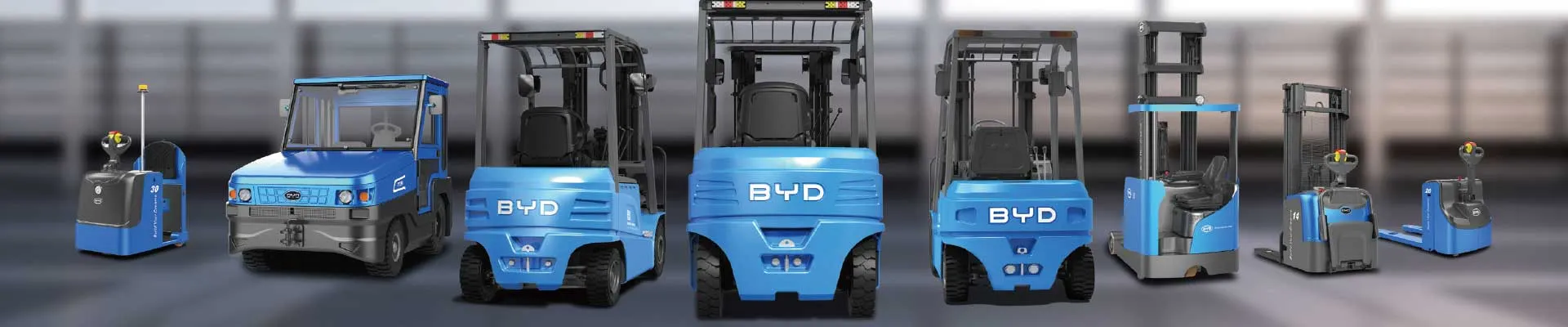
.jpg "Choosing EL50-Pro for Heavy Two-Shift Operations(figure1)")
As a senior practitioner with years of experience focusing on electric forklift technical popularization and scenario application, this guide sorts out field-verified practical knowledge for warehouse and logistics operators to help them make full use of this type of material handling equipment.
Core Advantages of Electric Forklifts in Common Logistics Scenarios
Compared with traditional fuel-powered handling equipment, electric forklifts produce zero on-site exhaust emissions, which makes them fully applicable to enclosed indoor warehouses, cold storage areas, and food or pharmaceutical processing scenarios that have strict requirements for on-site air quality. Their low-noise operating system also helps maintain a relatively comfortable working environment for on-site staff, avoiding excessive noise interference that may cause unnecessary operational errors during peak logistics periods. The overall energy consumption cost per hour of normal operation is relatively lower than that of fuel-powered counterparts, which fits the long-term cost control needs of daily warehouse operation.
Standardized Operation Guidelines for Electric Forklift Operators
Before starting each work shift, operators need to complete a basic pre-operation check, including the remaining power status of the power system, the flexibility of the lifting and steering mechanism, and the integrity of the safety warning lights and prompt horn. During formal operation, staff should keep the load center within the allowable range specified in the official equipment manual, avoid sharp turns when carrying heavy loads, and do not lift personnel with the forks to perform high-altitude operations. When the equipment is idle for more than 10 minutes during working hours, the operating handle should be reset and the main power supply should be turned off to avoid unnecessary power loss.
Routine Maintenance Tips to Guarantee Stable Long-term Performance
Cleaning the equipment body regularly after each shift will prevent accumulated dust and scattered cargo debris from entering the moving parts and causing extra component wear. The power battery pack should be charged in accordance with the corresponding official operation instructions, avoid long-term deep discharge that drains all remaining power, and arrange regular professional inspections of all electrical connection points to prevent loose wiring from causing potential safety hazards. Regular lubrication of the transmission and lifting parts according to the suggested cycle from the equipment supplier will effectively reduce component friction, extend the overall service life of the equipment, and reduce unexpected downtime during peak operation periods. Following these practical guidelines can help warehouse teams build a safer and more efficient on-site operation system.


