
 简体中文
简体中文 Русский
 Français
 Português
 Español
 لالعربية
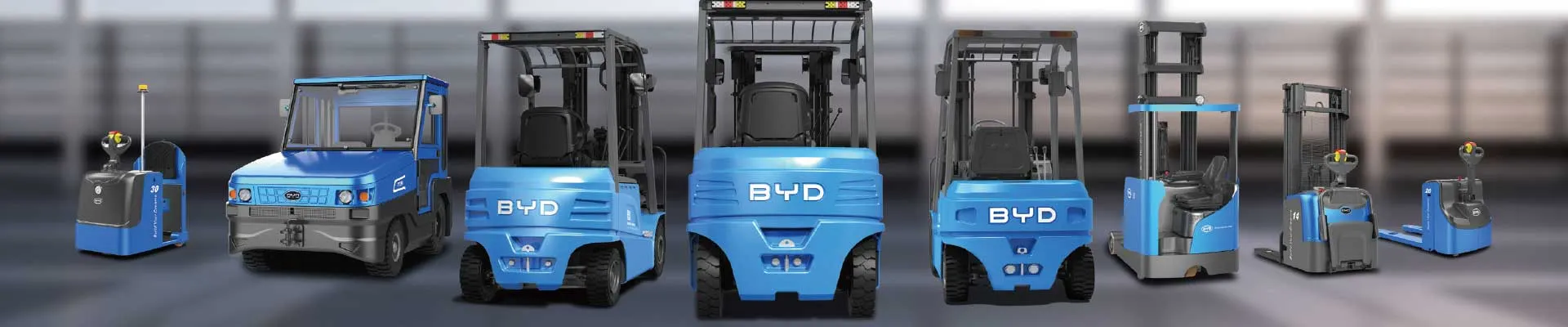
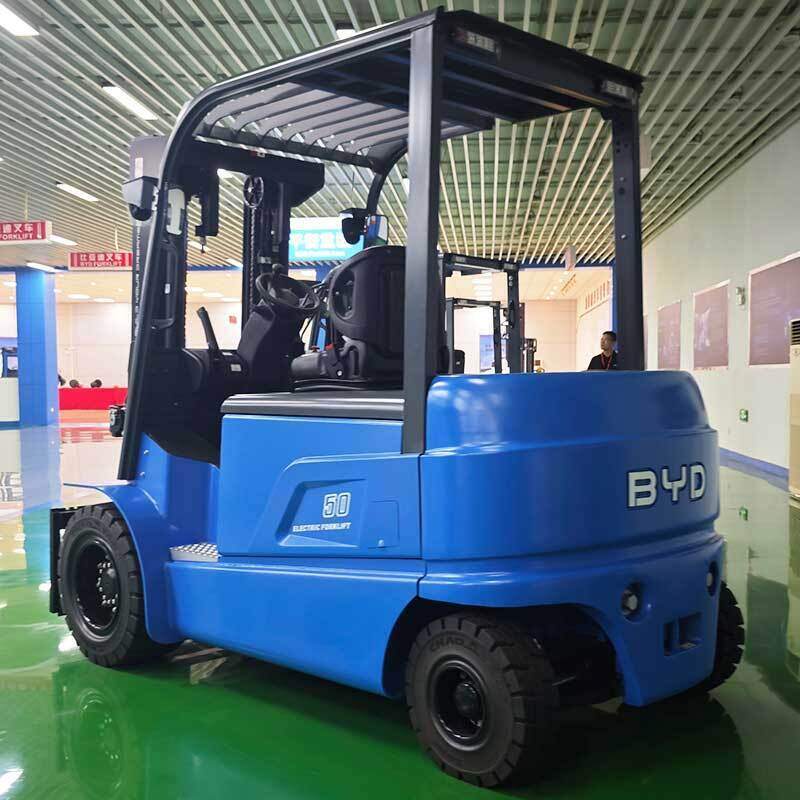
Against the background of growing demand for low-carbon and low-noise logistics operations, electric forklifts have become one of the most widely used material handling equipment in indoor storage, manufacturing workshop and cold chain circulation scenarios in recent years. Compared with internal combustion counterparts, such equipment produces no tail gas emission during operation, and brings better operating comfort for frontline operators with lower noise output.
Core Application Scenarios of Electric Forklifts
Most standard electric forklift models can adapt to common flat ground operating environments in ordinary warehouses, while the optimized compact body design can also pass through narrow aisles below 1.8 meters to complete high-position goods access work for shelves above 10 meters. Such equipment can also work stably in low-temperature cold storage scenarios within a specific temperature range, as long as the matching low-temperature resistant battery components are selected according to actual usage needs. Operators can select corresponding configuration parameters according to their usual average load weight, maximum lifting height and passage width, to avoid performance waste or insufficient power caused by mismatched parameters.
Daily Routine Maintenance Tips for Long-Term Stable Performance
Regular daily maintenance work can effectively reduce the failure rate of electric forklifts and extend the overall service cycle of the equipment. Before each start-up, operators can check the remaining power level of the power unit, the wear degree of the driving wheels and the flexibility of the lifting hydraulic system, and deal with minor abnormal conditions in time instead of dragging to cause larger component damage. For the core power battery part, avoid full discharge operation as much as possible, and complete the full charging process in a dry and ventilated dedicated charging area in accordance with the specified operation steps, to avoid potential safety hazards caused by improper charging behavior.
Standardized Operation Specifications to Reduce Potential Safety Risks
In the actual operation process, operators should strictly control the load within the rated bearing range, avoid overloading that may cause the goods to fall or the equipment to tip over. During the driving process, keep a proper safe distance from surrounding passing staff and shelf facilities, slow down when turning or passing through areas with poor sight lines, and do not carry extra people on the equipment that is not designed for passenger carrying. After the daily operation is completed, park the equipment in the designated special parking area, lower the lifting fork to a position close to the ground, and cut off the main power supply of the equipment to avoid accidental touch by irrelevant personnel.


