
 简体中文
简体中文 Русский
 Français
 Português
 Español
 لالعربية
.jpg "Cargo Lift Design: Platform, Loads and Safety Features(figure1)")
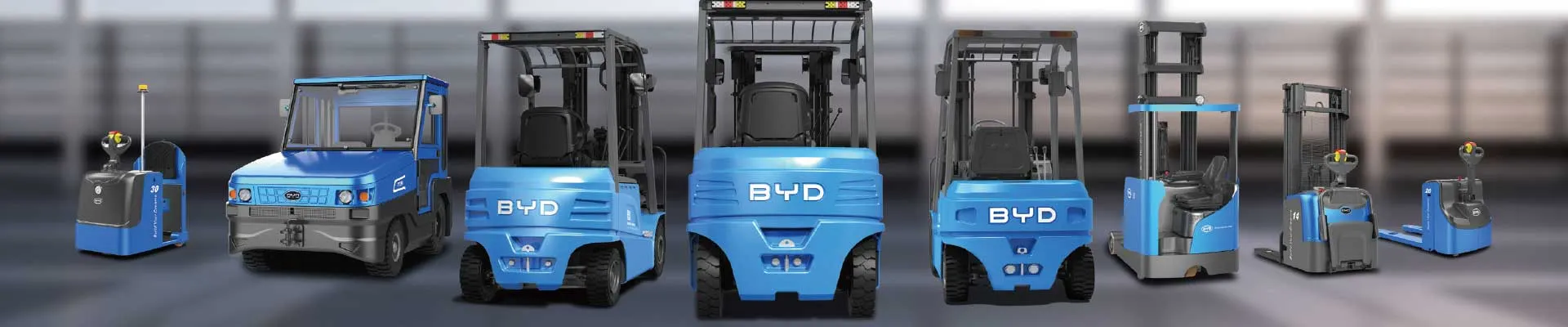
Electric forklifts have become one of the most widely used material handling equipment in modern indoor storage, logistics distribution and manufacturing workshops, as the industry continuously promotes low-carbon operation goals. Compared with traditional internal combustion models, electric forklifts show more stable operation performance and lower operation noise in closed working scenarios, which can adapt to diversified cargo handling demands for light, medium and heavy load levels.
Key Performance Characteristics of Electric Forklifts
Most modern electric forklifts adopt high-efficiency energy supply systems that produce no exhaust emission during operation, which can meet the environmental protection requirements of closed warehouse spaces with high air quality standards. The whole vehicle control system is designed with humanized operation logic, which reduces the operation learning threshold for new operators to a certain extent, and the adjustable driving speed setting can match the operation rhythm of different working areas to avoid unnecessary impact on stacked goods and personnel passing routes. The compact body structure can also adapt to narrow channel operation demands in some high-density shelf layout warehouses.
Standard Daily Operation Norms
Before starting the equipment every day, operators need to check the remaining energy level of the power system, the flexibility of the steering component, the braking response effect and the integrity of the safety warning lights, and record the related inspection status according to the internal management rules of the workplace. During the operation process, operators need to control the load within the rated range of the equipment, avoid sudden acceleration or emergency braking on the smooth operation channel, and keep a safe distance from surrounding personnel, shelf structures and stacked goods to prevent accidental scratching or collision. When the equipment is not in use, it should be parked in the designated area, the working arm should be lowered to the proper height, and the power supply should be turned off completely to avoid unnecessary power consumption.
Routine Maintenance Guidelines
Daily maintenance work does not need to carry out too complicated disassembly operation, the core work covers cleaning the dust and sundries attached to the surface of the equipment body, checking the connection tightness of the power line interface, and cleaning the sundries stuck in the driving wheel gap regularly. Regular professional inspection work can be arranged every 3 to 6 months according to the actual use frequency of the equipment, to check the wear degree of the braking system, the attenuation status of the power performance, and adjust the operation parameter settings properly, so as to keep the equipment in a good running state for a long time. Proper use and maintenance can effectively reduce the failure rate of the equipment, create a more stable and efficient material handling environment for the whole working scene.


