
 简体中文
简体中文 Русский
 Français
 Português
 Español
 لالعربية
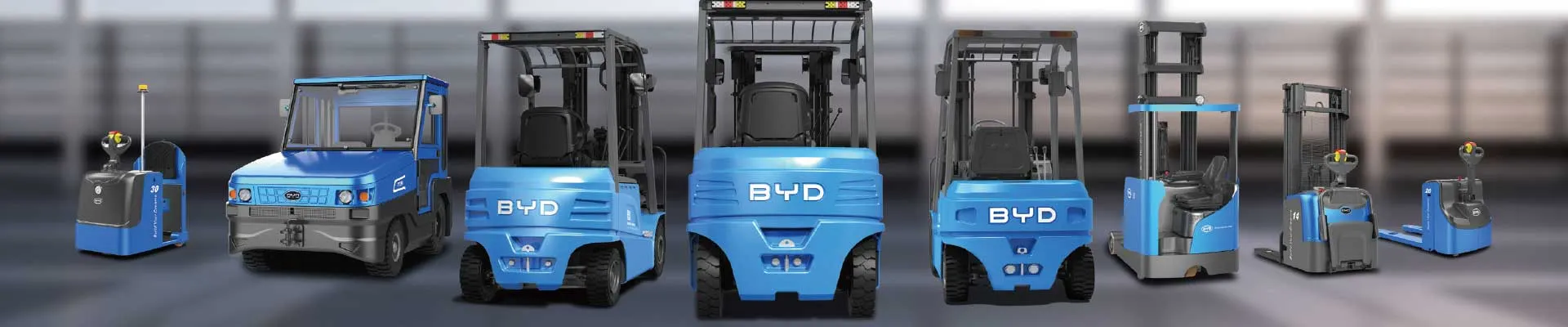
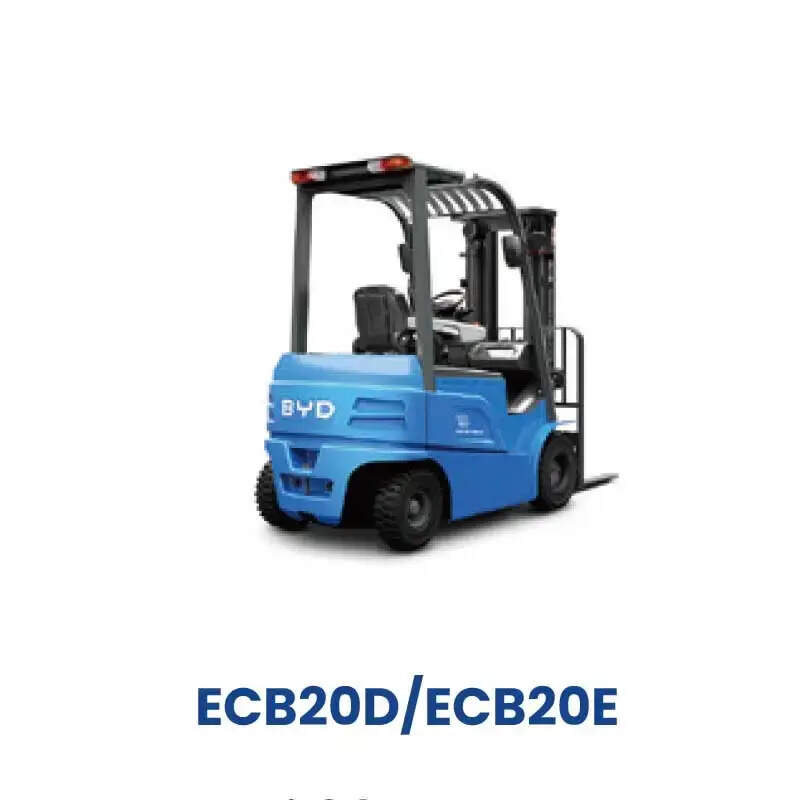
Electric forklifts have become one of the most widely used material handling equipment in modern warehouse, factory and distribution scenarios, thanks to their low noise, zero on-site emission and flexible maneuverability features. Mastering correct use and management methods can help enterprises give full play to the performance of such equipment and create higher practical value in daily operation.
Basic Operation Specification for Electric Forklifts
In the daily operation process, operators need to complete pre-use inspection before starting the equipment, including checking the remaining power status, the flexibility of lifting and steering components, and the integrity of safety warning accessories. During the moving process, operators should keep the field of vision unobstructed, adjust the driving speed according to the site road condition and personnel flow, and avoid sharp turning or sudden braking when the load is at a high lifting position. It is also not recommended to overload the equipment beyond the rated load range for a long time, so as not to cause additional wear to the load-bearing structure and affect the operation stability.
Routine Maintenance Points for Long-term Stable Use
Reasonable daily maintenance can effectively extend the service life of electric forklifts and reduce the frequency of unexpected failures. For the power system, users should follow the official guidance to complete the charging operation, avoid long-term full power storage or complete power loss state, and regularly clean the dust and sundries accumulated on the surface of the battery pack to ensure good heat dissipation effect. For the transmission and walking components, regular lubrication and fastening inspection should be arranged according to the use frequency, and the worn parts should be replaced in time when abnormal noise or resistance increase is found during daily check.
Safety Management Suggestions for Application Scenarios
Enterprises should set up special operation access mechanism for electric forklift posts, and complete regular safety skill training for relevant personnel on a regular basis. The working channel for forklift passing in the warehouse should be kept unobstructed, and obvious warning signs should be set up at the intersection, turning area and pedestrian crossing position. Operators should also adjust the operation mode according to different working conditions, such as reducing driving speed properly in the narrow stacking area, and confirm the surrounding environment before lifting or lowering the goods, to avoid collision with surrounding facilities or nearby personnel.


