
 简体中文
简体中文 Русский
 Français
 Português
 Español
 لالعربية
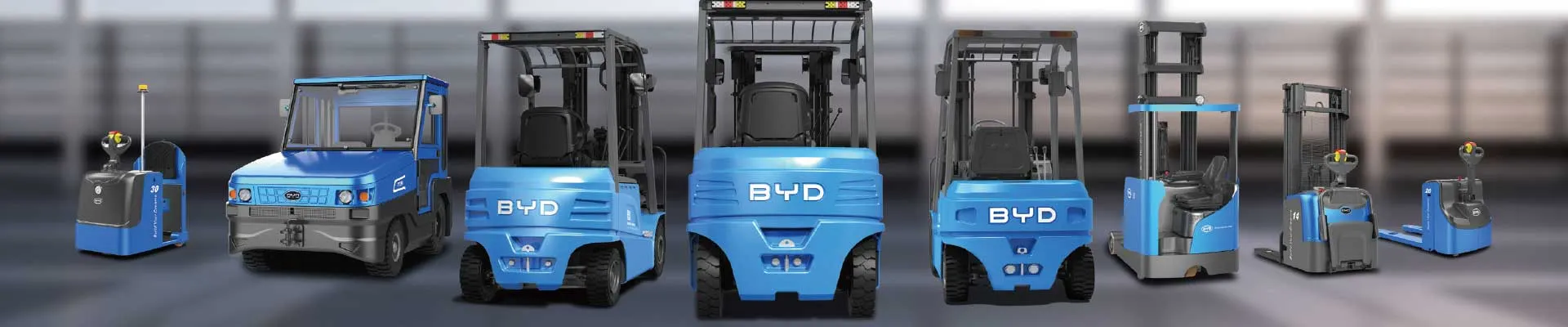
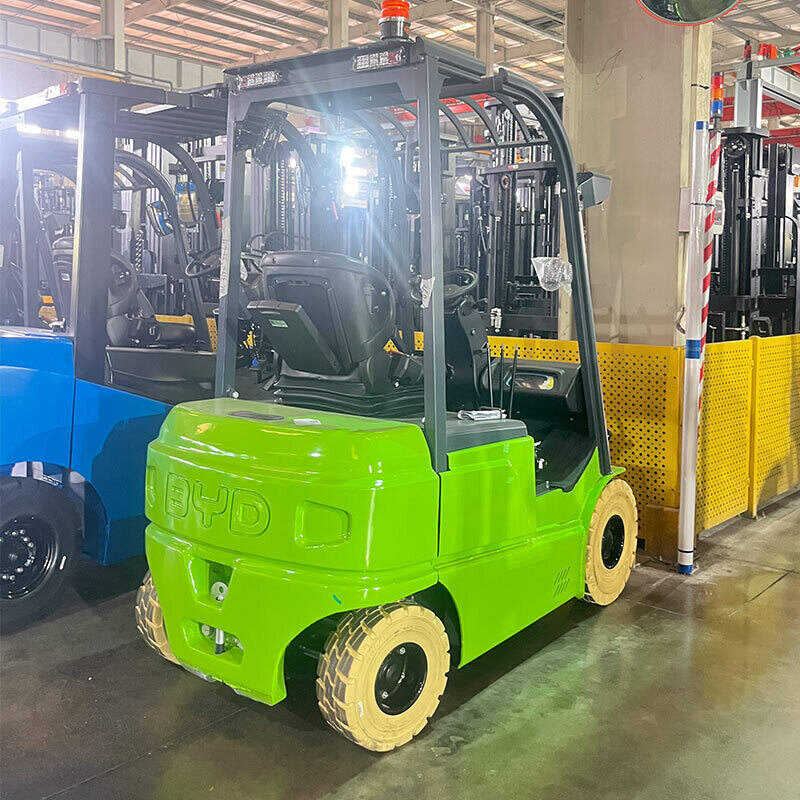
As low-carbon logistics development accelerates globally, electric forklifts have become a mainstream choice for indoor and outdoor material handling scenarios, with their zero local emission, low noise and flexible operation features. Many new operators and warehouse management teams lack systematic cognition of correct usage and daily care, which may lead to shortened service life and hidden safety risks. The following content sorts out practical core knowledge for daily use of electric forklifts.
Core Safe Operation Specifications for Electric Forklifts
Before starting any operation, operators need to complete pre-shift inspection work, including checking the battery power level, brake sensitivity, steering flexibility and fork surface integrity. It is not allowed to carry overloaded goods beyond the rated load range, and the center of gravity of the loaded goods should be kept as close to the fork root as possible to avoid tilting during lifting. When driving in narrow warehouse passages, operators need to control the running speed below the specified limit, and pay attention to surrounding staff and stacked goods at all times to avoid collision risks. For operation in rainy outdoor scenarios, it is necessary to avoid wading through water deeper than the specified height of the chassis, to prevent damage to the internal electrical components.
Scientific Routine Maintenance Strategy
Daily maintenance work can effectively extend the overall service life of electric forklifts, and reduce unexpected failure rates in high-frequency working scenarios. After each shift, operators need to wipe the dust and debris on the body surface, and check whether the electrode joints of the battery are loose or corroded. For lithium-ion or lead-acid batteries used in different models, it is necessary to follow the corresponding charging specification requirements, avoid long-term over-discharge or over-charging status, and arrange full charge regularly according to the actual usage frequency. The lubrication points of the transmission and steering system should be added with professional lubricating oil on a regular basis, and the wear degree of the tire tread should be checked every week, replace the severely worn tires in time to ensure driving stability.
Practical Methods to Improve Operating Efficiency
To give full play to the performance advantages of electric forklifts, the management team can plan the material handling route in advance according to the layout of the warehouse, reduce unnecessary turning and empty driving time. When arranging work shifts, reasonably allocate the charging time of idle forklifts according to the peak and valley electricity price rules, which can effectively reduce the overall operating cost. Regularly organize operators to carry out skill training, so that they can master the correct operation posture of lifting and unloading goods, which can not only reduce the damage rate of pallet goods, but also improve the turnover efficiency of the whole logistics link.


