
 简体中文
简体中文 Русский
 Français
 Português
 Español
 لالعربية
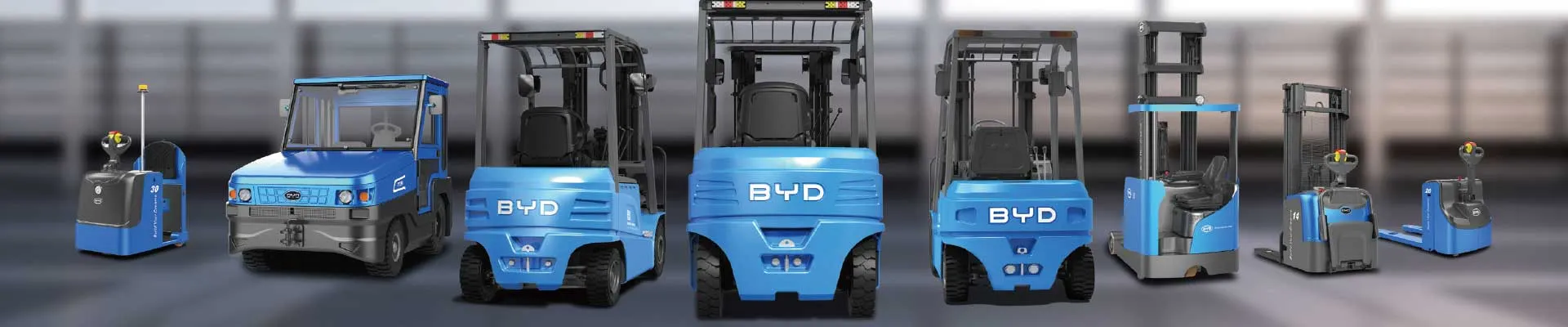
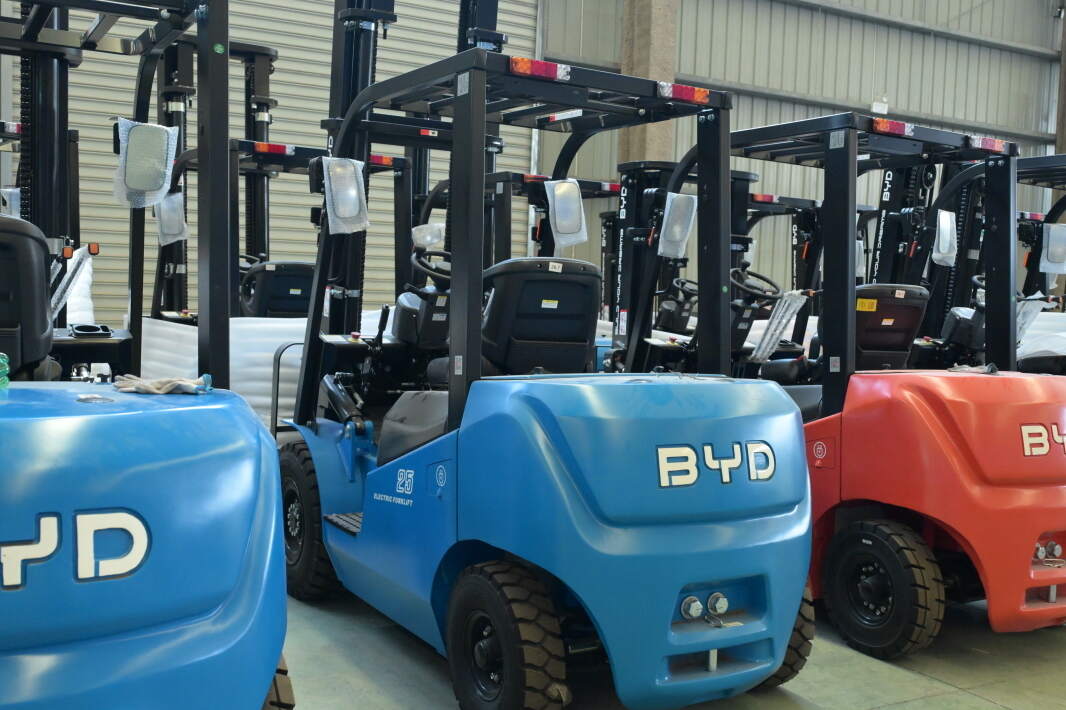
Against the general trend of low-carbon industrial development, electric forklifts have been widely applied in scenarios ranging from ordinary warehouse storage to manufacturing line material distribution, thanks to their low noise, zero local emission and relatively low long-term operating cost. Mastering standard operation rules and scientific daily maintenance methods can help operators give full play to the performance of the equipment, avoid unnecessary faults, and create higher value for daily material handling work.
Core Pre-operation Check Protocols
Before each start of the electric forklift, operators need to complete a series of standardized check procedures to eliminate hidden risks in advance. First, verify the flexibility of the braking system, the sensitivity of the operation handle, and the wear degree of the driving wheels to ensure no abnormal deformation or damage of the load components. Second, confirm the remaining power level of the power unit, and clear the scattered sundries around the operation area to avoid obstacles that may cause the vehicle to slip or stall during driving. All operators should receive formal systematic training in advance, fully understand the load bearing curve parameters of the corresponding model, avoid overloading operation beyond the rated load, keep a stable speed when starting, turning and braking, and slow down to remind surrounding staff when passing through narrow channel areas.
Scientific Battery Care and Energy Management Practices
The power battery is the core component that supports the normal operation of electric forklifts, and standardized daily care can effectively extend its service cycle. Operators should avoid overcharging or deep over-discharging the battery on a daily basis, place the equipment in a well-ventilated and dry special charging area during charging, and do not cover the battery shell with flammable sundries that may block heat dissipation. It is recommended to regularly check whether the wiring terminals of the battery have oxidation or poor contact phenomena. If the equipment needs to be idle for a long time, the battery power should be maintained at a reasonable interval, and supplementary charging should be carried out every 10 to 15 days to avoid the performance attenuation caused by long-term power loss.
Post-operation Preservation and Basic Fault Troubleshooting
After each operation task is completed, operators need to park the electric forklift in the designated parking area, lower the forks completely to fit the ground, pull the hand brake tightly, and turn off the main power supply of the whole vehicle in sequence. It is also necessary to clean up the residual cargo debris and dust attached to the surface of the vehicle in time to prevent the tiny foreign matters from entering the gap of the transmission mechanism and causing abnormal wear. The professional maintenance team can regularly carry out lubrication and wear inspection for the hydraulic lifting system, driving chain and steering mechanism. Once abnormal noise, unresponsive braking or other abnormal conditions are found in the use process, the operator should stop the operation in time, contact professional technical personnel for troubleshooting, and do not disassemble the core components without authorization.
Scenario-based Operation Efficiency Optimization
For different special operation scenarios, the use strategy of electric forklifts can be adjusted appropriately to achieve better performance. For example, in low-temperature cold storage operation scenarios, it is necessary to pay attention to the cold protection treatment of the power unit in accordance with the equipment specifications, and appropriately control the continuous high-load operation time. For the high-frequency operation mode in large-scale logistics distribution centers, the driving route can be planned reasonably to reduce the number of frequent sharp turns and emergency stops, which can further reduce the loss of vulnerable parts and maintain the stable operation state of the equipment for a long time.


