
 简体中文
简体中文 Русский
 Français
 Português
 Español
 لالعربية
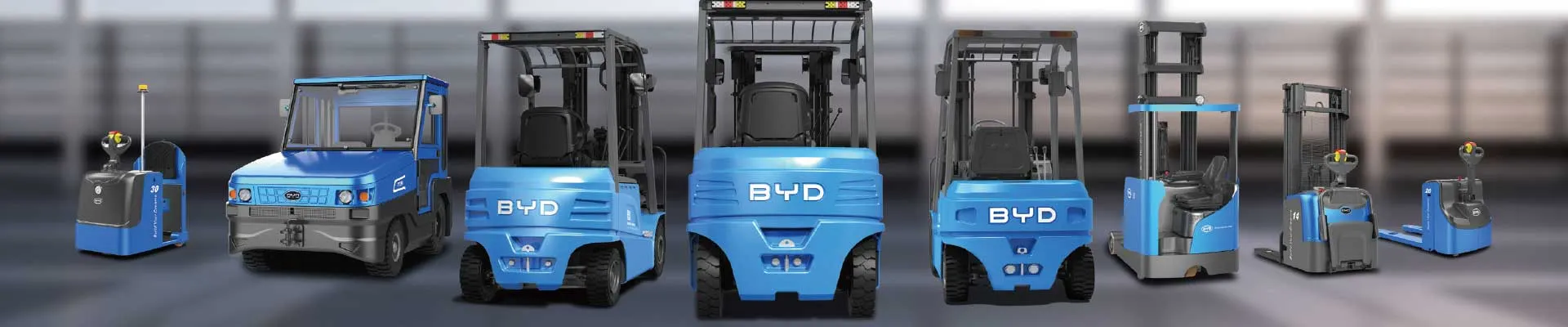
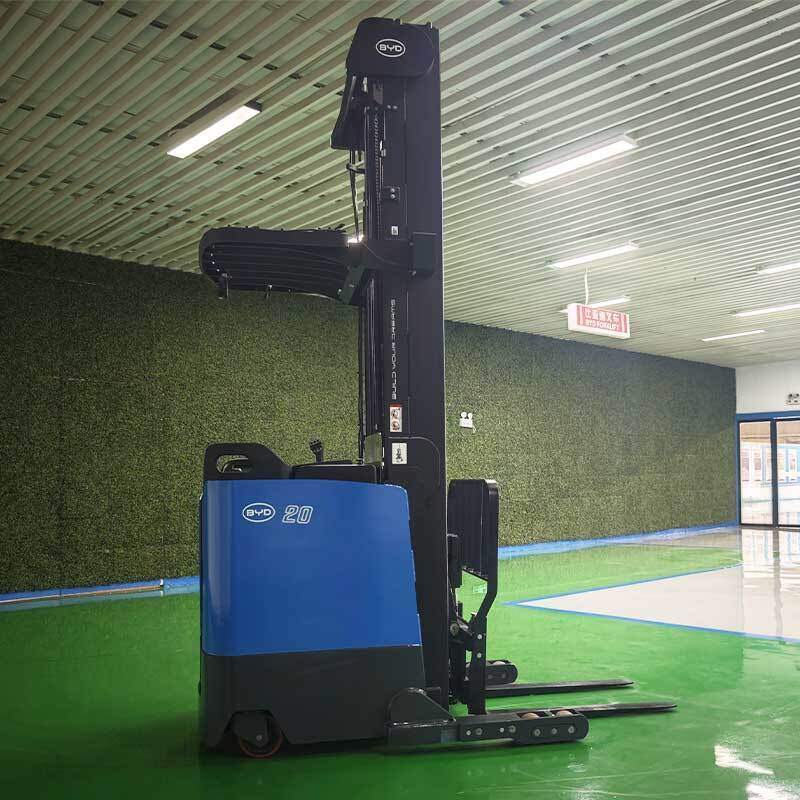
With the continuous popularization of low-carbon logistics and intelligent warehouse construction, electric forklifts have become one of the most widely used material handling equipment in manufacturing, retail distribution and cold chain scenarios. Mastering standardized use and maintenance methods can help enterprises give full play to the equipment’s advantages of low noise, zero local emissions and flexible operation.
Core Pre-operation Inspection Protocols
Before each startup, operators need to check the remaining power level of the power system, confirm that the tire pressure is within the reasonable range marked by the equipment manual, and inspect the normal flexibility of the lifting and tilting hydraulic components. Operators also need to test the sensitivity of the braking system and warning horn under no-load state, and remove sundries stacked on the operation channel in advance to avoid potential collision risks. It is also necessary to confirm that the load limit label on the vehicle body is intact, so as to prevent overloading behavior that may cause damage to the load bearing structure.
Standard Daily Operation Norms
During the operation process, operators should keep the driving speed matching the actual road condition of the working area, avoid sudden acceleration and sudden braking when carrying heavy loads, and keep the lifting height of the forks as low as possible during moving to reduce the center of gravity of the whole vehicle. When stacking goods at high positions, operators should adjust the fork distance according to the size of the pallet to ensure uniform stress of the goods, and no personnel are allowed to stand under the lifting gantry to avoid safety accidents. For narrow channel scenarios, operators should adjust their operation posture slowly, and use auxiliary lighting facilities when working in low visibility environments.
Routine Maintenance Suggestions
After finishing daily work, operators should park the vehicle in the designated charging area, turn off the power switch completely, and clean the dust and sundries attached to the vehicle body surface and heat dissipation components. The power system should be charged in strict accordance with the specified process, and overcharging or long-term power loss storage should be avoided, which can extend the cycle life of the energy storage components. Regularly check the wear degree of the transmission parts and lubricate the corresponding positions according to the maintenance cycle specified in the manual, so as to reduce the abnormal loss of components caused by long-term friction.
Operational Efficiency Optimization Tips
Enterprises can arrange the operation routes of electric forklifts according to the layout of the storage area, reasonably distribute the handling tasks of different vehicles according to the peak time of goods in and out of the warehouse, reduce the unnecessary empty driving distance, and further improve the overall turnover efficiency of material handling. Regularly organize operators to participate in professional skill training, help them master the operation skills of different working conditions, and make full use of the use value of electric forklift equipment.


