简体中文
 Русский
 Français
 Português
 Español
 لالعربية

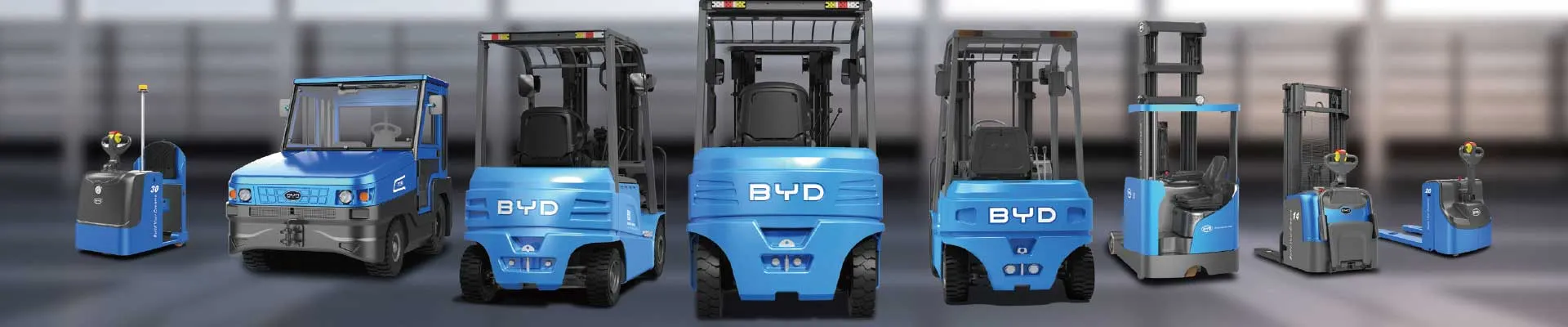
As the core port and logistics hub of Senegal, Dakar has witnessed continuous growth of demand for on-site material handling in recent years, covering scenarios including port cargo transshipment, urban warehouse distribution, manufacturing plant internal logistics and freight station loading and unloading. A large number of local enterprises will take both initial procurement input and long-term running cost into full consideration when selecting suitable three-wheel forklift products for narrow-space operation scenarios.
The first major component of three-wheel forklift running costs in Dakar is daily energy consumption cost. The local fuel price keeps fluctuating in recent years, which pushes up the daily operation expenditure of traditional internal combustion three-wheel forklifts evidently. In contrast, the commercial industrial electricity price in Dakar maintains relatively stable operation trend, and users who arrange charging during off-peak electricity periods can further cut the per-hour energy cost to a quite reasonable level. For enterprises that arrange forklifts to work for 6 to 8 hours per working day, the energy cost gap between electric three-wheel forklifts and internal combustion products will become quite considerable after 12 months of continuous operation.
The second key part of running cost comes from daily maintenance and upkeep. The structure of standard electric three-wheel forklifts does not contain complex internal combustion related components such as fuel supply system, exhaust treatment unit and traditional transmission assembly. The number of wearing parts that need to be replaced on a regular basis is greatly reduced, and there is no need to carry out frequent maintenance operations including engine oil replacement, full set of filter element update and carbon accumulation cleaning. Annual maintenance cost of qualified electric three-wheel forklifts can be controlled at a relatively low level, which also saves extra manpower input for related maintenance work.
There are also implicit running cost items that are easy to be ignored by local Dakar enterprises. A large number of urban operation scenarios have put forward clear requirements for exhaust emission and operation noise of handling equipment. Electric three-wheel forklifts produce zero tail gas emission and low operation noise, which can meet the local environmental protection management rules without applying for extra emission-related qualification, and avoid additional penalty or rectification cost caused by non-compliance.
If you calculate the total input of full life cycle for 3 to 5 years, qualified new energy three-wheel forklifts show considerable comprehensive cost advantage for most local operation scenarios. We are Jian Shu New Energy, focusing on BYD electric forklifts, and we can provide targeted cost accounting schemes and related local supporting services for customers in Dakar. If you need to get more detailed information, please send emails to [email protected] for consultation.