简体中文
 Русский
 Français
 Português
 Español
 لالعربية

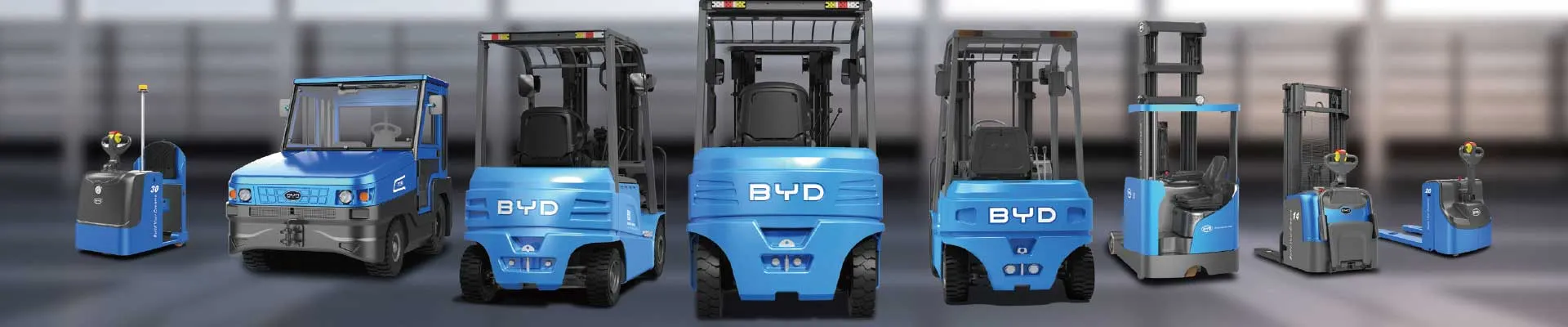
Lomé, as the core port city and economic hub of Togo, has seen steady growth in demand for high-capacity material handling equipment in recent years, across port freight, large industrial warehouses, bulk cargo distribution and manufacturing production scenarios. More and more local operators begin to pay attention to the actual running cost of high-capacity electric forklifts, as they adjust their equipment structure to adapt to low-carbon development trends and long-term operation optimization.
The first core part of running costs comes from energy consumption. For high-capacity electric forklifts applied in Lomé’s daily medium and high intensity operation scenarios, the power consumption per working hour stays at a relatively stable level, combined with the local industrial electricity price level, the hourly energy cost is far lower than the fuel cost of traditional internal combustion forklifts of the same load level. For operators who run forklifts for 6 to 8 hours a day, the monthly energy expenditure can maintain a predictable and controllable range, avoiding the fluctuation risk brought by changes in international fuel prices.
The second major expenditure link is daily maintenance cost. High-capacity electric forklifts do not have complex internal combustion power systems, which eliminates the need for regular engine oil replacement, fuel filter replacement, oil circuit system maintenance, carbon deposition cleaning and other routine operations required for internal combustion equipment. The daily maintenance work only focuses on power system inspection, walking part lubrication and working state confirmation of safety components, which reduces the annual maintenance labor cost and spare parts cost significantly compared with traditional fuel forklifts.
There are also implicit running costs that are easy to be ignored by operators. High-capacity electric forklifts produce zero exhaust emission during operation, which meets local environmental protection management requirements, and enterprises do not need to pay additional related compliance costs. The low-noise operation feature also improves the working environment of on-site operators, reduces the investment demand for additional ventilation facilities in closed warehouse operation scenarios, and brings additional hidden cost savings for the enterprise.
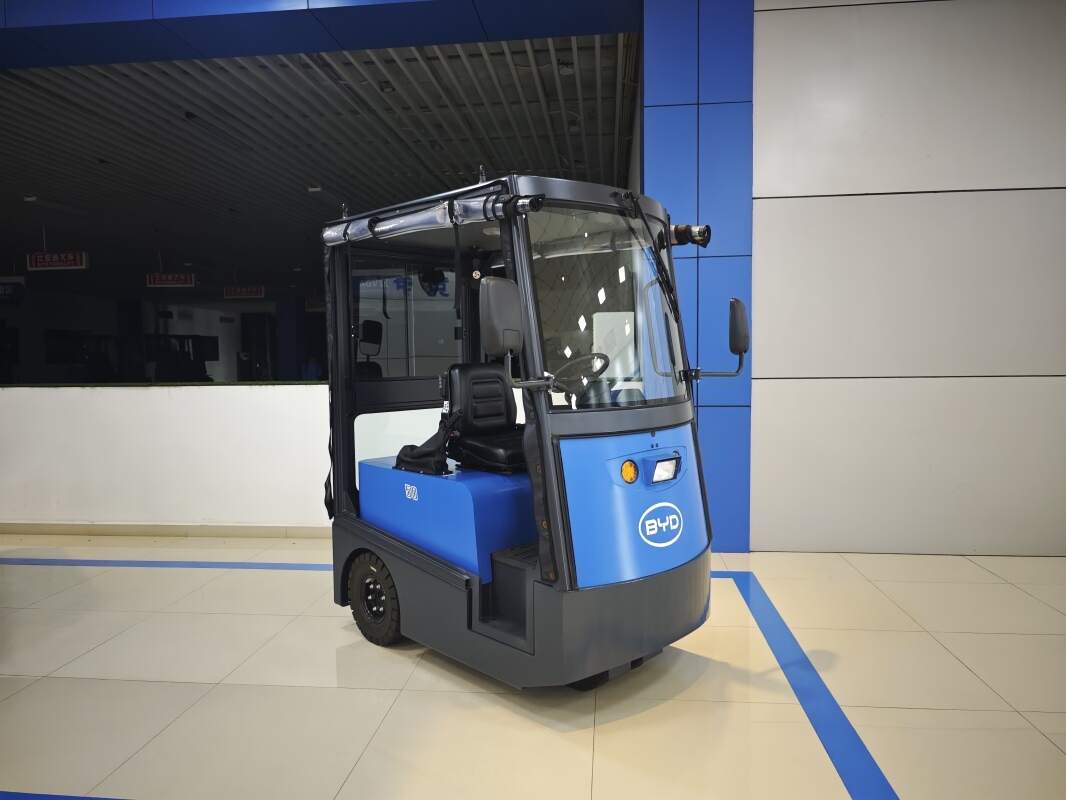
For enterprises that use high-capacity forklifts for a long time, the total cost of ownership of electric forklifts will show more obvious advantages after 2 to 3 years of stable operation. We are Jianshu New Energy, focusing on BYD electric forklifts, we can provide targeted running cost calculation schemes for local users in Lomé according to their actual operation intensity and site conditions. For more information, please send an email to [email protected].