简体中文
 Русский
 Français
 Português
 Español
 لالعربية

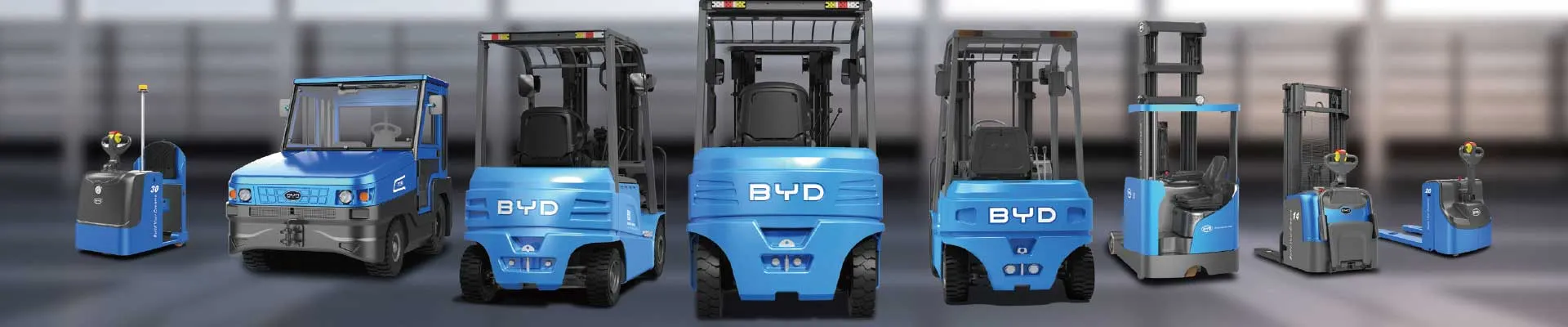
In recent years, with the steady growth of e-commerce, port logistics and manufacturing in Tunis, the demand for efficient and environment-friendly material handling equipment in local warehouses and distribution centers has been rising continuously. Electric stackers, as one of the core new energy handling equipment, are favored by more and more enterprise operators, and the running cost of such equipment has become the core reference indicator for users when making procurement decisions.
First of all, the energy consumption cost of electric stackers shows obvious stability and cost performance advantage in local operation. Different from internal combustion handling equipment which is affected by the fluctuation of global oil price, the energy consumption of electric stackers only depends on the local stable electricity price in Tunis. Under the same full-load operation condition, the power consumption of electric stackers per working hour is far lower than the fuel cost consumed by traditional internal combustion equipment, and there is no extra cost of fuel transportation and storage, which can help local logistics and manufacturing enterprises control the daily operation budget more stably in the long term.
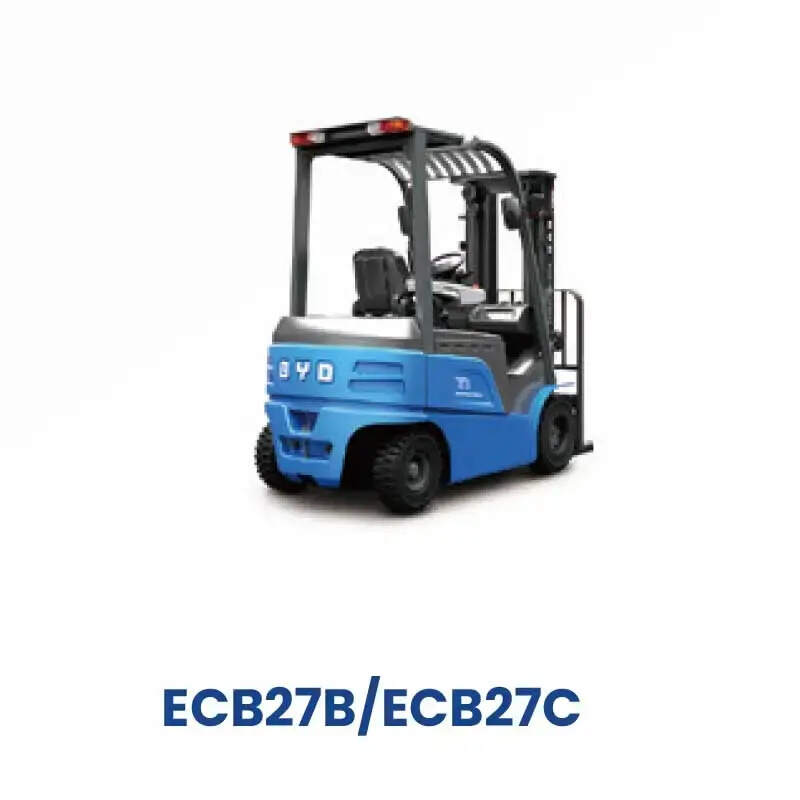
Secondly, the daily maintenance cost of electric stackers is much lower than that of traditional fuel equipment. Electric stackers do not have complex internal combustion power structures, so there is no need to carry out regular operations such as engine oil replacement, filter element replacement and fuel pipeline maintenance that are required for internal combustion equipment. The daily maintenance work only includes routine inspection of battery status, wear of walking wheels, flexibility of braking system and lifting structure, which greatly reduces the annual maintenance labor cost and spare parts cost, and also effectively shortens the downtime of equipment caused by maintenance, bringing more continuous operation benefits for the enterprise.
In addition, the implicit running cost advantage of electric stackers is also very prominent for users operating in Tunis. Local environmental protection regulations have put forward clear emission requirements for operation equipment in urban core areas and closed warehouses. Zero-emission electric stackers do not need to pay extra compliance fees related to exhaust emission, and the low operating noise will not affect the working environment of surrounding employees, no need to install additional noise reduction auxiliary facilities. Many local users feedback that the long-term comprehensive running cost of electric stackers can be controlled at a very reasonable level after 2 to 3 years of stable operation.
We are Jian Shu New Energy, focusing on BYD electric forklifts. If you need customized running cost calculation and equipment selection suggestions combined with your actual operation conditions, please contact us via [email protected].